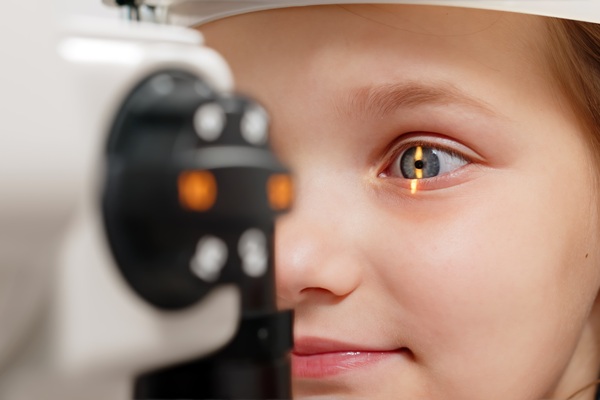
A regular pediatric eye exam is a good way to ensure your child’s healthy eyesight. Some eye conditions do not exhibit symptoms at all. Starting early with eye checks helps in the early detection and treatment of possible eye disorders. If you want to know when your child should start to have a pediatric eye exam, here are the details.
The need for early eye exams
Pediatricians perform general eye examinations as early as birth. Babies also have simple eye exams during the first three years of life. Pediatricians can spot abnormalities in eye alignment, eye structures, and the pupil’s light reflex. Most eye doctors recommend bringing in children as young as one year of age for eye checks.
A visit before entering kindergarten will help ensure a good start in learning. The pediatric eye exam must happen again at about five or six years old. Eye checks in school-aged kids should happen at least every couple of years for those who do not need eye correction. Children who have early eye problems and those who have a family history of eye issues must have annual eye exams.
Scheduling the pediatric eye exam
Some parents find it difficult to bring their children to any type of doctor. That is why setting an eye health appointment must happen when the child is happy and alert. The particulars of the eye check depend on the child’s age. A general pediatric eye exam involves vision testing, case history taking, and eye alignment checking. This is also time to determine if the child needs prescription eyeglasses.
Eye exams for infants
The ability of babies to perceive depth, focus, and distinguish colors is often complete by the age of six months. The eye doctor will check if the baby’s eyes are developing well. Pupil response tests will determine if the child’s pupils are open (dilate) or close (constrict) in the absence or presence of a light source. Preferential looking determines if the infant will be attracted to the striped pattern on one side of the card. The eye doctor can also use the fixate and follow test. This eye exam tests if the baby can fixate on an object and follow it when it moves.
Eye exams for preschoolers
Children do not need the alphabet to have eye exams. These tests can start and finish even if they are too shy to talk or too young. The random dot stereopsis test uses 3D glasses and got patterns to see how well the child’s eyes can function as one. Using LEA symbols is like using letter eye charts. Different shapes take the place of the letters. The symbols include circles, apples, and squares.
Retinoscopy is also an easy eye test for children. Here, the doctor will shine a light into the child’s eyes to see if there is a reflection at the retina (the back of the eye). This can spot any refractive error. It can also show if the child has clouding of the eye (a sign of congenital cataract).
Eye conditions to test for in preschoolers and school-aged kids
Astigmatism, nearsightedness, and farsightedness are common eye problems in children. A pediatric eye exam can spot more complicated eye issues. Eye misalignment or crossed eyes can result from many factors. These include muscle control in the child’s eye or eyes. This condition can also result in amblyopia or lazy eye. Amblyopia decreases the child’s vision without any obvious structural damage.
Studies show that a large percentage of learning needs good vision. A child with good visual abilities can excel in class. Children can suffer from color blindness, focusing problems, and poor depth perception. They can also develop convergence insufficiency. This eye problem can cause double vision and eye discomfort during reading.
Vision checks for school-aged children
The blurry view of a blackboard can be frustrating to a child. This often leads to poor performance in school. It can also cause erratic behavior in young children. Detecting eye problems during early schooling results in a smoother treatment. The progress of the treatments tends to be faster. The results go well with the development of the child’s visual system.
A regular pediatric eye exam can help a child perform better inside and outside the classroom
You can start your child’s eye checks as early as six months. Each pediatric eye exam will depend on your child’s age. Learning the alphabet is not even a requirement for it. Following your eye doctor’s recommended eye check schedule can help spot and treat eye disorders as early as possible. This can free your child of severe eye issues in the future.
Get more information about Texas Optical in Dallas at https://www.texasoptical.net.
Check out what others are saying about our services on Yelp: Optometry in Dallas, TX.
Recent Posts
Protecting vision in hazardous environments requires the use of specialized safety glasses to prevent injuries from flying debris, chemicals, or intense light. We offer a range of protective eyewear to ensure patients in Dallas maintain clear, safe vision across various environments. Whether working on a construction site or engaging in home improvement projects, selecting the…
Progressive lenses make it possible to see clearly at multiple distances without switching between pairs of glasses throughout the day. These lenses combine distance, intermediate, and near vision correction into one smooth design. An optometrist may recommend them when a patient needs glasses for reading, computer work, and driving all at the same time. Learning…
Seeking professional red eye treatment addresses the root cause of ocular irritation rather than merely masking symptoms with temporary, over-the-counter (OTC) solutions. While many people view a bloodshot appearance as a minor nuisance, redness in the eyes is often a primary signal of underlying health concerns. These issues range from simple environmental allergies to more…
Maintaining healthy eyes is an essential part of overall wellness. Therefore, scheduling regular optometry visits is an important step toward preserving clear, comfortable vision. These appointments do far more than determine whether a person needs glasses or contact lenses. They help assess both visual performance and the health of the internal and external eye structures.…