When To Get Dry Eye Treatment
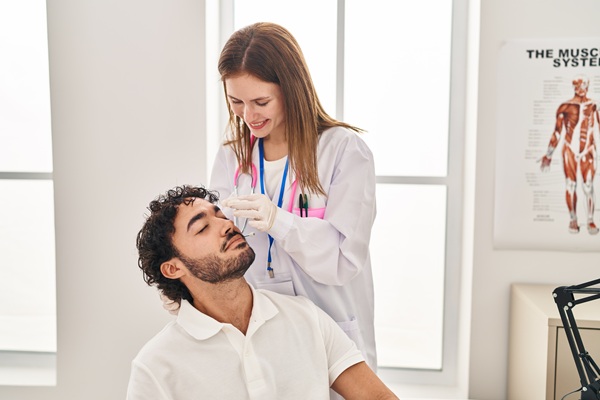
Dry eye treatment is important when occasional irritation becomes ongoing discomfort that interferes with daily activities. Many individuals experience dryness, burning, or a gritty feeling in the eyes from time to time. However, when symptoms start to affect reading, screen use, or time outdoors, a structured approach to diagnosis and care helps protect comfort and long-term eye health.
Recognizing common dry eye symptoms
The first step in deciding when to seek dry eye treatment is to understand the key symptoms. Many patients notice stinging, burning, or scratchy sensations that worsen throughout the day. Others describe a feeling that something is in the eye, even when nothing is present. Redness, sensitivity to light, and stringy mucus around the eyes also point toward dryness and irritation.
Paradoxically, dry eye sometimes leads to excessive tearing. When the surface of the eye becomes dry and unstable, it sends distress signals that trigger reflex tearing. These tears tend to be poor quality and do not provide lasting relief. Persistent tearing combined with dryness, blurred vision, or eye fatigue may indicate it is time to schedule an eye exam.
When lifestyle and environment are not enough
Mild dryness may improve with simple changes. Adjusting air conditioning or heating, taking regular breaks from digital screens, and using humidifiers in dry environments can reduce symptoms for some individuals. Wearing wraparound sunglasses outdoors and staying hydrated also provides support.
If discomfort continues despite these adjustments, professional dry eye treatment becomes more important. Ongoing symptoms may indicate problems with the quality or quantity of tears, eyelid inflammation, or underlying conditions such as meibomian gland dysfunction. An eye doctor can evaluate tear production, examine the eyelids and cornea, and identify factors that contribute to dryness.
Signs that an eye exam should not be delayed
Certain signs suggest that an eye exam for dry eye treatment should occur sooner rather than later. Blurred or fluctuating vision that interferes with reading, driving, or computer work deserves prompt attention. Pain, intense redness, or sensitivity to light can signal more advanced surface inflammation or even corneal damage.
Individuals who wear contact lenses and experience increased irritation, reduced wear time, or frequent lens intolerance also need evaluation. Dry eye may make contact lens wear unsafe or uncomfortable until the surface stabilizes. Early diagnosis allows the eye doctor to adjust lenses, recommend alternative options, or focus on improving tear film quality first.
Dry eye and overall health
Systemic health plays a major role in dry eye symptoms. Certain medications, including some antihistamines, antidepressants, and blood pressure drugs, may reduce tear production. Autoimmune conditions such as rheumatoid arthritis and Sjögren’s syndrome often affect the tear glands, causing significant dryness. Hormonal changes can also alter the tear film and lead to new or worsening symptoms.
When these factors are present, dry eye treatment should be part of an overall health plan. Collaboration between the eye doctor and primary care provider or specialist helps align medication choices and monitor side effects. In some cases, small adjustments in medication or additional supportive therapies can make a noticeable difference in eye comfort.
Treatment options an eye doctor may recommend
A personalized dry eye treatment plan usually combines several approaches. Common strategies may include:
- Lubricating eye drops or gels to supplement natural tears and improve comfort
- Warm compresses and lid hygiene routines to support healthy oil glands in the eyelids
- Prescription eye drops that increase tear production or reduce surface inflammation
In more advanced cases, the doctor may suggest punctal plugs to help tears stay on the eye longer or in-office procedures that clear blocked glands. Nutritional support, such as omega-3 fatty acids, may also be recommended in some situations. The specific plan depends on the cause of dryness, the severity of symptoms, and the demands of each patient’s daily routine.
When ongoing care is necessary
Dry eye often behaves as a chronic condition rather than a one-time issue. For this reason, dry eye treatment typically involves regular follow-up visits to track progress and adjust therapies. Many patients require ongoing use of artificial tears, lid care, and environmental modifications to maintain comfort. Regular eye exams allow the doctor to monitor the surface of the eye, measure tear film stability, and check for complications such as corneal staining or infection.
Taking the next step toward relief
Knowing when to seek dry eye treatment often comes down to recognizing that discomfort is no longer occasional or minor. When dryness, burning, tearing, or blurred vision begin to interfere with daily tasks, professional evaluation provides answers and relief. An eye care provider can identify the underlying causes, explain available options, and design a plan that fits personal needs and lifestyle. With timely care and consistent follow-through, many individuals experience meaningful improvement in comfort and visual quality. For more information or to schedule an appointment, call our office.
To schedule a consultation, please request an appointment on our website at https://www.texasoptical.net or call Texas Optical at (214) 771-7333 to arrange an appointment at our Dallas office.
Check out what others are saying about our services on Yelp: Read our Yelp reviews.
Recent Posts
The selection of eyewear feels significantly easier when the styles and craftsmanship of Versace eyewear enters the conversation, since bold lines and iconic detailing create an instantly recognizable look. Versace represents the intersection of Italian fashion and Greek mythos, blending confident glamour with symbolism through its signature Medusa logo. The brand is widely associated with…
Many people who work in construction or laboratories wear safety glasses to protect their eyes during the day. However, keeping your eyes safe extends beyond hazards in the workplace. There is a wide variety of household chores and hobbies for which you should wear eye protection. When used consistently, safety glasses help create a safer…
Transitions lenses combine style and convenience to support clear vision without switching between regular glasses and sunglasses. While they were often considered unfashionable in days past, times have certainly changed. Today, transition lenses can be fashionable, chic, and a reflection of your personal style. When designing a pair for you, an optometrist will look at…
Myopia control focuses on slowing the progression of nearsightedness, primarily in children and teens, to help protect long-term eye health and day-to-day vision. Myopia occurs when the eye grows too long or the cornea curves too steeply, which causes distant objects to appear blurry. As the prescription increases, the risk of future eye disease also…