Emergency eye care services are exactly what you need if you find yourself dealing with an eye infection or injury. Some eye problems that require immediate treatment — like a foreign object stuck in your eyes — are easy to spot, while others might not seem as obvious. Read on to find out which signs may indicate a need for emergency eye care.
Signs you may need emergency eye care
Let us take a look at some of the symptoms and signs that let you know emergency eye care may be needed:
- Debris stuck in an eye
- Trauma to an eye
- Scratches to an eye
- Loss of vision in one or both eyes
- Light flashes interfering with vision
- Irritated or itchy eyes
- Floaters in your vision
- Damaged or lost contact lenses or eyeglasses
Some of the more common eye emergencies optometrists often find themselves dealing with include:
1. Eye injuries
A poke or hit can easily damage a person’s eye. It can lead to issues like a scratched cornea, which comes with irritation, tearing, pain, and a sensation like something is stuck in the eye. If the eye is only irritated by the trauma, a saline solution can be used to clean it out.
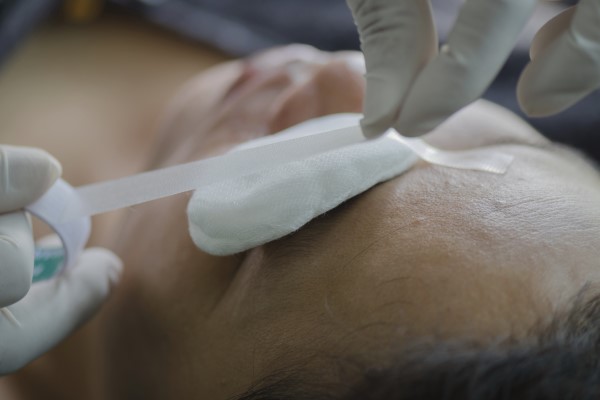
If the patient’s cornea has been scratched, the optometrist might treat it by prescribing antibiotics and protecting the eye with a patch. Patients with eye injuries should avoid rubbing them since that only aggravates the problem. Those who wear contacts should stop wearing them until their eye heals.
2. Black eye
A hard blow to the eye typically causes a black eye. It can often be resolved by applying a cold compress to the eye several times a day for a few days. If the injury comes with other symptoms like blood in the colored or white part of the eye, vision problems, or bleeding from the nose, emergency eye care is needed.
3. Debris stuck in the eye
Most people have had something stuck in their eye at some point in their life, and it usually does not require emergency care. Foreign objects in the eye can often be removed by flushing the eye with water or gently pulling on the upper eyelid and blinking so your tears wash it out. If all attempts to remove the object fail, it is time to seek emergency eye care.
4. Red or pink eye
Formally known as conjunctivitis, pink eye is one of the most common types of eye infections, and it requires immediate treatment. It often comes with symptoms like blurred vision, increased sensitivity to light, pain, and redness.
5. Floaters in your vision
Having specks in your eyesight is not necessarily a reason to seek urgent eye care since they are often temporary. However, floaters that suddenly appear in a person’s vision, especially after trauma to the eye, can signify retinal tearing or detachment. This requires immediate treatment to prevent permanent damage to the eye.
Get the eye care you need
Give us a call or stop by our Dallas clinic to set up an appointment with our optometrist if you find yourself dealing with an eye injury that requires immediate care.
Get more information here: https://www.texasoptical.net or call Texas Optical at (214) 771-7333
Check out what others are saying about our services on Yelp: Read our Yelp reviews.
Recent Posts
Protecting vision in hazardous environments requires the use of specialized safety glasses to prevent injuries from flying debris, chemicals, or intense light. We offer a range of protective eyewear to ensure patients in Dallas maintain clear, safe vision across various environments. Whether working on a construction site or engaging in home improvement projects, selecting the…
Progressive lenses make it possible to see clearly at multiple distances without switching between pairs of glasses throughout the day. These lenses combine distance, intermediate, and near vision correction into one smooth design. An optometrist may recommend them when a patient needs glasses for reading, computer work, and driving all at the same time. Learning…
Seeking professional red eye treatment addresses the root cause of ocular irritation rather than merely masking symptoms with temporary, over-the-counter (OTC) solutions. While many people view a bloodshot appearance as a minor nuisance, redness in the eyes is often a primary signal of underlying health concerns. These issues range from simple environmental allergies to more…
Maintaining healthy eyes is an essential part of overall wellness. Therefore, scheduling regular optometry visits is an important step toward preserving clear, comfortable vision. These appointments do far more than determine whether a person needs glasses or contact lenses. They help assess both visual performance and the health of the internal and external eye structures.…