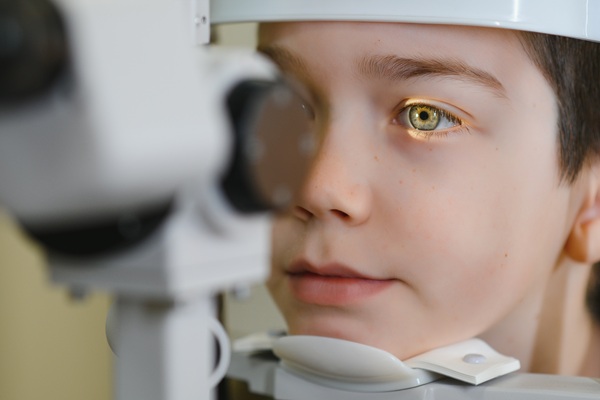
Pediatric eye care is the key to clear vision and confident learning that starts in childhood. Unfortunately, even minor vision problems can negatively affect reading, coordination, and classroom focus. Many parents come to realize how common it is for children to pass quick screenings yet struggle with focusing, eye strain, or fatigue during schoolwork. A professional eye exam and care from an optometrist can help protect vision development and reduce avoidable frustration.
Screenings vs. comprehensive eye exams
School or pediatrician screenings can identify children who need follow-up care from an optometrist. However, because these screenings focus on distance clarity and other limited checkpoints, they can easily miss subtle issues that affect reading comfort. Therefore, it is recommended to get a comprehensive eye examination from an optometrist, regardless of whether the child passes the screening. An optometrist can evaluate visual clarity, focusing ability, eye alignment, tracking skills, and eye health to confirm whether the eyes work together efficiently for distance and near tasks.
A comprehensive exam also looks for unequal prescriptions between the two eyes, which can be masked by normal behavior. Some children compensate with extra effort, then develop headaches or even avoid reading altogether. A detailed exam can connect symptoms to a specific visual skill, then guide the next steps. Pediatric eye care is more effective when the plan targets the underlying cause.
Common conditions pediatric eye care can address
Refractive errors are a common cause of vision impairment in patients of all ages. For children, nearsightedness (myopia) can make the classroom board appear blurry and can progress as they age. On the other hand, farsightedness (hyperopia) can cause eye strain when focusing on close-up tasks. This condition may contribute to fatigue during reading. Finally, astigmatism can blur vision at all distances and can affect crisp letter recognition.
Eye alignment problems can also influence comfort and performance. Strabismus (eye misalignment) can appear as an eye turn that becomes noticeable in photos or during concentration. Similarly, amblyopia (lazy eye) can develop when one eye provides a weaker image. In either case, pediatric eye care identifies these concerns early and supports healthy development with targeted treatment.
Ages that often guide pediatric eye care
Many families want a simple timeline, and age milestones can provide helpful structure. A baseline exam in infancy supports early detection of alignment concerns, prescription needs, or eye health issues that require monitoring. At about age three, when the child has better communication skills, an optometrist can perform an eye exam to assess visual development. Some parents prefer to wait until right before kindergarten or first grade for this exam, which helps support early literacy and classroom learning.
When a child should get their next eye exam depends on their vision, symptoms, and risk factors. Children who wear prescription glasses typically benefit from annual checks because their vision can change quickly as they grow. Others may do well with exams every one to two years, such as if they do not have any new symptoms and their screenings remain normal. Pediatric eye care is most effective when tailored to each child.
Signs a child may need an eye exam
Certain signs and symptoms may warrant an eye exam earlier than previously recommended. Behavior often provides the first clues because children tend to adapt rather than complain. Squinting, closing one eye, or tilting the head can suggest a vision imbalance or alignment concern. Holding books very close or sitting extremely near screens can signal blur at typical distances. Frequent eye rubbing or headaches after near work may indicate focusing strain, as well.
Academic clues may also appear, especially when a child avoids reading or frequently loses place on a page. Skipping lines, using a finger to track beyond expected age, or reversing letters can happen for many reasons, but vision problems are a common culprit. Trouble copying from a board, in particular, can signal a problem with distance-to-near transitions. Pediatric eye care helps determine whether vision problems contribute to learning stress and whether glasses, vision therapy, or other interventions are most appropriate.
Risk factors that make proactive care important
Some children benefit from frequent eye exams because certain factors increase the risk of vision concerns. A family history of strong prescriptions, eye turns, or lazy eye increases the risk for similar challenges. Premature birth can also influence eye development, so proactive monitoring often supports long-term eye health. Developmental delays and certain neurologic conditions can affect tracking and focusing skills, which makes early evaluation valuable.
Medical history can also guide timing. A diagnosis of diabetes or other systemic conditions may require regular eye monitoring as part of overall wellness care. In addition, eye injuries need careful follow-up, because vision changes can gradually develop after a traumatic injury.
Looking for pediatric eye care in Dallas?
Consistent pediatric eye care builds a clear plan that supports healthy vision through every stage of growth. With routine comprehensive exams, the optometrist can uncover focusing strain, eye-teaming problems, and recommend prescription glasses as needed. To learn more, contact our Dallas office today for an appointment.
Request an appointment here: https://www.texasoptical.net or call Texas Optical at (214) 771-7333 for an appointment in our Dallas office.
Check out what others are saying about our services on Yelp: Read our Yelp reviews.
Recent Posts
A contact lens exam addresses different questions than a standard eye exam. It evaluates the cornea, lids, and tear film, then matches lens materials and designs to vision needs and eye health. Lenses sit directly on the eye, so small details such as curvature, diameter, and oxygen flow influence comfort, clarity, and safety. An optometrist…
Standard vision tests, or eye exams, help ensure accurate prescriptions for glasses and support long-term eye health for people who wear corrective lenses. Even small prescription changes can affect headaches, screen comfort, and night driving clarity. Eye exams also screen for conditions that may not present with early symptoms, making routine testing an important habit.…
The selection of eyewear feels significantly easier when the styles and craftsmanship of Versace eyewear enters the conversation, since bold lines and iconic detailing create an instantly recognizable look. Versace represents the intersection of Italian fashion and Greek mythos, blending confident glamour with symbolism through its signature Medusa logo. The brand is widely associated with…
Many people who work in construction or laboratories wear safety glasses to protect their eyes during the day. However, keeping your eyes safe extends beyond hazards in the workplace. There is a wide variety of household chores and hobbies for which you should wear eye protection. When used consistently, safety glasses help create a safer…