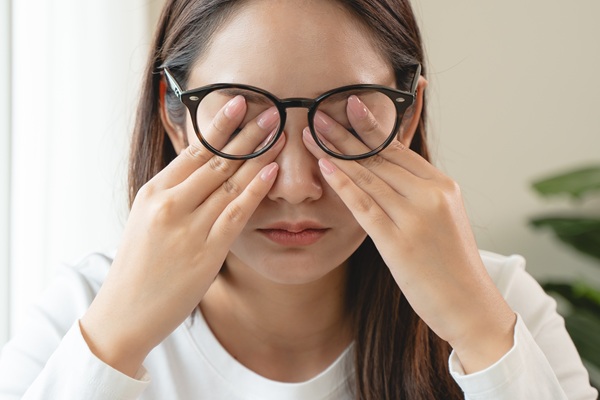
Itchy eyes can affect daily comfort and quality of life. Therefore, seeking the right itchy eye treatment can provide lasting relief and help avoid possible complications. It is helpful to understand what causes the issue and what to expect during an eye exam. Knowing the available treatment options can also make it easier to manage symptoms and maintain eye health.
Common causes of itchy eyes
Many people experience itchy eyes due to allergies such as pollen, dust, pet dander, and mold. When allergens come into contact with the eyes, they trigger the body to release histamines, resulting in symptoms such as itching, redness, swelling, and watery eyes. Eye allergies often occur in conjunction with nasal symptoms, such as sneezing and congestion.
Other causes of itchy eyes include dry eye syndrome, a condition in which the eyes do not produce enough tears or the tears evaporate too quickly. This condition can make the eyes feel scratchy, tired, and irritated. Also, certain skin conditions, such as eczema or rosacea, can lead to inflammation around the eyes. Infections like conjunctivitis may cause itching, especially in viral or allergic forms.
What happens during an eye exam?
An eye exam for itchy eyes will start with a conversation about symptoms, health history, and lifestyle. The optometrist may ask about the time of day when itching is worse, how long symptoms have been present, and whether both eyes are affected. This helps narrow down the possible causes.
During the next phase of the exam, the optometrist will use a slit lamp to examine the surface of the eyes and eyelids closely. This tool gives a clear view of the tear film, cornea, and conjunctiva. If needed, they may perform tests to measure tear production or collect samples to check for allergens or signs of infection. These steps can help confirm the diagnosis and guide itchy eye treatment.
Itchy eye treatment options
After identifying the cause of itchy eyes, treatment can commence. The optometrist may recommend over-the-counter or prescription antihistamines eye drops for allergy-related symptoms. These drops can help block the release of histamines, reducing itching, swelling, and redness. In some cases, mast cell stabilizers prevent future allergic reactions.
For dry eye problems, itchy eye treatment may include artificial tears, gels, or ointments to improve moisture. The optometrist may suggest avoiding fans or screens for long periods and using a humidifier to add moisture to the air. For more serious cases, prescription eye drops that reduce inflammation or increase tear production might be needed.
If an infection is causing itchy eye, antibiotic or antiviral medication will be necessary. Infections require careful handling to prevent spreading and protect vision. Patients may be advised to stop wearing contact lenses during this type of itchy eye treatment.
In some cases, changes in skin care or hygiene habits can support itchy eye treatment. Keeping the eyelids clean, removing makeup thoroughly, and avoiding contact with the eyes can help reduce the risk of irritation. For those with chronic conditions such as blepharitis, incorporating warm compresses and lid scrubs into the routine may be beneficial.
Tips to prevent itchy eyes
Avoiding triggers is a key step in managing itchy eyes, such as staying indoors during high pollen times, using air filters, and keeping windows closed. Wearing sunglasses outdoors can also help protect the eyes from airborne particles.
Keeping the eyes clean and hydrated can make a big difference. Take breaks when using screens and blink often to refresh the tear film. Drink plenty of water and avoid smoke or dry air when possible. If the patient wears contact lenses, ensure that they follow all care instructions and replace them as directed.
Good hygiene is also important. Hands should be washed before touching the face, and pillows or towels should be kept clean. Avoid sharing eye makeup, eye drops, or eye-related products with others to reduce the risk of infection.
When to see an optometrist
If itchy eyes persist for more than a few days or worsen, consult an optometrist. Eye pain, vision changes, swelling, or discharge may be signs of a more serious problem. Early care can prevent complications and lead to faster relief.
Find relief with professional itchy eye treatment
Understanding the causes and treatment options for itchy eyes can help you make informed choices. A proper itchy eye treatment plan can ease discomfort and protect long-term eye health. Schedule a visit with an optometrist to take the next step toward clearer, more comfortable vision.
Request an appointment here: https://www.texasoptical.net or call Texas Optical at (214) 771-7333 for an appointment in our Dallas office.
Check out what others are saying about our services on Yelp: Read our Yelp reviews.
Recent Posts
Have you noticed spots, threads, or cobweb-like shapes in your field of vision? A proactive approach to vision care right now is the most effective way to safeguard your long-term eye health and peace of mind. Floaters can be very irritating, but simple lifestyle choices and regular checkups make a massive difference. Here is what…
Glaucoma treatment can help protect vision, especially when started early. Glaucoma is a group of eye conditions that can damage the optic nerve, which carries visual information from the eye to the brain. Early glaucoma often develops without obvious symptoms; therefore, partnering with an optometrist through regular screenings can help detect changes before vision loss…
Protecting vision in hazardous environments requires the use of specialized safety glasses to prevent injuries from flying debris, chemicals, or intense light. We offer a range of protective eyewear to ensure patients in Dallas maintain clear, safe vision across various environments. Whether working on a construction site or engaging in home improvement projects, selecting the…
Progressive lenses make it possible to see clearly at multiple distances without switching between pairs of glasses throughout the day. These lenses combine distance, intermediate, and near vision correction into one smooth design. An optometrist may recommend them when a patient needs glasses for reading, computer work, and driving all at the same time. Learning…