What to Expect During a Diabetic Eye Exam and Why You Need It
For those living with diabetes, undergoing a diabetic eye exam is one of the most important steps in protecting their vision and overall eye health. High blood sugar levels can lead to a range of complications, including conditions that damage the eyes over time. These exams help detect these issues before they become serious, allowing for early treatment and better long-term outcomes.
What happens during a diabetic eye exam?
A diabetic eye exam thoroughly assesses the eyes' health for signs of diabetes-related complications. It typically begins with a discussion about overall health, including diabetes management and any recent changes in vision. This conversation helps determine any immediate concerns and guides the next steps of the evaluation.
One of the first tests an optometrist will perform is a visual acuity assessment, which checks how each eye clearly can see at different distances. This helps identify vision changes that may be related to diabetes or other factors. The optometrist may also include a refraction test to determine if an updated prescription for glasses or contact lenses is necessary.
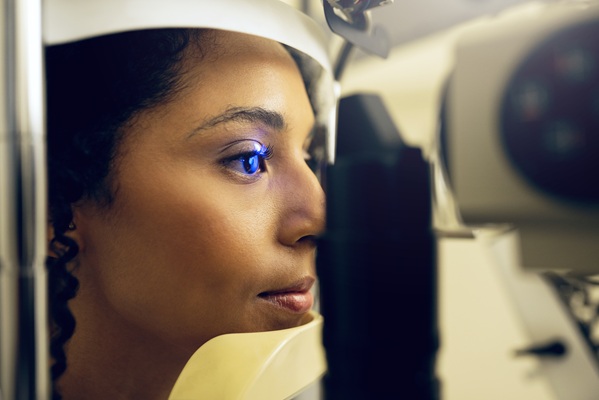
The optometrist examines the structure at the front of the eye using a slit lamp., a specialized microscope that provides a close-up view of the cornea, iris, and lens. This step helps identify any early signs of cataracts or other conditions that could impact vision over time.
How pupil dilation helps with early detection
One of the most important parts of a diabetic eye exam is pupil dilation. The optometrist will place special drops to widen the pupils, allowing for a more detailed view of the retina and optic nerve. This step is essential for detecting early signs of diabetic retinopathy, macular edema, and other conditions that may not be visible through standard testing.
Although the effects of pupil dilation are temporary, it is common to experience increased sensitivity to light and mild blurriness for a few hours after the exam. Bringing sunglasses can help reduce discomfort when leaving the appointment. While this process may seem inconvenient, it plays a vital role in identifying concerns before they cause significant vision loss.
What conditions can a diabetic eye exam detect?
A diabetic eye exam is especially useful in detecting diabetic retinopathy, a condition caused by damage to the small blood vessels in the retina. As this condition progresses, it can lead to vision impairment or blindness if left untreated. Early detection allows for timely intervention, helping to slow or prevent further damage.
Another common issue is diabetic macular edema, which occurs when fluid builds up in the macula, the part of the eye responsible for sharp central vision. This condition can make reading, driving, or recognizing faces difficult, but treatment options are available to manage it effectively.
People with diabetes are also at a higher risk of developing glaucoma, a condition that increases pressure inside the eye and can damage the optic nerve. Cataracts, another potential concern, cause clouding of the eye's lens. An optometrist can identify these conditions early to recommend appropriate treatments to protect long-term vision.
What happens after a diabetic eye exam?
Once the exam is complete, the optometrist will review the findings and discuss any necessary next steps. If early signs of a diabetic-related eye condition are present, they will recommend a personalized treatment plan. In some cases, this may include closer monitoring, medication, or laser treatments to prevent further progression.
For individuals who do not show signs of eye disease, the focus shifts to prevention and continued monitoring. Keeping blood sugar levels stable, following a balanced diet, and managing overall health are key factors in reducing the risk of developing vision problems in the future. Regular follow-up exams ensure that the optometrist detects any changes early and addresses them promptly.
The frequency of diabetic eye exams depends on individual health and risk factors. Nevertheless, according to the U.S. Department of Health and Human Services, many people with diabetes benefit from annual eye exams, while others with existing eye conditions may need more frequent visits. Regardless, the optometrist will develop a personalized plan based on how well the patient is caring for their diabetes, along with the help of their primary medical providers.
Take an active role in your eye health
A diabetic eye exam is a crucial step in maintaining long-term vision and preventing complications related to diabetes. By catching potential issues early, you can take proactive measures to protect their eyesight and overall well-being. If you have diabetes or prediabetes and are ready to take an active role in your eye health, contact Texas Optical and schedule an appointment.
Request an appointment here: https://www.texasoptical.net or call Texas Optical at (214) 771-7333 for an appointment in our Dallas office.
Check out what others are saying about our services on Yelp: Read our Yelp reviews.
Recent Posts
Protecting vision in hazardous environments requires the use of specialized safety glasses to prevent injuries from flying debris, chemicals, or intense light. We offer a range of protective eyewear to ensure patients in Dallas maintain clear, safe vision across various environments. Whether working on a construction site or engaging in home improvement projects, selecting the…
Progressive lenses make it possible to see clearly at multiple distances without switching between pairs of glasses throughout the day. These lenses combine distance, intermediate, and near vision correction into one smooth design. An optometrist may recommend them when a patient needs glasses for reading, computer work, and driving all at the same time. Learning…
Seeking professional red eye treatment addresses the root cause of ocular irritation rather than merely masking symptoms with temporary, over-the-counter (OTC) solutions. While many people view a bloodshot appearance as a minor nuisance, redness in the eyes is often a primary signal of underlying health concerns. These issues range from simple environmental allergies to more…
Maintaining healthy eyes is an essential part of overall wellness. Therefore, scheduling regular optometry visits is an important step toward preserving clear, comfortable vision. These appointments do far more than determine whether a person needs glasses or contact lenses. They help assess both visual performance and the health of the internal and external eye structures.…