What To Expect During a Comprehensive Vision Test
The eyes are lamps for the brain, so receiving regular vision tests is a good idea. Depending on the general health of your eyes and the rest of your body, you may need one of these comprehensive assessments once a year or every two years. They allow the optometrist to ensure each eye's internal and external health is in good standing, helping produce clear, quality images for your brain to interpret.
A complete breakdown of a comprehensive vision test
Preparing for a vision test
Aside from cleaning the face as normal, not much physical preparation is required for a vision test. However, we ask patients to bring or list current medications or supplements. Be sure to mention their dosage, reason for use, and frequency of use. Further, take note of personal and familial eye health and medical histories, primarily those found in parents and grandparents. Conditions can include diabetes, high blood pressure, cancer, total blindness, glaucoma, and cataracts.
Additionally, patients should bring current prescription eyewear, including the written prescription. The latter is only necessary if they have never visited our office before. Returning patients can call our office to be sure we have their most recent prescription on file. Finally, we encourage all patients to bring a pair of dark sunglasses to wear after the appointment, as the eyes may be sensitive if the optometrist uses a dilation solution.
During the vision test
A vision test is a blanket term. It encompasses a series of tests examining each portion of the eye's structure and function. While we ask patients to arrive at least 15 minutes before their appointment to complete the necessary paperwork, the actual timing of the vision test will span roughly 45 minutes. During the appointment, the optometrist and our team will perform the following:
Glaucoma testing
Note that testing for glaucoma is not necessary for every patient. For example, the optometrist may not find it necessary for children unless early cases are found in their familial history. Nevertheless, the optometrist can perform testing in two ways: a tonometer or a noncontact tonometer. A tonometer involves placing numbing drops in the eye so they can touch the front surface of each eye with a handheld tonometer to measure the pressure. A noncontact tonometer involves using a machine that releases a puff of air into each eye. The level of resistance the eyes give indicates the pressure inside them.
Muscle movement testing
Testing eye muscle movement and alignment involves the optometrist holding an object (e.g., a finger, pen, or ball) in front of the patient's face and slowly moving it in different directions.
Refraction testing
The optometrist performs a refraction test for those suspected of needing prescription lenses. The patient sits in front of a computerized refractor while a series of phoropters (lenses) move over the eyes, and the patient chooses the clearest options.
Retinal examination
The optometrist examines the retina's health, including its blood vessels, vitreous fluid, and the head of the optic nerve. If this test is necessary, the pupils are dilated.
Slit lamp
A slit lamp, or biomicroscope, is a device that magnifies the front portion—the cornea, iris, lens—and the back portion of the eye. They are primarily checking for abnormalities that indicate certain eye conditions.
Visual acuity testing
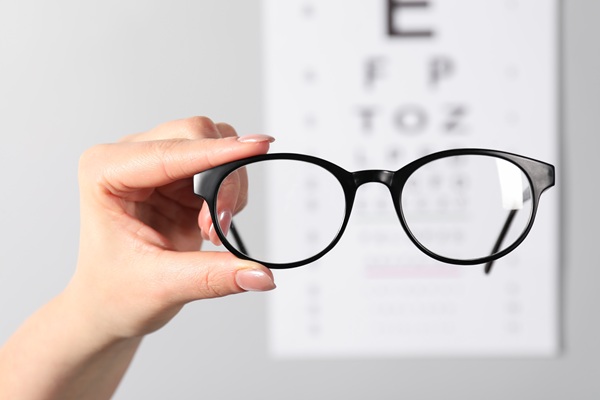
Patients will stand at a distance and read letters on a chart that gradually decrease in size. The optometrist may ask the patient to cover one eye at a time.
Visual field testing
Visual field refers to the range of vision a patient can see. Therefore, the optometrist will use an object to test the patient's peripheral (side) vision. It involves placing a pen or finger on either side of the patient's head and slowly moving forward or backward. The patient will indicate when they can see it and when they cannot.
After the vision test
Following all testing, the optometrist will review their findings with the patient, whether it be an eye condition or whether prescription lenses are necessary. If a condition can be corrected with a prescription eye drop or other medication, the optometrist will send the prescription to the pharmacy of the patient's choice.
For those needing corrective lenses, patients can choose their frames in our office, trying on however many they would like. We will then send the frames and prescription to an offsite lab for fabrication. We will do the same for patients who want contact lenses after choosing the desired texture. Patients will return to the office for pickup once we receive the prescription glasses or contacts.
Ensure you are seeing the details clearly
Regular vision tests are a powerful preventative tool to ensure you see clearly throughout each phase of your life. Do you need a vision test? Contact our office today to schedule one in the Dallas area.
Request an appointment here: https://www.texasoptical.net or call Texas Optical at (214) 771-7333 for an appointment in our Dallas office.
Check out what others are saying about our services on Yelp: Read our Yelp reviews.
Recent Posts
A contact lens exam addresses different questions than a standard eye exam. It evaluates the cornea, lids, and tear film, then matches lens materials and designs to vision needs and eye health. Lenses sit directly on the eye, so small details such as curvature, diameter, and oxygen flow influence comfort, clarity, and safety. An optometrist…
Standard vision tests, or eye exams, help ensure accurate prescriptions for glasses and support long-term eye health for people who wear corrective lenses. Even small prescription changes can affect headaches, screen comfort, and night driving clarity. Eye exams also screen for conditions that may not present with early symptoms, making routine testing an important habit.…
Pediatric eye care is the key to clear vision and confident learning that starts in childhood. Unfortunately, even minor vision problems can negatively affect reading, coordination, and classroom focus. Many parents come to realize how common it is for children to pass quick screenings yet struggle with focusing, eye strain, or fatigue during schoolwork. A…
The selection of eyewear feels significantly easier when the styles and craftsmanship of Versace eyewear enters the conversation, since bold lines and iconic detailing create an instantly recognizable look. Versace represents the intersection of Italian fashion and Greek mythos, blending confident glamour with symbolism through its signature Medusa logo. The brand is widely associated with…