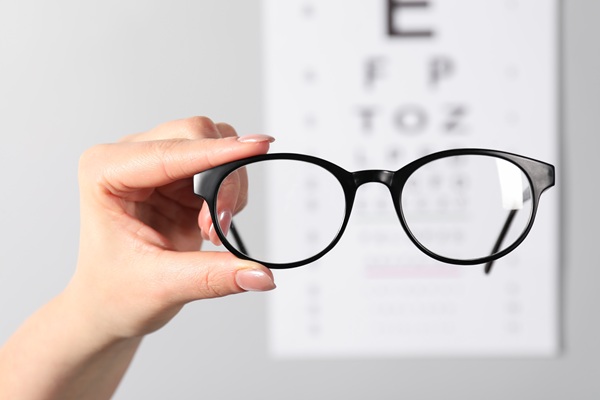
What Is Optometry?
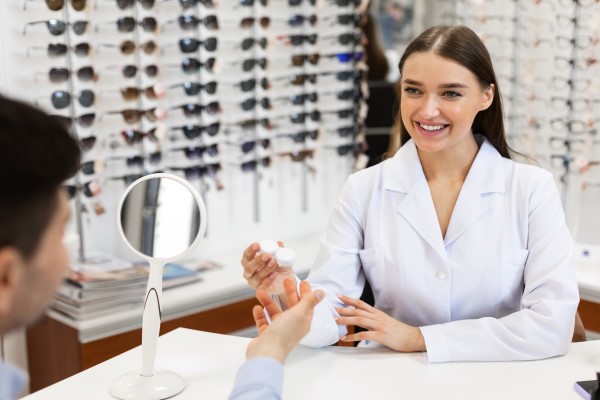
Doctors of optometry must complete a bachelor’s degree and undergo additional training in an optometry program. The training program lasts for four years. At the end of the optometry program, they receive a Doctor of Optometry degree. Then, optometrists can diagnose and treat various eye conditions. Learn more about optometrists.
An overview of optometry
An optometrist’s job is to manage people’s eye health. Optometrists examine the eyes to look for vision problems and eye diseases. Optometrists can treat vision problems with eyeglasses and contact lenses. These eye doctors can also treat some eye conditions. Optometrists can even work with ophthalmologists to provide pre- and post-operative care and offer referrals when necessary. Discover the various services that optometrists provide.
Vision checks
Patients go to optometrists to receive annual vision exams. Eye exams at an optometry are recommended even if patients can see without any issues. Eye doctors look for refractive errors and provide prescriptions for corrective lenses if needed. Optometrists also fit patients for contact lenses. Those who have astigmatism might require multiple fittings.
Exams to check for eye problems
Optometrists also conduct exams to check issues with the eyes. Issues include glaucoma, macular degeneration, diabetic eye disease and conjunctivitis. Optometrists run a series of tests to check for these problems. Optometrists also take the medical histories of the patients to determine the risk for problems such as diabetic eye disease.
Treat diseases
Many people do not realize that optometrists can also treat different eye diseases. Optometrists cannot provide surgery. However, these doctors can treat countless issues ranging from pink eye to glaucoma. Also, optometrists continue to examine the eyes during treatment to ensure it is working. This type of care protects the eyesight.
Provide pre- and post-operative care
Ophthalmologists offer eye surgeries for various issues. These include glaucoma and cataracts. Patients often receive pre- and post-operative care from optometrists, though. Optometrists work closely with ophthalmologists when patients undergo surgery.
Optometrists help patients prepare for the surgery. This includes explaining what to expect during and after the procedure. Then, optometrists evaluate patients after the surgery. If any post-operative issues arise, optometrists deal with them. Many patients prefer receiving pre- and post-operative care from optometrists since they already have relationships with their eye doctors.
Provide referrals
People who have eye conditions that require surgery can get referrals from an optometrist. The optometrist will begin by examining the eyes. After the condition is found, the optometrist can provide a list of referrals for ophthalmologists that treat the specific condition. This makes it much easier for patients to find eye surgeons that can help them.
Annual exams are critical to eye health
You should maintain annual appointments with your optometrist. Your eye doctor will check for refractive errors and problems with your eyes, such as glaucoma. Your eye doctor can treat some eye diseases and issues and provide pre- and post-operative care if you need eye surgery. These services allow you to maintain your vision and overall eye health.
Request an appointment here: https://www.texasoptical.net or call Texas Optical at (214) 771-7333 for an appointment in our Dallas office.
Check out what others are saying about our services on Yelp: Read our Yelp reviews.
Recent Posts
A contact lens exam addresses different questions than a standard eye exam. It evaluates the cornea, lids, and tear film, then matches lens materials and designs to vision needs and eye health. Lenses sit directly on the eye, so small details such as curvature, diameter, and oxygen flow influence comfort, clarity, and safety. An optometrist…
Standard vision tests, or eye exams, help ensure accurate prescriptions for glasses and support long-term eye health for people who wear corrective lenses. Even small prescription changes can affect headaches, screen comfort, and night driving clarity. Eye exams also screen for conditions that may not present with early symptoms, making routine testing an important habit.…
Pediatric eye care is the key to clear vision and confident learning that starts in childhood. Unfortunately, even minor vision problems can negatively affect reading, coordination, and classroom focus. Many parents come to realize how common it is for children to pass quick screenings yet struggle with focusing, eye strain, or fatigue during schoolwork. A…
The selection of eyewear feels significantly easier when the styles and craftsmanship of Versace eyewear enters the conversation, since bold lines and iconic detailing create an instantly recognizable look. Versace represents the intersection of Italian fashion and Greek mythos, blending confident glamour with symbolism through its signature Medusa logo. The brand is widely associated with…