Vision Care Facts and Myths: What Really Helps Your Eyes?
When it comes to vision care, there is an abundance of information available, but not all of it is accurate. With countless tips, remedies, and old wives' tales about eye health circulating, it can be challenging to separate fact from fiction. Proper vision care is essential for maintaining healthy eyes and preventing potential issues. Here are eight myths about vision care and the actual truth about each.
Myth: Eating Carrots is the Key to Perfect Vision
Fact: While carrots are indeed beneficial for eye health, they are not a magic solution for perfect vision. Carrots are rich in beta-carotene, which the body converts into vitamin A, a nutrient essential for maintaining good vision, especially in low-light conditions. However, a balanced diet with other nutrients like omega-3 fatty acids, vitamin C, and zinc is just as important for overall eye health. Green leafy vegetables, fatty fish, citrus fruits, and nuts should all be part of a vision-care-friendly diet.
Myth: Reading in Dim Light Damages Your Eyes
Fact: Reading in dim light does not cause permanent damage to your eyes, but it can lead to temporary discomfort or eye strain. This myth likely originated from the fatigue people experience when focusing on low-light conditions. Ensuring adequate lighting when reading or working can reduce eye strain and make the activity more comfortable, but it will not harm your vision long-term.
Myth: Wearing Glasses Weakens Your Eyes
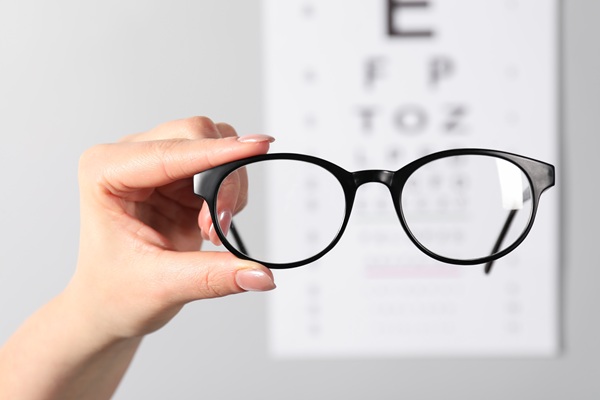
Fact: Many believe wearing glasses or contact lenses can cause dependency or weaken the eyes. This is entirely false. Glasses and contact lenses correct refractive errors, such as nearsightedness or farsightedness, and allow individuals to see clearly. They do not alter or weaken the eye's physical condition. In fact, neglecting to wear prescribed eyewear can lead to additional strain and discomfort, particularly when performing tasks that require sharp vision, such as reading or driving.
Myth: Staring at Screens for Too Long Causes Permanent Eye Damage
Fact: Prolonged screen time does not cause permanent damage to your eyes, but it can lead to a condition known as digital eye strain or computer vision syndrome. Symptoms of digital eye strain include dryness, discomfort, blurred vision, and headaches. Proper vision care while using screens involves the 20-20-20 rule: every 20 minutes, take a 20-second break to look at something 20 feet away. Additionally, adjusting screen brightness, increasing font size, and maintaining a proper viewing distance can help reduce eye strain.
Myth: Squinting Causes Permanent Vision Problems
Fact: Squinting is a natural response when trying to see something clearly, especially if you have an uncorrected refractive error. While squinting can temporarily strain the muscles around the eyes, it does not cause permanent damage or worsen your vision. If you find yourself squinting often, it may indicate the need for a comprehensive eye exam to determine whether corrective lenses are necessary.
Myth: Children Do Not Need Vision Care Until They Show Signs of Vision Problems
Fact: Regular eye exams are crucial for children without apparent vision problems. Early eye exams can detect issues like amblyopia (lazy eye), strabismus (misalignment of the eyes), or refractive errors that may not have noticeable symptoms. Pediatric vision care ensures that children’s eyes are developing properly and that potential issues are addressed early, improving their overall quality of life and academic performance.
Myth: UV Protection is Only Necessary in the Summer
Fact: Protecting your eyes from ultraviolet (UV) rays is essential year-round. UV exposure can lead to various eye conditions, including cataracts, macular degeneration, and photokeratitis (sunburn of the cornea). Snow, water, and other reflective surfaces can increase UV exposure, even on cloudy or winter days. Investing in sunglasses with 100% UV protection is a critical component of vision care that should not be overlooked, regardless of the season.
Myth: Eye Exercises Can Cure Vision Problems
Fact: While eye exercises may improve muscle strength or coordination, they cannot correct refractive errors like nearsightedness, farsightedness, or astigmatism. Vision therapy, a specialized program often prescribed by optometrists, may help with specific issues such as eye alignment or focusing problems. However, for most vision problems, corrective lenses or surgical options like LASIK remain the most effective solutions.
Consult an optometrist today
Understanding the facts and myths about vision care is essential for making informed decisions about eye health. While some myths, like those about carrots or reading in dim light, may seem harmless, they can lead to neglecting critical aspects of vision care. By staying informed and proactive, individuals can protect their vision and enjoy clear sight for years to come. For more information, schedule a consultation visit today at Texas Optical.
Check out what others are saying about our services on Yelp: Read our Yelp reviews.
Recent Posts
A contact lens exam addresses different questions than a standard eye exam. It evaluates the cornea, lids, and tear film, then matches lens materials and designs to vision needs and eye health. Lenses sit directly on the eye, so small details such as curvature, diameter, and oxygen flow influence comfort, clarity, and safety. An optometrist…
Standard vision tests, or eye exams, help ensure accurate prescriptions for glasses and support long-term eye health for people who wear corrective lenses. Even small prescription changes can affect headaches, screen comfort, and night driving clarity. Eye exams also screen for conditions that may not present with early symptoms, making routine testing an important habit.…
Pediatric eye care is the key to clear vision and confident learning that starts in childhood. Unfortunately, even minor vision problems can negatively affect reading, coordination, and classroom focus. Many parents come to realize how common it is for children to pass quick screenings yet struggle with focusing, eye strain, or fatigue during schoolwork. A…
The selection of eyewear feels significantly easier when the styles and craftsmanship of Versace eyewear enters the conversation, since bold lines and iconic detailing create an instantly recognizable look. Versace represents the intersection of Italian fashion and Greek mythos, blending confident glamour with symbolism through its signature Medusa logo. The brand is widely associated with…