The Process of Getting Contact Lenses From Your Optometrist

Considering contact lenses? Read on to learn more about how to get them from an optometrist. Many people who need vision correction choose to wear contact lenses because they can be more convenient and they are virtually invisible. This article walks you through each step, from the first meeting to the last fitting, so you know what to expect.
What is the process for getting contact lenses from an optometrist?
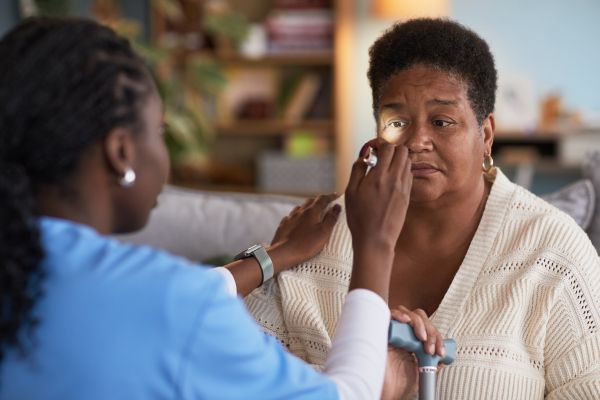
The journey starts with an appointment with the eye doctor. During the visit, the optometrist will talk with the patient to learn about their specific vision and lifestyle needs. This conversation is very important to find the best type of contact lenses for the patient, taking into account things like their daily routines, where they work, and any preferences or concerns they may have about correcting their vision.
Careful examination of the eyes
Following the first conversation, the optometrist will do a full eye exam. This step checks the patient's vision and the health of their eyes as a whole. Since contact lenses sit right on the eye, the exam is important to make sure there are no health problems that could make using them harder. The eye doctor will look for problems with the eyes, like dry eye syndrome or irregularities on the corneal surface, that could affect which contact lenses are best for the patient.
Putting in contact lenses
If the eye doctor thinks the patient is a good candidate for contact lenses, they will set up a personalized fitting session. During the process, they will measure the eyes to get the right lens diameter and curve. This process of fitting the lenses makes sure that they are comfortable and correct one’s vision properly. The eye doctor will carefully choose lenses that are right for each patient's eye shape and prescription.
Different kinds of contact lenses
The optometrist will help patients understand the different kinds of contact lenses out there, such as soft lenses, rigid gas-permeable lenses, daily disposables, extended-wear lenses, and multifocal lenses. Each type has its benefits and needs a different kind of care. The patient's lifestyle, how well they can see, and the health of their eyes are some of the factors that affect the decision.
Getting used to contacts
Many optometrists give patients a free pair of trial contact lenses. During this time, patients can get used to putting in and taking out their lenses and taking care of them. It also lets them see how well the lenses work and how comfortable they are in everyday life. During this stage, it is very important to keep up with follow-up appointments. The optometrist can check the fit and make any necessary adjustments at these appointments.
How to take care of your lenses
Contact lens wearers should take care of and clean their lenses to keep their eyes healthy and avoid getting infections. The eye doctor will show the patient how to properly clean, disinfect, and store the lenses. Patients will also learn how important it is to keep their hands clean and what can go wrong if they do not take care of their contact lenses properly.
Why routines follow-up visits are important
After getting used to contact lenses, patients need to keep seeing their optometrist for checkups. These checkups are important because they let the optometrist keep a close eye on their health. Contact lenses can hurt the eyes in many ways, such as changing tear production and causing infection or irritation. During these visits, the optometrist can find and treat these problems early, which prevents them from getting worse.
Making a well-informed choice
Before getting contact lenses, patients should think about the pros and cons. In addition to providing a wider field of view, they do not get foggy in bad weather and give wearers more freedom for sports and physical activities. Many patients also like the cosmetic benefits, since contact lenses do not change their appearance like glasses do.
Of course, these benefits come with some duties when it comes to keeping the eyes healthy. To avoid infections like bacterial keratitis, it is important to take care of the lenses properly by cleaning and storing them as directed. Also, people who wear contact lenses need to commit to regular eye exams. These exams are necessary for getting the right lens prescription and keeping track of their eyes' overall health. Over time, conditions like corneal abrasions or dry eyes caused by contact lenses can get worse. Getting regular check-ups can help find and treat these problems early on.
The bottom line
You can correct your vision with contact lenses, which are easy to use and work well, but they need careful care and maintenance. Patients can get the most out of wearing contact lenses and keep their eyes healthy at the same time by following their optometrist's advice and scheduling regular eye exams.
Get more information here: https://www.texasoptical.net or call Texas Optical at (214) 771-7333
Check out what others are saying about our services on Yelp: Contact Lenses in Dallas, TX.
Recent Posts
Optometrist examinations include a careful evaluation of the back of the eye, as this area provides valuable information about vision, eye health, and overall wellness. While many people expect an eye exam to focus only on vision correction, a comprehensive evaluation often extends far beyond determining a prescription for glasses or contact lenses. Examining the…
Emergency eye care helps protect vision when sudden symptoms, injuries, or infections require prompt evaluation from an eye care professional. Some eye problems may seem minor at first, but changes in vision, pain, swelling, or trauma can indicate conditions that require same-day attention. Knowing when to seek urgent help can help you receive the immediate…
Have you noticed spots, threads, or cobweb-like shapes in your field of vision? A proactive approach to vision care right now is the most effective way to safeguard your long-term eye health and peace of mind. Floaters can be very irritating, but simple lifestyle choices and regular checkups make a massive difference. Here is what…
Glaucoma treatment can help protect vision, especially when started early. Glaucoma is a group of eye conditions that can damage the optic nerve, which carries visual information from the eye to the brain. Early glaucoma often develops without obvious symptoms; therefore, partnering with an optometrist through regular screenings can help detect changes before vision loss…