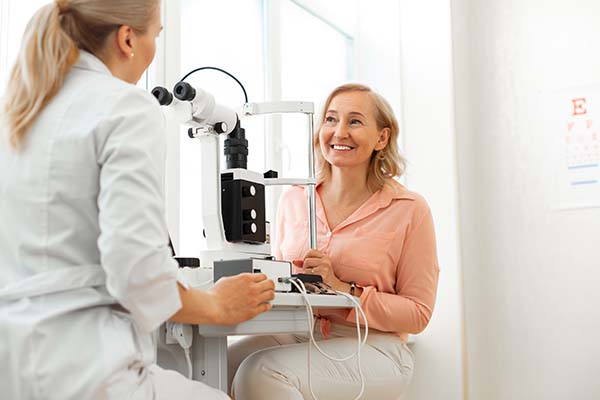
Regular optometrist or eye doctor visits are essential for maintaining good eye health and ensuring optimal vision. While many people may only think of seeing an optometrist when they experience vision problems, routine check-ups with an optometrist are crucial for detecting and managing various eye conditions and protecting overall eye health.
Reasons to visit the optometrist
Early detection of eye conditions
Optometrists can detect eye conditions that take time to form and implement an appropriate treatment plan to manage and potentially prevent further deterioration. Many serious eye diseases often have no noticeable symptoms in their early stages, such as glaucoma, cataracts, and age-related macular degeneration. However, if left untreated, these conditions can cause irreparable damage to the eyes and lead to vision loss.
Prescription updates
For those wearing prescription eyeglasses or contact lenses, routine visits to an optometrist are crucial for ensuring accurate prescriptions. Over time, one's eyes can change refractive status, and eyeglasses or contact lens prescriptions may need to be adjusted periodically. Failing to update prescriptions can result in worsening vision problems such as eye strain, headaches, and blurred vision.
Prevention of eye strain
In today's digitally-driven world, many spend significant amounts of time staring at screens, whether computers, smartphones, or tablets. Prolonged screen use can lead to eye strain, dry eyes, and other symptoms collectively known as computer vision syndrome or digital eye strain. An optometrist can provide valuable advice on managing and preventing eye strain, including recommendations for proper screen ergonomics, frequent breaks, and specialized eyewear designed for computer use.
Chronic condition management
Those with chronic health conditions, such as diabetes or hypertension, have an increased risk of developing eye-related complications. Regular visits to an optometrist allow for ongoing monitoring and management of these conditions and their potential impact on the eyes. An optometrist can detect early signs of diabetic retinopathy, hypertensive retinopathy, and other eye complications associated with systematic diseases.
Children's eye health
Optometrist visits are not only important for adults, but they are a key part of children's overall health as well. Children may not always be aware of vision problems or may not communicate them effectively. Optometrists can conduct comprehensive eye exams to assess children's visual acuity, eye tracking, focusing abilities, and eye coordination. An optometrist can help children reach their full potential academically and at home by detecting eye problems early and ensuring their needs are met for successful learning development.
Overall eye health evaluation
In addition to assessing visual acuity and prescribing corrective measures, an optometrist also evaluates overall eye health during routine eye exams. They examine the structures of the eyes, including the cornea, iris, lenses, and retinas, to check for signs of abnormalities, infections, or diseases. An optometrist can also detect and manage common eye conditions, such as dry eye, allergies, and conjunctivitis. By receiving regular comprehensive eye exams, individuals can ensure their eyes are in good health and receive prompt treatment if any issues arise.
What to expect during a routine eye exam
Routine eye exams are quick and painless. Before the actual examination begins, the optometrist will typically review the patient's medical history and any current symptoms they may be experiencing. They will ask questions about the patient's general health, medications they are taking, and any previous eye conditions or injuries. This information will help the optometrist understand each patient's unique circumstances.
One of the most common and fundamental tests during an eye exam is the visual acuity test. This test measures the clarity of one's vision at different distances. Patients will be asked to read letters or numbers from a standardized eye chart. The optometrist will assess their ability to see both up-close and distant objects.
If the optometrist determines a patient needs eyeglasses or contact lenses, they will conduct a refraction assessment to determine the precise prescription to optimize their vision acuity. Patients will look through a device called a phoropter, which contains different lenses. Patients will be asked to identify the most clear lens to help fine-tune their prescription.
Depending on one's specific needs or symptoms they may be experiencing, the optometrist may perform additional testing. These tests may include:
- Color vision test. Assessing one's ability to differentiate between different colors
- Visual field test. Evaluating the peripheral vision to detect possible vision loss
- Tonometry. Measuring the pressure in the eyes to screen for glaucoma
- Evaluation of binocular vision. Assessing how well both eyes work together in-depth perception and focusing
- Tear film evaluation. Examining the quantity and quality of tears to diagnose dry eye syndrome
Once the examination is complete, the optometrist will review their findings, make lifestyle recommendations, provide prescriptions, and schedule one's next routine eye exam.
Is it time for your eye exam?
Scheduling an appointment with an optometrist ensures you are proactive in your overall health and preserving your vision. If you are ready for an eye exam or have more questions regarding eye health, contact us today.
Request an appointment here: https://www.texasoptical.net or call Texas Optical at (214) 771-7333 for an appointment in our Dallas office.
Check out what others are saying about our services on Yelp: Read our Yelp reviews.
Recent Posts
Emergency eye care helps protect vision when sudden symptoms, injuries, or infections require prompt evaluation from an eye care professional. Some eye problems may seem minor at first, but changes in vision, pain, swelling, or trauma can indicate conditions that require same-day attention. Knowing when to seek urgent help can help you receive the immediate…
Have you noticed spots, threads, or cobweb-like shapes in your field of vision? A proactive approach to vision care right now is the most effective way to safeguard your long-term eye health and peace of mind. Floaters can be very irritating, but simple lifestyle choices and regular checkups make a massive difference. Here is what…
Glaucoma treatment can help protect vision, especially when started early. Glaucoma is a group of eye conditions that can damage the optic nerve, which carries visual information from the eye to the brain. Early glaucoma often develops without obvious symptoms; therefore, partnering with an optometrist through regular screenings can help detect changes before vision loss…
Protecting vision in hazardous environments requires the use of specialized safety glasses to prevent injuries from flying debris, chemicals, or intense light. We offer a range of protective eyewear to ensure patients in Dallas maintain clear, safe vision across various environments. Whether working on a construction site or engaging in home improvement projects, selecting the…