Seeing an Optometrist for Eye Floaters [Quick Guide]
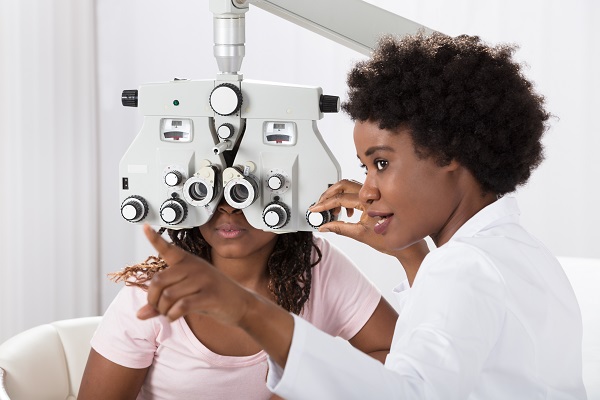
Wondering why you should make an appointment with an optometrist? An optometrist is an eye professional who examines, diagnoses, manages and treats any problems someone has with their visual system. They are considered to be your primary health care eye professional, which means any time you are experiencing problems with your eyes, they are the first professional you should call.
What are eye floaters?
Want to know if an optometrist can treat eye floaters? Yes, they can. According to the Mayo Clinic, eye floaters are spots in your vision that may look like black or gray specks, strings or cobwebs that drift about when you move your eyes and appear to dart away when you try to look at them directly. This particular eye condition is often caused by changes that occur in someone as they age. While they can indicate a serious problem, they are often considered harmless.
A quick guide
The information below is a quick guide on the topic of seeing an optometrist to address a case of eye floaters.
Causes and risk factors of eye floaters
While one’s age is one of the more common causes of having eye floaters, there are additional causes. These additional causes include but are not limited to experiencing any bleeding in the eye, any inflammation located in the back of the eye, having a torn retina, taking certain eye medications and undergoing certain eye surgeries. Risk factors include being over the age of 50, being nearsighted, experiencing some type of eye trauma, experiencing eye inflammation problems and experiencing complications from cataract surgery.
How optometrists diagnose eye floaters
In order to provide their patients with a proper diagnosis, an optometrist will dilate both pupils using special eye drops and then perform a thorough examination of the entire eye. This involves their looking closely at the retina and the vitreous under bright lights, allowing them to actually see if any eye floaters are present. If any eye floaters are indeed found, then the optometrist will make a treatment plan for the patient to address their specific case of eye floaters.
Treatment options
When it comes to treating someone who has been diagnosed with eye floaters, it will depend on each individual patient's particular situation. Some who are diagnosed will not require treatment, while others will need to undergo treatment as they either have too many floaters or very large floaters. Current treatment options for patients that are in need of treatment include laser therapy and surgery.
When it is necessary to make an optometry appointment
While anyone who has eye floaters should make an appointment with an optometrist in order to receive a proper diagnosis and potential treatment, there are some signs that may require someone to make an appointment as soon as possible. These signs include seeing a number of new eye floaters in a short amount of time, also seeing flashes of light and experiencing any darkness in one’s peripheral vision.
Are you in need of a diagnosis?
Are you ready to make an appointment with an optometrist to find out more about the spots in your vision? If you think that you have eye floaters and are in need of a diagnosis so you can get the treatment you need, we invite you to contact us now so we can get you scheduled in for your first appointment. During this appointment, you will be thoroughly examined and are welcome to ask any questions you have.
Are you considering using an optometrist in the Dallas area? Get more information at https://www.texasoptical.net.
Check out what others are saying about our services on Yelp: Read our Yelp reviews.
Recent Posts
A contact lens exam addresses different questions than a standard eye exam. It evaluates the cornea, lids, and tear film, then matches lens materials and designs to vision needs and eye health. Lenses sit directly on the eye, so small details such as curvature, diameter, and oxygen flow influence comfort, clarity, and safety. An optometrist…
Standard vision tests, or eye exams, help ensure accurate prescriptions for glasses and support long-term eye health for people who wear corrective lenses. Even small prescription changes can affect headaches, screen comfort, and night driving clarity. Eye exams also screen for conditions that may not present with early symptoms, making routine testing an important habit.…
Pediatric eye care is the key to clear vision and confident learning that starts in childhood. Unfortunately, even minor vision problems can negatively affect reading, coordination, and classroom focus. Many parents come to realize how common it is for children to pass quick screenings yet struggle with focusing, eye strain, or fatigue during schoolwork. A…
The selection of eyewear feels significantly easier when the styles and craftsmanship of Versace eyewear enters the conversation, since bold lines and iconic detailing create an instantly recognizable look. Versace represents the intersection of Italian fashion and Greek mythos, blending confident glamour with symbolism through its signature Medusa logo. The brand is widely associated with…