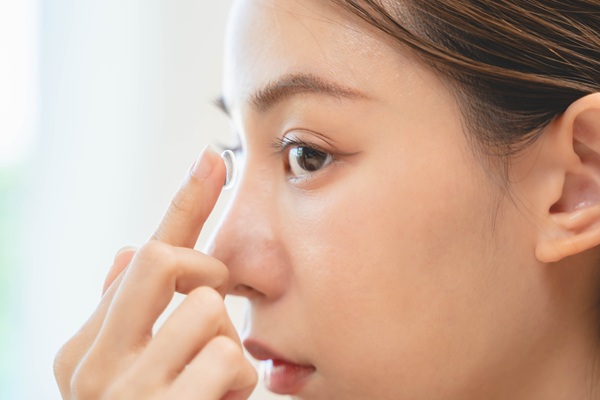
Contact lenses provide clear vision and convenience for individuals who prefer an alternative to eyeglasses. However, proper care and maintenance are essential to prevent infections, irritation, and eye damage. Neglecting hygiene practices can lead to serious eye conditions, including corneal ulcers and keratitis. Understanding how to clean, store, and handle contact lenses ensures long-term eye health and comfort.
Cleaning and disinfecting contact lenses
Keeping contact lenses clean is crucial to preventing bacterial buildup and eye infections. The type of cleaning regimen a patient should follow will depend on the type of contact lens. A multipurpose solution can clean, rinse, and disinfect soft disposable lenses. Rigid gas permeable (RGP) lenses require a separate cleaning and conditioning solution for effective disinfection.
To clean lenses properly, rub them gently with the fingertips for at least 10 seconds on each side before rinsing with fresh solution. Avoid using tap water, as it may contain harmful microorganisms that can cause infections.
Proper storage and lens case hygiene
Correctly storing contact lenses is just as important as cleaning them. A clean and dry lens case prevents contamination and extends the lifespan of the lenses. Lens cases should be rinsed daily with fresh contact lens solution and allowed to air dry. Replacing the case every one to three months helps reduce the risk of bacterial growth.
Always ensure lenses are fully submerged in solution when placing lenses in the case. Failing to do so can cause the lenses to dry out and become uncomfortable or damaged.
Avoiding water and contact lenses
When wearing contact lenses, water exposure should be avoided, as it can introduce bacteria and other harmful microorganisms into the eyes. Activities like swimming, showering, or using a hot tub while wearing lenses increase the risk of eye infections, including Acanthamoeba keratitis, a severe and painful condition.
If water exposure cannot be avoided, daily disposable lenses or waterproof swim goggles can provide extra protection. Prescription swim goggles may be a better alternative for individuals who frequently engage in water activities.
Following replacement schedules
Contact lenses come with specific replacement schedules, ranging from daily, biweekly, or monthly disposables to longer-wear rigid lenses. Wearing lenses beyond their recommended duration increases the risk of eye infections, irritation, and reduced oxygen flow to the cornea.
Adhere to the prescribed replacement schedule, even if the lenses appear clean or feel comfortable. Extended use can lead to lens deposits affecting vision clarity and health.
Practicing good hand hygiene
Before handling contact lenses, hands should always be washed with soap and water and dried with a lint-free towel. Touching lenses with dirty or wet hands increases the risk of transferring bacteria and debris, which can lead to potential eye irritation or infection.
Avoid using lotions, oils, or heavily scented soaps before handling lenses. These substances can leave a residue on the lenses, causing discomfort.
Avoiding sleeping in contact lenses
People should never wear contact lenses while sleeping unless prescribed for extended wear. Sleeping in lenses reduces oxygen supply to the cornea, increasing the risk of infections and inflammation. Overnight wear can also cause dryness, irritation, and, in severe cases, corneal damage.
Orthokeratology (Ortho-K) lenses may be suitable for individuals requiring overnight vision correction. These specialty lenses reshape the cornea during sleep, providing clear vision throughout the day without the need for daily wear.
Monitoring eye health and symptoms
Regular eye exams help ensure that contact lenses fit properly and do not cause damage to the eyes. If symptoms such as redness, discomfort, excessive tearing, blurred vision, or light sensitivity occur, the person should immediately remove the lenses before consulting an eye care professional. Ignoring symptoms can lead to more serious complications.
Routine checkups allow optometrists to monitor eye health and adjust lens prescriptions as needed. Even if no symptoms are present, annual eye exams are recommended to assess overall eye condition and ensure optimal lens performance.
Discuss contact lenses with an optometrist
Proper care of contact lenses is essential for maintaining eye health, preventing infections, and ensuring long-term comfort. By following recommended cleaning practices, storage guidelines, and replacement schedules, individuals can reduce the risk of complications and enjoy clear vision. Avoiding water exposure, practicing good hand hygiene, and scheduling regular eye exams contribute to safe and effective lens use. A proactive approach to lens care helps preserve vision health and enhances the overall experience of wearing contact lenses. For more information, schedule a consultation visit today at Texas Optical.
Request an appointment here: https://www.texasoptical.net or call Texas Optical at (214) 771-7333 for an appointment in our Dallas office.
Check out what others are saying about our services on Yelp: Read our Yelp reviews.
Recent Posts
Protecting vision in hazardous environments requires the use of specialized safety glasses to prevent injuries from flying debris, chemicals, or intense light. We offer a range of protective eyewear to ensure patients in Dallas maintain clear, safe vision across various environments. Whether working on a construction site or engaging in home improvement projects, selecting the…
Progressive lenses make it possible to see clearly at multiple distances without switching between pairs of glasses throughout the day. These lenses combine distance, intermediate, and near vision correction into one smooth design. An optometrist may recommend them when a patient needs glasses for reading, computer work, and driving all at the same time. Learning…
Seeking professional red eye treatment addresses the root cause of ocular irritation rather than merely masking symptoms with temporary, over-the-counter (OTC) solutions. While many people view a bloodshot appearance as a minor nuisance, redness in the eyes is often a primary signal of underlying health concerns. These issues range from simple environmental allergies to more…
Maintaining healthy eyes is an essential part of overall wellness. Therefore, scheduling regular optometry visits is an important step toward preserving clear, comfortable vision. These appointments do far more than determine whether a person needs glasses or contact lenses. They help assess both visual performance and the health of the internal and external eye structures.…