Popular Options for Treating Cataracts
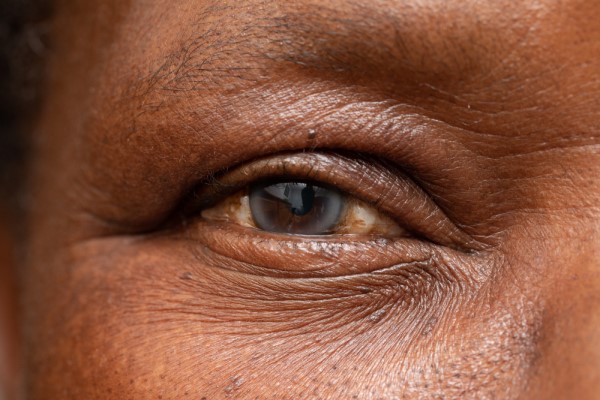
A cataract is the clouding of the eye’s lens. It is a common eye ailment in older people. A normal lens is transparent. Improving your vision at the onset of this ailment is possible through the help of your eye care provider. If you want to know about the popular options for cataract treatment, here are the details.
Early treatments
An individual with early symptoms of this ailment can go to an optometrist to get new eyeglasses. The change in prescription can help the affected lens focus better. Purchasing a magnifying lens can ease the strain in reading the fine print. This handy lens can also help accomplish close work.
Sun exposure can worsen a cataract. Wearing UV (ultraviolet) protective sunglasses can help protect the eyes from glare. Maintaining good lighting inside the home or workplace can aid in better focus. Placing an anti-glare screen protector on the computer screen can also make viewing easier.
When to think about surgery
Talking with the attending eye care provider can help determine if this surgery is the right treatment. Eye doctors often suggest this procedure when the lens clouding begins to prevent the person from performing activities of daily living. Considering the surgery can help the patient drive at night or read again. The decision to have cataract surgery depends on the eye care provider and the patient.
People with chronic diseases like obesity, diabetes, or high blood pressure have quick-worsening cataracts. Delaying the surgery for a while will not affect the person’s vision. Considering the risks and good results of cataract surgery can take some time. Thinking about them first is always better. Meanwhile, seeing the eye doctor for routine eye checks must continue to happen.
What to expect during surgery
The primary goal of this surgery is to remove the clouded lens and replace it with a clear artificial lens. The synthetic lens is the intraocular lens. The doctor will place this lens in the former position of the old lens. It will be a permanent part of the patient’s eye by the end of the surgery.
In some cases, using an artificial lens to treat this eye condition is not possible. A patient working with microscopes cannot receive these lenses. The eye doctor will then talk to an optometrist to correct the patient’s vision. Either contact lenses or prescription eyeglasses can help.
Cataract surgery is an outpatient procedure. The patient will not need an overnight stay at a hospital. The doctor will numb the eye area first with a local anesthetic. Staying awake can help the doctor perform without forcing the eye open.
This type of surgery has a very low risk of additional damage to the eye. The risk for bleeding, infections, and retinal detachment can also happen. The patient will experience some discomfort for about three days after the procedure. Complete healing will happen in few weeks.
Some patients have cloudiness in the lenses of both eyes. Each eye will need surgery. The doctor will schedule the second cataract surgery after the first eye heals. This will prevent the patient from not seeing with both eyes as they heal.
Cataract surgery can help you regain your good quality of life
The cloudiness of your eye lens can make seeing challenging. The cloudiness will form in a gradual way. You will have enough time to decide when you will have this procedure. Talking to your eye doctor can help determine the cataract surgery you need.
Get more information about Texas Optical in Dallas at https://www.texasoptical.net.
Check out what others are saying about our services on Yelp: Cataract in Dallas, TX.
Recent Posts
A professional eye exam is the most direct way for you to find out if astigmatism is causing blurry or distorted vision. While many people think of these visits as a way to get a new corrective lens prescription, a comprehensive check-up looks much deeper. At our Dallas office, we focus on providing clear answers…
Searching for a reliable eye doctor near me is the best way to handle vision that feels fuzzy or reading that leaves the eyes feeling exhausted. Many people get used to a blurry world by squinting or leaning into their computer monitors without even noticing. Our eye doctor helps patients regain clear vision by identifying…
If you live with diabetes, staying on top of regular health checkups can feel like a full-time job. A diabetic eye exam is one of the most important tools available to help you prevent permanent vision loss and maintain your quality of life. While many people believe that a quick vision screening for new glasses…
Blue light glasses have become a popular option for people who spend long hours on computers, phones, and tablets. Screens are now part of work, school, entertainment, and everyday communication, which means the eyes often stay focused on digital devices for much of the day. As screen time increases, many people start looking for simple…