Pediatric Eye Problems: Testing and Treatment From an Optometrist
Pediatric eye problems are something that every parent should take seriously. Though eye issues are common among middle-aged and older adults, these concerns can affect children from birth. Throughout childhood, kids can struggle with any number of vision conditions. The good news is that with the help of a trained optometrist, the proper diagnosis and treatment can take place. Your child does not have to suffer from poor vision but can find the right solutions today.
The role of an optometrist in pediatric eye problems
Eye care is critical for people of all ages. From the time a child is 6 months old, eye exams play an important role in assessing a person’s vision and eye health. An optometrist is a good choice when it comes to choosing a provider. This person is not a medical doctor but has the knowledge and tools to properly test patients and identify emerging pediatric eye problems. The optometrist completes a college degree as well as an additional four years of optometry training.
An optometrist will evaluate the results of an eye examination and determine whether a patient needs corrective lenses. The optometrist can give a prescription to correct issues such as farsightedness, nearsightedness, and blurry vision. This provider will also offer regular follow-up visits and checkups to make any necessary adjustments. In some cases, the optometrist can handle minor surgical work for eye problems.
What the eye exam entails
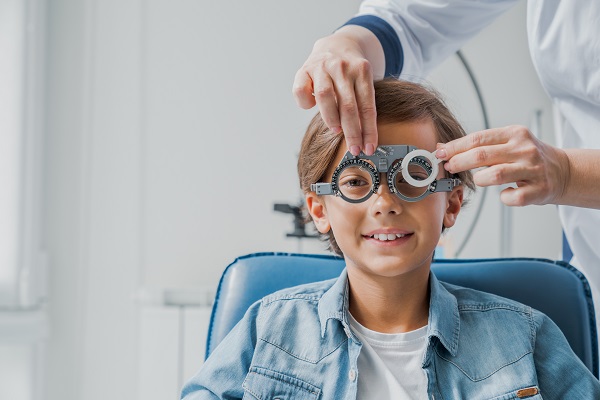
An eye exam is an effective way of diagnosing pediatric eye problems in early and developed stages. The optometrist begins by asking the child (or parent) questions about their health history. Next, the patient receives drops in the eye, and the optometrist measures the eye pressure. The optometrist also checks the structure and health of the eye to ensure there is no damage. The child will read from charts so that the optometrist can measure how effective the person’s vision is and whether the eyes work correctly.
Lazy eye
This is one of the most common pediatric eye problems. It occurs when the visual portion of the brain does not develop correctly, weakening the eye. It can happen in one or both eyes and result in eye problems throughout life if not treated. To help with this issue, the optometrist may prescribe glasses. Drops and eye patches can also treat lazy eye.
Double vision
Officially known as diplopia, this problem is characterized by the person seeing one object in two different places. It happens because of misalignments in the eyes. The child suffering from the condition may see double objects vertically or horizontally. Eyeglasses can help the patient control this condition.
Nearsightedness and farsightedness
Dysfunctions of the eye that keep light from focusing on the retina can cause these pediatric eye problems. Children and adults alike can struggle with it. The conditions make it difficult to read or see objects from various distances. Glasses and contacts can correct both problems.
Proper vision awaits
The inability to see properly can be frustrating. You should not let any of these pediatric eye problems persist for your child. Make an appointment with your optometrist today. Your child can enjoy good vision and eye health once more.
Get more information here: https://www.texasoptical.net or call Texas Optical at (214) 771-7333
Check out what others are saying about our services on Yelp: Pediatric Eye Problems in Dallas, TX.
Recent Posts
Protecting vision in hazardous environments requires the use of specialized safety glasses to prevent injuries from flying debris, chemicals, or intense light. We offer a range of protective eyewear to ensure patients in Dallas maintain clear, safe vision across various environments. Whether working on a construction site or engaging in home improvement projects, selecting the…
Progressive lenses make it possible to see clearly at multiple distances without switching between pairs of glasses throughout the day. These lenses combine distance, intermediate, and near vision correction into one smooth design. An optometrist may recommend them when a patient needs glasses for reading, computer work, and driving all at the same time. Learning…
Seeking professional red eye treatment addresses the root cause of ocular irritation rather than merely masking symptoms with temporary, over-the-counter (OTC) solutions. While many people view a bloodshot appearance as a minor nuisance, redness in the eyes is often a primary signal of underlying health concerns. These issues range from simple environmental allergies to more…
Maintaining healthy eyes is an essential part of overall wellness. Therefore, scheduling regular optometry visits is an important step toward preserving clear, comfortable vision. These appointments do far more than determine whether a person needs glasses or contact lenses. They help assess both visual performance and the health of the internal and external eye structures.…