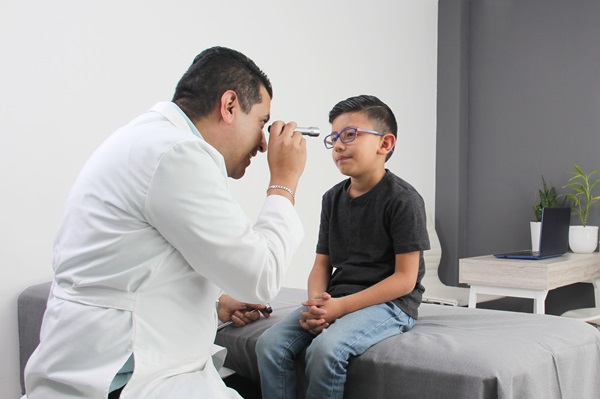
As an optometrist, fostering good vision and eye health begins with establishing healthy habits in childhood. Pediatric eye care is a cornerstone of overall well-being, as vision plays a critical role in learning, development, and everyday activities. From infancy through adolescence, prioritizing regular eye examinations and cultivating protective behaviors ensures children have the best visual outcomes. Understanding the essentials of pediatric eye care empowers parents and guardians to make informed decisions for their children’s visual health.
The importance of early eye examinations
Early eye examinations are vital in identifying and addressing potential vision problems before they hinder a child’s development. According to the American Optometric Association, children should receive their first comprehensive eye exam at six months, followed by another at three years old, and before starting school. These early evaluations are crucial because many eye conditions, such as amblyopia (lazy eye), strabismus (crossed eyes), and significant refractive errors, can develop without obvious symptoms.
Regular pediatric eye care not only detects these conditions early but also supports healthy vision development. For school-aged children, annual eye exams are essential to ensure they can meet the visual demands of the classroom, including reading, writing, and using digital devices.
Common vision issues in children
Understanding common pediatric vision issues can help parents recognize potential problems and seek timely care. Some of the most frequent concerns include refractive errors, amblyopia, strabismus, and digital eye strain.
Conditions like nearsightedness (myopia), farsightedness (hyperopia), and astigmatism can cause blurry vision and hinder academic performance if left uncorrected. Amblyopia, also known as lazy eye, occurs when one eye develops weaker vision due to misalignment or a refractive error. Early intervention can often correct amblyopia through glasses, patching, or other therapies. Strabismus, or misaligned eyes, can affect depth perception and binocular vision, requiring corrective lenses, vision therapy, or, in some cases, surgery. Digital eye strain from prolonged use of screens can lead to discomfort, blurry vision, and difficulty focusing.
Recognizing the signs of these issues, such as frequent squinting, rubbing eyes, complaints of headaches, or sitting too close to screens, highlights the need for pediatric eye care.
Developing healthy vision habits
Healthy vision habits formed in childhood contribute to long-term eye health. Encourage these practices to support children’s visual well-being:
- Limit Screen Time: The increasing use of digital devices among children has raised concerns about digital eye strain. Adhering to the 20-20-20 rule—taking a 20-second break every 20 minutes to look at something 20 feet away—can reduce eye fatigue.
- Promote Outdoor Play: Spending time outdoors is beneficial for vision development. Studies suggest increased exposure to natural light may reduce the risk of developing myopia in children.
- Ensure Proper Lighting: Adequate lighting during reading or homework helps reduce eye strain and encourages comfortable vision.
- Encourage Balanced Nutrition: A diet rich in vitamins A, C, and E, along with omega-3 fatty acids, supports overall eye health. Foods like carrots, leafy greens, and fish are excellent choices.
- Protect Eyes During Play: Wearing protective eyewear during sports or recreational activities prevents injuries that could have long-term consequences for vision.
By instilling these habits early, parents can help their children maintain good vision and reduce the risk of developing eye conditions later in life.
The role of pediatric eye care in academic success
Vision and learning are closely intertwined. According to research, 80% of what children learn is processed visually. Undiagnosed vision problems can lead to academic struggles, reduced confidence, and even behavioral issues. Pediatric eye care ensures children have the visual tools necessary to thrive in the classroom.
For example, myopia has become increasingly common among school-aged children. With proper correction, they can see the board and follow lessons effectively. Regular eye exams ensure that any refractive errors are addressed with the appropriate prescription lenses or other treatments, setting children up for success.
When to seek immediate pediatric eye care
While routine eye exams are essential, certain situations require immediate attention from an optometrist. Parents should seek care if their child experiences:
- Sudden changes in vision, such as blurriness or double vision
- Eye injuries, including scratches, foreign objects, or trauma
- Persistent eye redness, swelling, or discharge, which could indicate an infection
- Consistently tilting their head or covering one eye, which may signal a vision issue
Timely intervention in these cases ensures children receive the necessary treatment to protect their vision and overall health.
Consult an optometrist today
Pediatric eye care is fundamental to promoting healthy development and lifelong wellness. Early eye examinations, the adoption of healthy habits, and timely intervention for vision issues create a strong foundation for children’s visual health. Investing in pediatric eye care early on paves the way for a future filled with clear vision and opportunities. For more information, schedule a consultation visit today at Texas Optical.
To schedule a consultation, request an appointment on our website at https://www.texasoptical.net or call Texas Optical at (214) 771-7333 for an appointment in our Dallas office.
Check out what others are saying about our services on Yelp: Read our Yelp reviews.
Recent Posts
Protecting vision in hazardous environments requires the use of specialized safety glasses to prevent injuries from flying debris, chemicals, or intense light. We offer a range of protective eyewear to ensure patients in Dallas maintain clear, safe vision across various environments. Whether working on a construction site or engaging in home improvement projects, selecting the…
Progressive lenses make it possible to see clearly at multiple distances without switching between pairs of glasses throughout the day. These lenses combine distance, intermediate, and near vision correction into one smooth design. An optometrist may recommend them when a patient needs glasses for reading, computer work, and driving all at the same time. Learning…
Seeking professional red eye treatment addresses the root cause of ocular irritation rather than merely masking symptoms with temporary, over-the-counter (OTC) solutions. While many people view a bloodshot appearance as a minor nuisance, redness in the eyes is often a primary signal of underlying health concerns. These issues range from simple environmental allergies to more…
Maintaining healthy eyes is an essential part of overall wellness. Therefore, scheduling regular optometry visits is an important step toward preserving clear, comfortable vision. These appointments do far more than determine whether a person needs glasses or contact lenses. They help assess both visual performance and the health of the internal and external eye structures.…