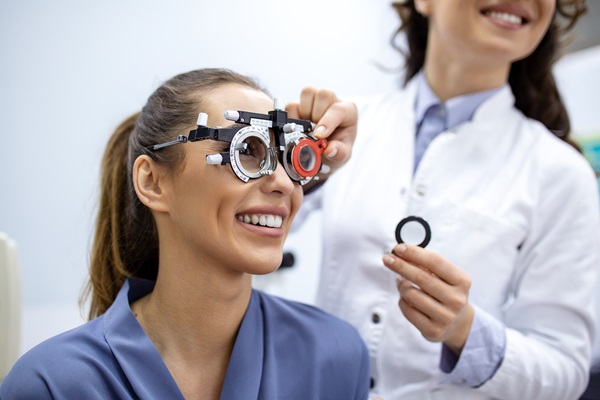
While eye health is a key aspect of general health, people may not know the most effective ways to care for their eyes and vision properly. Fortunately, optometry helps patients preserve their overall eye health with vision correction and routine eye examinations. If you are wondering what else you can do to help keep your eyes healthy and your vision clear (or as clear as it can be), check out these tips from an optometrist.
Exercise and eat healthy foods
Improving eye health can be as simple as exercising regularly and eating a nutritious diet. According to the National Eye Institute (NEI), staying active can reduce one's risk of developing health conditions, like diabetes, that could negatively impact eye health. The NEI further stresses the importance of eating foods that promote eye health, such as spinach, collard greens, and other dark, leafy vegetables. Omega-3 fatty acids also benefit the eyes and can be found in foods such as salmon, walnuts, and flaxseed.
Take breaks from screens
Whether a patient spends most of the day working on the computer or enjoys winding down with TV, movies, video games, or similar activities, make sure to give the eyes frequent breaks. Those working in optometry typically recommend the 20-20-20 rule to give the eyes a screen break: about every 20 minutes, look at something approximately 20 feet away for at least 20 seconds.
Wear sunglasses
Sunglasses help protect the eyes from straining and squinting against the sunlight. Moreover, UV-blocking sunglasses protect against harmful ultraviolet rays, which can damage the eyes just as much as they can damage the skin. For instance, the corneas can become sunburned. Other potential issues include cataracts, macular degeneration, and surfer's eye (pterygium).
Nonprescription sunglasses are available at most drugstores. Those who need vision correction can purchase prescription sunglasses at the optometrist's office. While any amount of protection helps, getting sunglasses with 100% UVA and UVB protection is ideal. Patients can also explore different lens tints: Gray tints are great multipurpose lenses, while red and mirrored tints are particularly helpful for winter athletes.
Use other types of protective eyewear
The sun is not the only external factor that can damage the eyes. Certain sports, hobbies, and professions can increase one's risk for eye injury. For example, those working in labs or construction may need to wear safety goggles to protect the eyes. Swimming goggles can protect the eyes while swimming, whether recreational or as part of a team sport. Even office workers may benefit from wearing blue light protection glasses to help prevent vision damage from prolonged screen use.
Avoid generic reading glasses
While generic reading glasses are helpful when in a bind, long-term use can negatively impact vision. These glasses are often available at drugstores, bookstores, and gas stations, making them a convenient option for those on the go. However, the generic prescription is likely too strong or weak in at least one eye. Thus, making a habit of using them can result in vision damage. It is much better to get customized corrective lenses from an optometrist's office.
Make sure the prescription is updated
Similar to the last point, it is important to have the prescription updated regularly. It is common for a patient's vision to change as they age, which can outdate their corrective lenses. The prescription may become too weak, causing symptoms like headaches and blurred or double vision. However, vision does not always get worse. Some patients see improvements in their vision and need an updated, weaker prescription. As mentioned, we do not recommend patients wear a prescription that is too strong; eye strain, nausea, and headaches are likely to occur.
Fortunately, our optometrist can update a patient's prescription as part of their routine eye examination. This is also known as a visual acuity test, the part of the exam in which the optometrist has the patient read an eye chart through various lenses. The end result is the patient's custom corrective lenses.
Prioritize routine eye exams
Eye examinations can accomplish more than just updating a patient's prescription. In optometry, eye exams assess the eye's overall health, detect any symptoms of eye disease, and preserve vision. They involve checking pupil dilation, eye pressure, the retina and optic nerve in addition to vision. If any potential problems are found, the optometrist can work to diagnose and treat them before they can progress. For these reasons, the American Optometric Association recommends that everyone, regardless of whether they need vision correction, make it a priority to get an annual eye exam.
Schedule an optometry appointment today
Prioritizing your eye health can help protect and preserve your vision for years to come. If you are interested in learning more optometry tips or would like to schedule an eye exam, contact our optometrist. Our team proudly serves patients in Dallas and the surrounding areas.
Request an appointment here: https://www.texasoptical.net or call Texas Optical at (214) 771-7333 for an appointment in our Dallas office.
Check out what others are saying about our services on Yelp: Read our Yelp reviews.
Recent Posts
If you live with diabetes, staying on top of regular health checkups can feel like a full-time job. A diabetic eye exam is one of the most important tools available to help you prevent permanent vision loss and maintain your quality of life. While many people believe that a quick vision screening for new glasses…
Seeking itchy eye treatment offers a clear path to relief from the redness and constant irritation that make focusing on daily tasks difficult. Many people assume a small itch is just a temporary nuisance, but it often signals an underlying issue that requires professional attention. An optometrist looks beyond the surface to identify whether the…
Clear sight matters, but comfort and eye health matter just as much. An optometrist office offers far more than glasses, from eye disease screenings to specialty testing that supports lifelong vision. Many eye concerns develop quietly, especially for people who spend long hours on screens or manage chronic health conditions. Regular visits help keep small…
A myopia optometrist evaluates more than nearsightedness during a comprehensive eye exam, because blurred vision may also relate to astigmatism and how the eye focuses light. Both conditions can influence clarity at distance and near, and they sometimes occur together in the same prescription. When that overlap exists, a treatment plan should address each component…