Optometrist: Diagnosing and Treating Both Nearsightedness and Farsightedness
Want to see an optometrist so you can understand the current health of your eyes? If you are between the ages of 20 and 39, you need to make appointments every five years. Between the ages of 40 and 54? Every two to four years. Between the ages of 55 and 64? Every one to three years. Over the age of 65? Every one to two years. When you do not make regular optometry appointments, you may be putting your eye health at risk.
About optometrists
Understanding what an optometrist can do for you is a great idea. Even if you are not currently experiencing any eye problems, making regular appointments with an experienced optometrist helps ensure that your eyes are indeed healthy. Optometrists are eye health care professionals, just like your general doctor is your overall health care professional. This means optometrists can examine your eyes and diagnose any eye-related problems found, and if there are any, they can then provide you with the proper treatment.
Diagnosing both nearsightedness and farsightedness
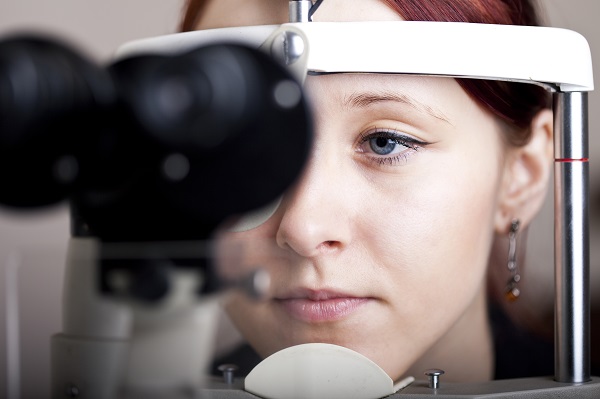
Nearsightedness is a term that is used to describe eye problems in patients whose eyes are too short in length, which makes it more difficult for any light to enter the retina and thus makes it more difficult to see things clearly that are far away. Optometrists can diagnose nearsightedness in patients by performing a retinoscopy, which allows them to see how the eyes are affected by incoming light. If it is determined that a patient is indeed nearsighted, the patient will receive treatment in order to help correct their vision problems.
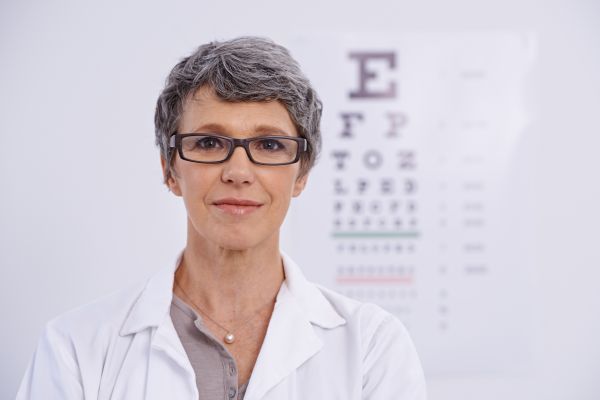
Farsightedness is a term that is used in patients who have difficulty seeing things near them clearly. Optometrists are able to diagnose farsightedness in their patients by using alphabet eye charts. Patients are asked to read the letters on the eye chart, which start out large and then get smaller toward the bottom of the chart. Two additional ways that optometrists are able to determine whether a patient is farsighted is to use a special eye instrument that bounces a beam of light off of the retina, along with another instrument that measures any present farsighted refractive errors.
Treating both nearsightedness and farsightedness
When it comes to treating patients who are diagnosed with nearsightedness, the most common solution is providing them with a corrective prescription. There are many different types of eyeglasses and contact lenses that patients can choose from nowadays, which means that many patients will have choices when it comes to wearing their corrective eyewear.
The most common method optometrists use for treating farsightedness is to prescribe their patients with the proper type of eyeglasses or contact lenses. While patients often have a choice, contact lenses often work better when it comes to improved vision due to their ability to refract light and offer wider views.
Ready to make an appointment?
You can make an appointment with our optometrist so you can receive the eye care you need for good vision. Your eye health is important, and when you are experiencing problems, you must make an appointment with an eye doctor as soon as possible. If you do not, then your eye problems may continue to get worse, which is something that you do not want to happen, as it is possible for you to lose your vision.
Request an appointment here: https://www.texasoptical.net or call Texas Optical at (214) 771-7333 for an appointment in our Dallas office.
Check out what others are saying about our services on Yelp: Read our Yelp reviews.
Recent Posts
Seeking itchy eye treatment offers a clear path to relief from the redness and constant irritation that make focusing on daily tasks difficult. Many people assume a small itch is just a temporary nuisance, but it often signals an underlying issue that requires professional attention. An optometrist looks beyond the surface to identify whether the…
Clear sight matters, but comfort and eye health matter just as much. An optometrist office offers far more than glasses, from eye disease screenings to specialty testing that supports lifelong vision. Many eye concerns develop quietly, especially for people who spend long hours on screens or manage chronic health conditions. Regular visits help keep small…
A myopia optometrist evaluates more than nearsightedness during a comprehensive eye exam, because blurred vision may also relate to astigmatism and how the eye focuses light. Both conditions can influence clarity at distance and near, and they sometimes occur together in the same prescription. When that overlap exists, a treatment plan should address each component…
Corrective lenses are the primary method for addressing refractive errors and maintaining sharp vision as you get older. When the ability to focus on fine print or distant objects begins to fade, choosing the right lens can help you maintain your vision clarity and comfort. Among the various options available at an optometry practice, single-vision…