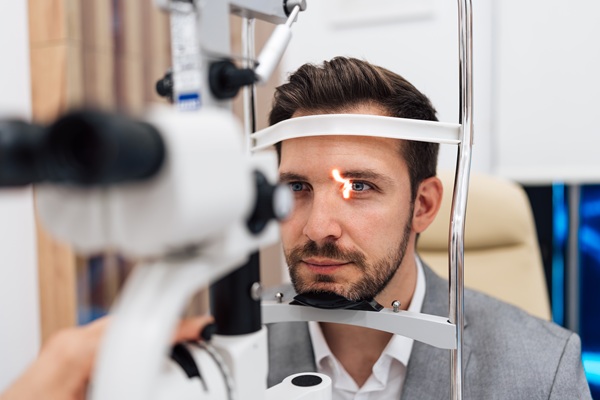
Finding the right provider when typing “optometrist near me” into a search engine involves more than simply choosing the closest office. While location is important, the overall quality of care, services offered, and patient satisfaction can vary significantly. A thorough approach to selecting an optometrist ensures better eye health outcomes and a more comfortable experience.
Check credentials and experience
Not all optometrists have the same training, background, or areas of focus. Look for providers who are licensed in the state and have completed a Doctor of Optometry (OD) degree from an accredited institution.
Years of experience, continued education, and involvement in professional organizations often reflect a higher standard of care. Some optometrists may also specialize in areas such as pediatric vision care, contact lenses, or the management of eye diseases. This information is typically listed on the provider’s website.
Evaluate their range of services
While some optometry offices focus solely on vision testing and prescription glasses, others offer a comprehensive range of care, including the diagnosis and management of eye conditions such as dry eye, glaucoma, macular degeneration, and diabetic retinopathy.
When searching for an optometrist near me, be sure the office offers the specific services needed. It may also be helpful to choose a provider who can handle both routine exams and long-term management of vision health under one roof.
Look at patient reviews
Online reviews offer valuable insights into the experiences of other patients. Look for trends in feedback—positive or negative—that relate to professionalism, wait times, ease of scheduling, and the quality of care.
High ratings alone may not tell the full story. A well-reviewed optometrist who takes the time to explain diagnoses, offer clear recommendations, and build patient trust is often a strong choice.
Consider insurance and pricing
Cost is a practical concern when selecting any healthcare provider. An optometrist near me who accepts the right insurance plan can help reduce out-of-pocket costs for eye exams, glasses, contact lenses, and medical treatments.
It is also important to inquire about pricing for common services if you are paying out of pocket. Transparent pricing and financial options may reflect an office’s commitment to accessibility and patient-centered care.
Assess technology and facilities
Modern equipment supports accurate diagnosis and efficient care. Practices that invest in up-to-date diagnostic tools—such as retinal imaging, corneal topography, and visual field testing—can identify issues earlier and monitor changes more effectively.
An in-house optical center with a wide selection of frames and lenses adds convenience. Additionally, clean, welcoming facilities with a knowledgeable staff contribute to a positive patient experience.
Prioritize availability and convenience
When narrowing down results for an optometrist near me, availability should be a key factor. Offices that offer flexible hours, same-day appointments, or weekend availability may better accommodate busy schedules.
Location and parking should also be taken into consideration. An optometrist with a centrally located office, public transit access, or ample parking can make routine visits more manageable.
Checklist: What to look for in an optometrist
To simplify the search, keep the following checklist in mind:
- Licensed optometrist with relevant experience and specialties
- Wide range of vision and medical eye care services
- Consistently positive patient reviews and ratings
- Insurance compatibility and transparent pricing
- Modern technology and a comfortable, clean office environment
- Convenient location and appointment availability
A thorough search for an optometrist near me should also include a review of the practice’s approach to patient education. An optometrist who takes time to explain exam results, answer questions, and discuss treatment options can help patients feel more informed and empowered.
Additionally, look for practices that emphasize preventive care and personalized treatment plans rather than one-size-fits-all solutions. This attention to individual needs often leads to better outcomes and long-term satisfaction. Clear communication, a welcoming staff, and a patient-first mindset can all contribute to a positive experience, making one provider stand out among many local options.
Making the right choice matters
By approaching the search for an optometrist near me with thoughtful consideration, patients can find a trusted partner in lifelong vision care. For more information or to schedule a consultation, call Texas Optical at (214) 771-7333.
Request an appointment here: https://www.texasoptical.net or call Texas Optical at (214) 771-7333 for an appointment in our Dallas office.
Check out what others are saying about our services on Yelp: Read our Yelp reviews.
Recent Posts
Have you noticed spots, threads, or cobweb-like shapes in your field of vision? A proactive approach to vision care right now is the most effective way to safeguard your long-term eye health and peace of mind. Floaters can be very irritating, but simple lifestyle choices and regular checkups make a massive difference. Here is what…
Glaucoma treatment can help protect vision, especially when started early. Glaucoma is a group of eye conditions that can damage the optic nerve, which carries visual information from the eye to the brain. Early glaucoma often develops without obvious symptoms; therefore, partnering with an optometrist through regular screenings can help detect changes before vision loss…
Protecting vision in hazardous environments requires the use of specialized safety glasses to prevent injuries from flying debris, chemicals, or intense light. We offer a range of protective eyewear to ensure patients in Dallas maintain clear, safe vision across various environments. Whether working on a construction site or engaging in home improvement projects, selecting the…
Progressive lenses make it possible to see clearly at multiple distances without switching between pairs of glasses throughout the day. These lenses combine distance, intermediate, and near vision correction into one smooth design. An optometrist may recommend them when a patient needs glasses for reading, computer work, and driving all at the same time. Learning…