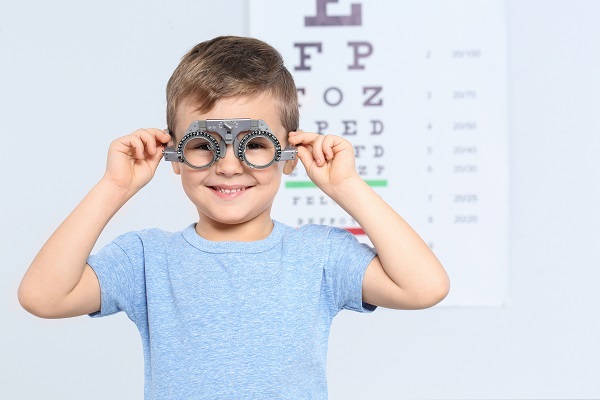
Learning more about how an eye doctor can help you is smart. Making regular appointments with an experienced optometrist is important. Eye doctors are professionals who perform the comprehensive eye and vision examinations everyone needs every one to two years. Your good eye health is vital to your everyday activities.
Choosing an eye doctor
When patients are in need of a new eye care provider, it is important to keep a few things in mind so that they can choose one who will be a longtime eye care provider. Be sure to ask how much experience they have, as well as check out their credentials. Finding out if the office is using high-tech optometric equipment is also a good idea. Lastly, calling the office to schedule a visit to meet the optometrist and staff is recommended, as this allows patients to get a feel for the kind of service they will receive.
Important visits to an eye doctor
The list below includes three of the more important visits that need to be made with an eye doctor.
Eye examinations
According to the American Optometric Association, periodic eye and vision examinations are an important part of preventive health care. Each patient’s particular needs will ultimately determine whether an eye examination needs to be performed every year or every two years. Eye examination tests often include visual acuity measurements to find how well a patient can see, preliminary tests to understand eye health, refraction tests to test for things like nearsightedness and farsightedness and overall eye health evaluations.
Signs of eye problems
Anyone who is experiencing problems with their eyes should not hesitate to visit an eye doctor. Some of the more common signs that something is wrong with the eyes include blurry vision, any eye discomfort or pain, double vision, distorted vision, seeing halos, experiencing difficulty reading, ongoing headaches, constant pressure around the eyes and experiencing difficulty with the eyes adjusting from light to dark or vice versa.
To screen for myopia aka nearsightedness
Myopia is an eye condition that makes it difficult for someone to focus on things far away. The cause is due to an irregular-shaped cornea, which directly affects the way the light enters the retina. When a patient is diagnosed with myopia, treatment includes wearing corrective eyeglasses or contact lenses, wearing corneal reshaping contact lenses and undergoing surgery. This vision problem is on the rise nowadays, making it essential for everyone to visit an experienced optometrist on a regular basis to make sure that this condition is not present.
Is it time for a visit?
Do you need to visit an eye doctor? If you are currently experiencing any problems with your eyes, make an appointment as soon as possible. It is important for you to know that early treatment by an eye doctor allows for a higher chance of success. If you have any questions you need answered, do not hesitate to call your eye doctor today.
Request an appointment here: https://www.texasoptical.net or call Texas Optical at (214) 771-7333 for an appointment in our Dallas office.
Check out what others are saying about our services on Yelp: Read our Yelp reviews.
Recent Posts
Protecting vision in hazardous environments requires the use of specialized safety glasses to prevent injuries from flying debris, chemicals, or intense light. We offer a range of protective eyewear to ensure patients in Dallas maintain clear, safe vision across various environments. Whether working on a construction site or engaging in home improvement projects, selecting the…
Progressive lenses make it possible to see clearly at multiple distances without switching between pairs of glasses throughout the day. These lenses combine distance, intermediate, and near vision correction into one smooth design. An optometrist may recommend them when a patient needs glasses for reading, computer work, and driving all at the same time. Learning…
Seeking professional red eye treatment addresses the root cause of ocular irritation rather than merely masking symptoms with temporary, over-the-counter (OTC) solutions. While many people view a bloodshot appearance as a minor nuisance, redness in the eyes is often a primary signal of underlying health concerns. These issues range from simple environmental allergies to more…
Maintaining healthy eyes is an essential part of overall wellness. Therefore, scheduling regular optometry visits is an important step toward preserving clear, comfortable vision. These appointments do far more than determine whether a person needs glasses or contact lenses. They help assess both visual performance and the health of the internal and external eye structures.…