Important Visits to Your Eye Doctor
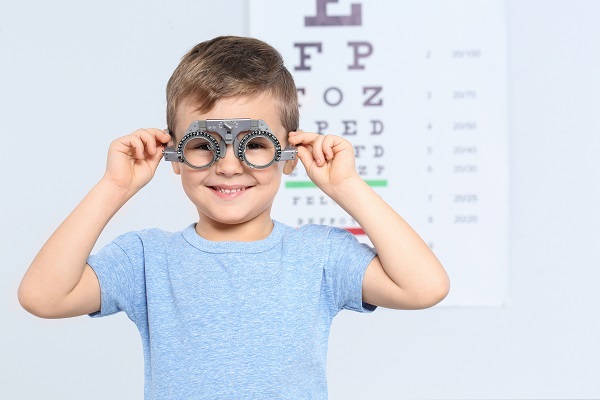
Learning more about how an eye doctor can help you is smart. Making regular appointments with an experienced optometrist is important. Eye doctors are professionals who perform the comprehensive eye and vision examinations everyone needs every one to two years. Your good eye health is vital to your everyday activities.
Choosing an eye doctor
When patients are in need of a new eye care provider, it is important to keep a few things in mind so that they can choose one who will be a longtime eye care provider. Be sure to ask how much experience they have, as well as check out their credentials. Finding out if the office is using high-tech optometric equipment is also a good idea. Lastly, calling the office to schedule a visit to meet the optometrist and staff is recommended, as this allows patients to get a feel for the kind of service they will receive.
Important visits to an eye doctor
The list below includes three of the more important visits that need to be made with an eye doctor.
Eye examinations
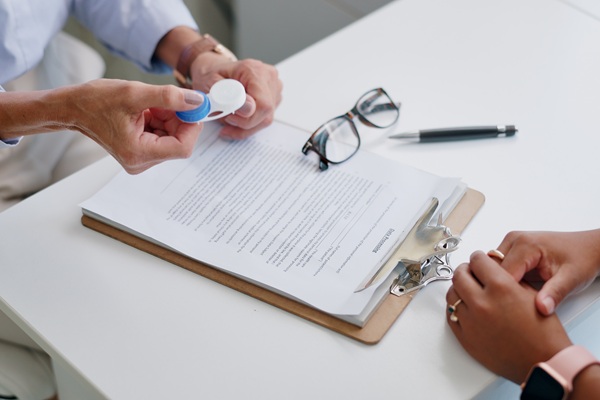
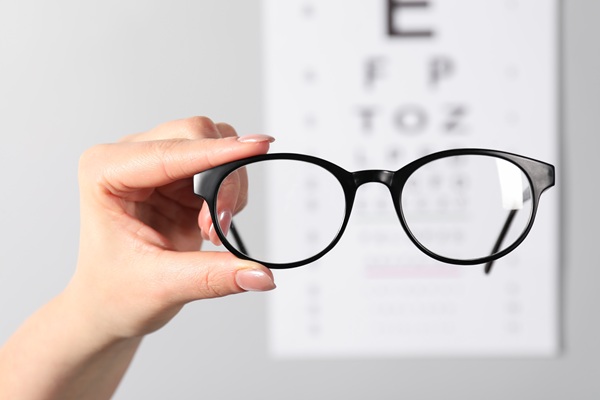
According to the American Optometric Association, periodic eye and vision examinations are an important part of preventive health care. Each patient’s particular needs will ultimately determine whether an eye examination needs to be performed every year or every two years. Eye examination tests often include visual acuity measurements to find how well a patient can see, preliminary tests to understand eye health, refraction tests to test for things like nearsightedness and farsightedness and overall eye health evaluations.
Signs of eye problems
Anyone who is experiencing problems with their eyes should not hesitate to visit an eye doctor. Some of the more common signs that something is wrong with the eyes include blurry vision, any eye discomfort or pain, double vision, distorted vision, seeing halos, experiencing difficulty reading, ongoing headaches, constant pressure around the eyes and experiencing difficulty with the eyes adjusting from light to dark or vice versa.
To screen for myopia aka nearsightedness
Myopia is an eye condition that makes it difficult for someone to focus on things far away. The cause is due to an irregular-shaped cornea, which directly affects the way the light enters the retina. When a patient is diagnosed with myopia, treatment includes wearing corrective eyeglasses or contact lenses, wearing corneal reshaping contact lenses and undergoing surgery. This vision problem is on the rise nowadays, making it essential for everyone to visit an experienced optometrist on a regular basis to make sure that this condition is not present.
Is it time for a visit?
Do you need to visit an eye doctor? If you are currently experiencing any problems with your eyes, make an appointment as soon as possible. It is important for you to know that early treatment by an eye doctor allows for a higher chance of success. If you have any questions you need answered, do not hesitate to call your eye doctor today.
Request an appointment here: https://www.texasoptical.net or call Texas Optical at (214) 771-7333 for an appointment in our Dallas office.
Check out what others are saying about our services on Yelp: Read our Yelp reviews.
Recent Posts
A contact lens exam addresses different questions than a standard eye exam. It evaluates the cornea, lids, and tear film, then matches lens materials and designs to vision needs and eye health. Lenses sit directly on the eye, so small details such as curvature, diameter, and oxygen flow influence comfort, clarity, and safety. An optometrist…
Standard vision tests, or eye exams, help ensure accurate prescriptions for glasses and support long-term eye health for people who wear corrective lenses. Even small prescription changes can affect headaches, screen comfort, and night driving clarity. Eye exams also screen for conditions that may not present with early symptoms, making routine testing an important habit.…
Pediatric eye care is the key to clear vision and confident learning that starts in childhood. Unfortunately, even minor vision problems can negatively affect reading, coordination, and classroom focus. Many parents come to realize how common it is for children to pass quick screenings yet struggle with focusing, eye strain, or fatigue during schoolwork. A…
The selection of eyewear feels significantly easier when the styles and craftsmanship of Versace eyewear enters the conversation, since bold lines and iconic detailing create an instantly recognizable look. Versace represents the intersection of Italian fashion and Greek mythos, blending confident glamour with symbolism through its signature Medusa logo. The brand is widely associated with…