How Does an Eye Doctor Diagnose Retinitis Pigmentosa?
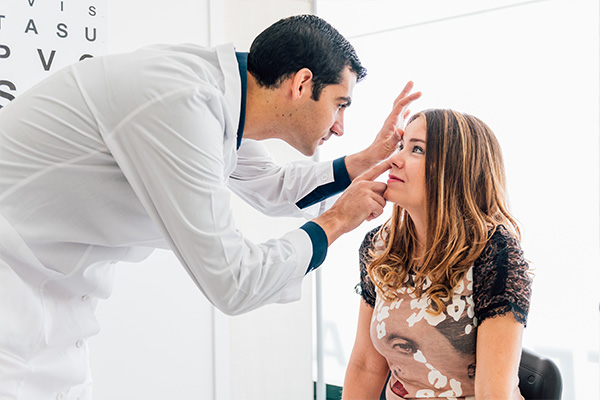
While it is imperative to visit an eye doctor once a year for regular checkups, it is also critical to schedule an appointment when any type of vision change occurs. This includes sensitivity to bright lights, trouble differentiating colors, difficulty seeing at night or changes in peripheral vision. While these changes could point to a variety of conditions, they are all also symptoms of a rare but serious eye disease known as retinitis pigmentosa.
The cause of retinitis pigmentosa
While some types of eye disease are a result of lifestyle habits or other health problems, retinitis pigmentosa is a purely genetic condition. It is possible for parents to carry the gene and not suffer from the disease while still passing it on to their offspring. While the overall timeline can vary from person to person, symptoms typically develop in early childhood. For many individuals, symptoms worsen over time to lead to total vision loss around middle age. However, an early diagnosis from an eye doctor and certain preventative treatments can help slow the progression of the disease.
Seeing an eye doctor for evaluation
At the first sign of the aforementioned symptoms, patients or parents should schedule an appointment with an optometrist. It is also important to maintain annual checkups with a pediatrician and eye doctor to help detect signs of the disease as early in life as possible. A variety of diagnostic and treatment procedures may be used when retinitis pigmentosa is a concern.
Diagnostic procedures
As with most regular eye exams, an eye doctor will dilate the pupils using eye drops and use an opthamaloscope to examine the retinas of the eyes. As the name of the disease suggests, a patient with the condition will exhibit spots or discolorations on the retinas when the disease is present. An electroretinogram may also be conducted, which studies how the retinas react to flashes of light after placing a special lens over the eye. Visual field tests may help detect changes in peripheral vision.
Once a doctor suspects that the cause is retinitis pigmentosa, blood tests will be ordered to confirm the presence of the disease as well as the specific genetic abnormality. In the case of a confirmed diagnosis, family members should also be screened for the disease.
Treatment options
Unfortunately, there is currently no cure for this rare but debilitating eye disease. However, certain oral medications can reduce swelling of the retina, slowing down the disease and preventing some symptoms for a time. Wearing sunglasses regularly can help protect from excess damage from the harmful UV rays that speed up vision loss. A diet high in vitamin A can also help to keep symptoms at bay but should be monitored closely for safety, as high doses can be harmful. Later in life, retinal implants can restore partial sight in some patients.
Conclusion
Individuals who experience or notice the signs of retinitis pigmentosa should see an eye doctor promptly. The physician will use a variety of methods to test for the disease, including blood work to pinpoint the genetic mutation responsible. While this hereditary condition ultimately leads to vision loss, it can be slowed with early diagnosis and treatment.
Request an appointment here: https://www.texasoptical.net or call Texas Optical at (214) 771-7333 for an appointment in our Dallas office.
Check out what others are saying about our services on Yelp: Read our Yelp reviews.
Recent Posts
Optometrist examinations include a careful evaluation of the back of the eye, as this area provides valuable information about vision, eye health, and overall wellness. While many people expect an eye exam to focus only on vision correction, a comprehensive evaluation often extends far beyond determining a prescription for glasses or contact lenses. Examining the…
Emergency eye care helps protect vision when sudden symptoms, injuries, or infections require prompt evaluation from an eye care professional. Some eye problems may seem minor at first, but changes in vision, pain, swelling, or trauma can indicate conditions that require same-day attention. Knowing when to seek urgent help can help you receive the immediate…
Have you noticed spots, threads, or cobweb-like shapes in your field of vision? A proactive approach to vision care right now is the most effective way to safeguard your long-term eye health and peace of mind. Floaters can be very irritating, but simple lifestyle choices and regular checkups make a massive difference. Here is what…
Glaucoma treatment can help protect vision, especially when started early. Glaucoma is a group of eye conditions that can damage the optic nerve, which carries visual information from the eye to the brain. Early glaucoma often develops without obvious symptoms; therefore, partnering with an optometrist through regular screenings can help detect changes before vision loss…