Glaucoma Treatment: Dealing With Glaucoma Medication Side Effects
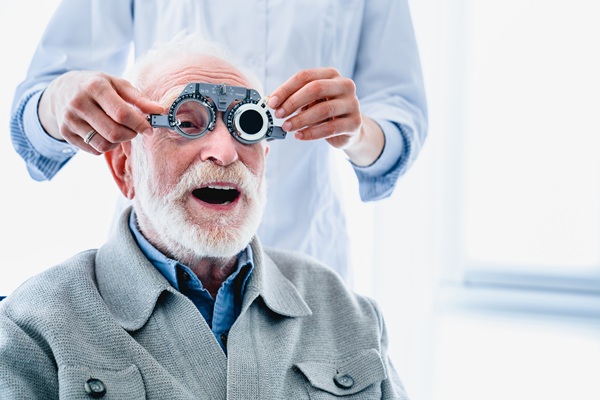
Glaucoma treatment plays a vital role in preserving vision and protecting the optic nerve from further damage. Many patients rely on daily eye drops to manage intraocular pressure, but these medications can sometimes come with side effects. Understanding how to recognize, minimize, and communicate about these effects supports long-term success and comfort with treatment. While medication remains one of the most common ways to manage glaucoma, navigating any side effects is an important part of maintaining eye health.
The role of medication in glaucoma treatment
Most glaucoma treatment plans begin with medicated eye drops, which work by lowering the pressure inside the eye. These drops either reduce fluid production or improve fluid drainage, both of which help protect the optic nerve from further damage. Since glaucoma often progresses without noticeable symptoms, consistent medication use becomes essential, even when vision feels normal.
Patients often use one or more types of eye drops daily, depending on how their eyes respond. Each medication category, such as prostaglandin analogs, beta blockers, or carbonic anhydrase inhibitors, offers unique benefits. However, each also carries a different potential for side effects. Monitoring how the eyes and body respond helps guide future care decisions.
Common side effects associated with eye drops
Although glaucoma medications treat the eyes, their ingredients may sometimes affect surrounding tissues or enter the bloodstream. Several common side effects can include:
- Eye redness, stinging, or burning after applying drops
- Dryness or excessive tearing
- Blurred vision or light sensitivity
- Eyelid darkening
- Changes in eyelash growth
Systemic effects may also arise, especially with beta-blocker drops. These effects can influence breathing, heart rate, or energy levels. Patients with asthma, bradycardia, or other underlying conditions should inform the optometrist before starting any glaucoma medication.
Strategies for managing discomfort and irritation during glaucoma treatment
When side effects emerge, small adjustments can often improve comfort and reduce disruption. Using artificial tears during the day may help counter dryness or stinging. However, it is important to wait a few minutes between applying different eye drops, as this allows each medication to absorb properly. The optometrist will also advise patients to minimize systemic absorption by performing punctal occlusion. This technique involves gently pressing on the inner corner of the eye after drop application to reduce drainage into the tear duct. With practice, this step becomes a natural part of the daily routine.
Moreover, maintaining proper hygiene during drop application further reduces the risk of infection or irritation. Washing hands, avoiding contact between the bottle tip and the eye surface, and storing medications as directed all contribute to a safer, more comfortable use.
Communication is key
Open communication about side effects enables adjustments that maintain both comfort and control. Some patients may benefit from switching to a different medication within the same class or reducing the number of drops with combination medications. Others may explore alternative treatments, such as laser therapy, when side effects become difficult to manage.
During follow-up appointments, patients should discuss any changes in vision, sensation, or general well-being with the optometrist. Keeping a log of symptoms, including the timing and duration of any discomfort, can help guide a more personalized treatment plan. Of course, no adjustment should be made without professional guidance. Abruptly stopping glaucoma medications can cause intraocular pressure to rise, increasing the risk of vision loss. Even mild side effects should prompt a conversation rather than a skipped dose.
When to consider treatment alternatives
If medications consistently cause intolerable side effects, other options may be appropriate. Laser trabeculoplasty, for instance, uses targeted light to improve fluid drainage and reduce pressure. This option can reduce or eliminate the need for drops, depending on individual results.
In severe cases of glaucoma, surgical procedures may be necessary. These include filtering surgeries or the placement of drainage devices. An optometrist can help determine when a referral to an ophthalmologist for advanced glaucoma care is necessary. Each treatment decision considers not only the health of the eyes but also the overall comfort and quality of life of the patient. A collaborative approach helps ensure that treatment remains both effective and sustainable.
Schedule an appointment
Consistent glaucoma treatment is the foundation for maintaining visual health and slowing disease progression. Recognizing and managing side effects ensures patients remain comfortable and motivated to continue daily care. Remember that while glaucoma may not currently have a cure, with the right support, side effect management, and commitment to care, many patients maintain strong vision for years to come. If you are showing signs of glaucoma or have been diagnosed with it, contact Texas Optical to schedule an appointment.
Request an appointment here: https://www.texasoptical.net or call Texas Optical at (214) 771-7333 for an appointment in our Dallas office.
Check out what others are saying about our services on Yelp: Read our Yelp reviews.
Recent Posts
The selection of eyewear feels significantly easier when the styles and craftsmanship of Versace eyewear enters the conversation, since bold lines and iconic detailing create an instantly recognizable look. Versace represents the intersection of Italian fashion and Greek mythos, blending confident glamour with symbolism through its signature Medusa logo. The brand is widely associated with…
Many people who work in construction or laboratories wear safety glasses to protect their eyes during the day. However, keeping your eyes safe extends beyond hazards in the workplace. There is a wide variety of household chores and hobbies for which you should wear eye protection. When used consistently, safety glasses help create a safer…
Transitions lenses combine style and convenience to support clear vision without switching between regular glasses and sunglasses. While they were often considered unfashionable in days past, times have certainly changed. Today, transition lenses can be fashionable, chic, and a reflection of your personal style. When designing a pair for you, an optometrist will look at…
Dry eye treatment is important when occasional irritation becomes ongoing discomfort that interferes with daily activities. Many individuals experience dryness, burning, or a gritty feeling in the eyes from time to time. However, when symptoms start to affect reading, screen use, or time outdoors, a structured approach to diagnosis and care helps protect comfort and…