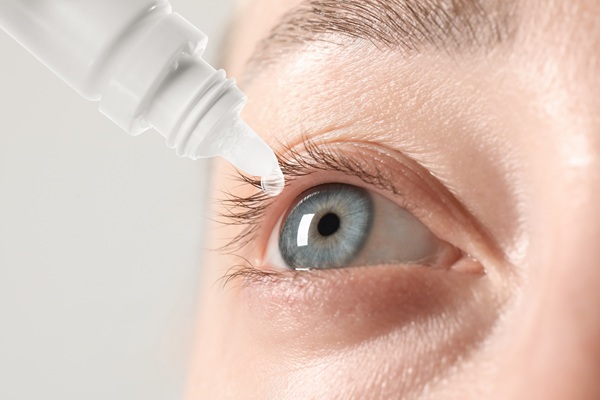
Dry eye treatment options range from simple artificial tears to sophisticated in-office technologies, and choosing the most effective approach starts with a clear understanding of why the tear film loses stability. An optometrist evaluates tear quantity, lipid balance, and ocular-surface integrity to build a personalized plan that restores comfort and sharp vision. An individualized strategy is essential for predictable relief because dryness may appear as mild grittiness, redness, fluctuating focus, or burning.
How the tear film functions
The tear film is a three-layered shield that coats the cornea and nourishes surface cells. A watery middle layer delivers hydration, while an outer oil layer slows evaporation, and an inner mucin layer anchors moisture evenly. When any layer weakens, exposed nerve endings trigger irritation and reflex tearing. Identifying which component fails directs dry eye treatment toward supplements replacing missing fluid, simulating oil release, or improving mucin quality.
Grading severity before selecting therapy
Optometrists rely on symptom questionnaires, slit-lamp inspection, tear-break-up time, and meibography imaging to classify dryness as mild, moderate, or severe. Mild discomfort often responds to preservative-free artificial tears used three to four times daily. Moderate cases may call for thicker gel drops, nightly ointments, or omega-3 supplementation to strengthen the oil layer. Severe dryness, especially when inflammatory markers or corneal staining appear, prompts prescription-strength intervention. Accurate grading ensures that dry eye treatment intensity matches physiologic need— neither over- nor under-treating the ocular surface.
Home-based relief strategies
Small lifestyle adjustments frequently provide the first layer of defense. Raising indoor humidity with a bedside humidifier, positioning computer screens slightly below eye level, and following the 20-20-20 rule—looking twenty feet away for twenty seconds every twenty minutes—slow tear evaporation during digital tasks. Warm compresses liquefy meibum within the eyelid gland, allowing oils to flow across the tear film. Hypochlorous-acid lid sprays remove bacteria and debris that block gland openings. When incorporated consistently, these measures build a healthy baseline that supports more advanced dry eye treatment modalities.
Prescription medications and devices
If over-the-counter options give limited relief, prescription therapy targets inflammation and tear conservation. Topical cyclosporine and lifitegrast modulate immune responses that inhibit aqueous production; vehicle secretagogue drops encourage glands to release additional fluid. The optometrist inserts punctual plugs into tear-drainage ducts, conserving existing tears by reducing outflow. Where aqueous and lipid layers struggle, serum eye drops derived from the patient's blood deliver growth factors that accelerate surface healing.
In-office technologies further expand dry eye treatment capabilities. Thermal pulsation devices apply gentle heat and massage to unclog meibomian glands in a single session. Intensed-pulse light (IPL) targets abnormal periocular vessels, reducing the use of photobiomodulation to rejuvenate gland tissue and enhance secretion quality. These procedures offer extended relief that often lasts months beyond the visit.
Nutrition and environmental support
Science Directs posted an article highlighting the connection between diet and tear stability. Foods rich in omega-3 fatty acids, like salmon, sardines, flaxseed, and walnuts, thicken the lipid layer and slow evaporation. Adequate hydration boosts aqueous volume while limiting caffeine and alcohol to prevent fluid depletion. Wraparound sunglasses shield the ocular surface from wind, dust, and ultraviolet radiation; smoke-free environments further protect delicate tissues. Combining these habits with clinical care creates a synergistic effect, amplifying any dry eye treatment results.
Collaborative follow-up with an optometrist
Consistent communication with the optometrist keeps progress on track. Symptom diaries that note burning, tearing, or blurry episodes guide drop-frequency adjustments. An optometrist will recommend follow-up exams to measure tear osmolarity, gland function, and staining patterns. If comfortable plateaus, the optometrist may layer additional therapies—moving from gels to prescription drops or introducing thermal pulsation— until stability returns. This stepwise, data-driven approach prevents overtreatment and ensures long-term success.
Weighing cost-convenience and lifestyle
Each dry eye treatment option carries practical considerations. Artificial tears cost little and fit any routine, yet require frequent application. Prescription drops demand consistent use and periodic refills but manage underlying inflammation efficiently. In-office technologies involve higher upfront investment yet deliver longer relief with minimal daily maintenance. A candid discussion about budget, schedule, and tolerance for ongoing care helps align therapy with personal priorities.
Schedule an appointment
Selecting the right dry eye treatment hinges on accurate diagnosis, layered intervention, and active partnership with an optometrist. When evaluation pinpoints which tear-film layer falls short, therapy can target that weakness through home care, nutritional support, prescription medication, or device-based procedures. Are you suffering from dry eye? Contact Texas Optical to schedule an appointment. Our team is here to help determine the most effective treatment method.
Request an appointment here: https://www.texasoptical.net or call Texas Optical at (214) 771-7333 for an appointment in our Dallas office.
Check out what others are saying about our services on Yelp: Read our Yelp reviews.
Recent Posts
Protecting vision in hazardous environments requires the use of specialized safety glasses to prevent injuries from flying debris, chemicals, or intense light. We offer a range of protective eyewear to ensure patients in Dallas maintain clear, safe vision across various environments. Whether working on a construction site or engaging in home improvement projects, selecting the…
Progressive lenses make it possible to see clearly at multiple distances without switching between pairs of glasses throughout the day. These lenses combine distance, intermediate, and near vision correction into one smooth design. An optometrist may recommend them when a patient needs glasses for reading, computer work, and driving all at the same time. Learning…
Seeking professional red eye treatment addresses the root cause of ocular irritation rather than merely masking symptoms with temporary, over-the-counter (OTC) solutions. While many people view a bloodshot appearance as a minor nuisance, redness in the eyes is often a primary signal of underlying health concerns. These issues range from simple environmental allergies to more…
Maintaining healthy eyes is an essential part of overall wellness. Therefore, scheduling regular optometry visits is an important step toward preserving clear, comfortable vision. These appointments do far more than determine whether a person needs glasses or contact lenses. They help assess both visual performance and the health of the internal and external eye structures.…