Children’s Optometrist
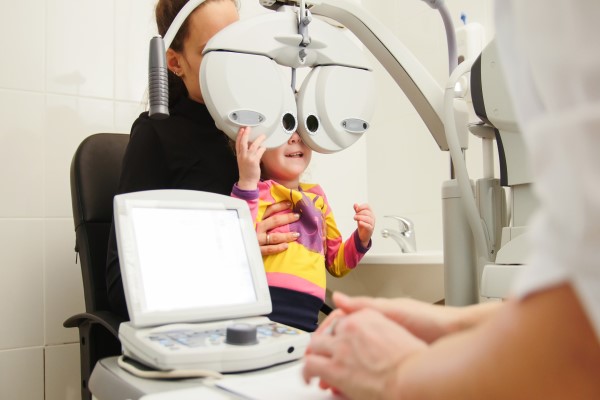
Wondering if you should choose a children's optometrist to find out if your child’s vision is as healthy as it can be? Unnoticed vision conditions in children can really get in the way of their ability to thrive in life.
In order for your child to reach their highest potential, they must have good vision. Undergoing a comprehensive eye exam is a great way for an experienced optometrist to detect any vision problems in your child.
What is a children’s optometrist?
Looking for a children's optometrist? Many parents who have young children choose to take their child to an optometrist for children to check their vision. All children should have their vision wellness checked on a regular basis. The sooner any vision-related problems are found the sooner they can be treated.
A children’s optometrist is an optometrist who has decided to focus on helping pediatric patients. In order to do this, they have undergone additional training to learn things like child development and learning-related vision problems.
According to the American Optometric Association, a child’s first exam should be somewhere in between six months and 12 months of age.
How does a children’s optometrist differ from a regular optometrist?
The main difference is that an optometrist for children uses different methods to get the information they need to make a proper diagnosis. Since an optometrist is not able to use some of their diagnostic tools on children, they have learned other methods for gathering the information they need. Some children are not able to talk yet or unwilling to talk, so these methods will allow for an understanding of where they are when it comes to their vision and acuity.
A children’s optometrist:
- Will use activities and games to capture their attention, as children have a very short attention span
- Is trained to spot certain behaviors and mannerisms that may be due to vision problems, like tilting their head when reading or the way they walk
- Gives children three different types of eye exams, which provides them the information they need to make a proper diagnosis
Why choose a children’s optometrist?
An optometrist for children is preferred because they are specifically trained in how to deal with children. They know how to make children feel comfortable, which means they know exactly what to do to make children feel relaxed and happy during their appointment. They know how to capture their attention, which is important when it comes to getting all of the information they need to make a proper diagnosis.
Need to schedule an appointment?
Seeing a children's optometrist on a regular basis is an essential part of making sure that your child is healthy. This is especially true as it can be difficult for children to tell whether or not they are seeing things as clearly as they are supposed to.
There are also certain eye-related diseases that are more prone to children. These diseases need to be addressed as soon as possible in order to expect optimal results. A basic comprehensive vision exam for children only lasts about one hour, a small amount of time to ensure your child’s vision is in good health.
Request an appointment here: https://www.texasoptical.net or call Texas Optical at (214) 771-7333 for an appointment in our Dallas office.
Check out what others are saying about our services on Yelp: Children's Optometrist in Dallas, TX.
Recent Posts
Optometrist examinations include a careful evaluation of the back of the eye, as this area provides valuable information about vision, eye health, and overall wellness. While many people expect an eye exam to focus only on vision correction, a comprehensive evaluation often extends far beyond determining a prescription for glasses or contact lenses. Examining the…
Emergency eye care helps protect vision when sudden symptoms, injuries, or infections require prompt evaluation from an eye care professional. Some eye problems may seem minor at first, but changes in vision, pain, swelling, or trauma can indicate conditions that require same-day attention. Knowing when to seek urgent help can help you receive the immediate…
Have you noticed spots, threads, or cobweb-like shapes in your field of vision? A proactive approach to vision care right now is the most effective way to safeguard your long-term eye health and peace of mind. Floaters can be very irritating, but simple lifestyle choices and regular checkups make a massive difference. Here is what…
Glaucoma treatment can help protect vision, especially when started early. Glaucoma is a group of eye conditions that can damage the optic nerve, which carries visual information from the eye to the brain. Early glaucoma often develops without obvious symptoms; therefore, partnering with an optometrist through regular screenings can help detect changes before vision loss…