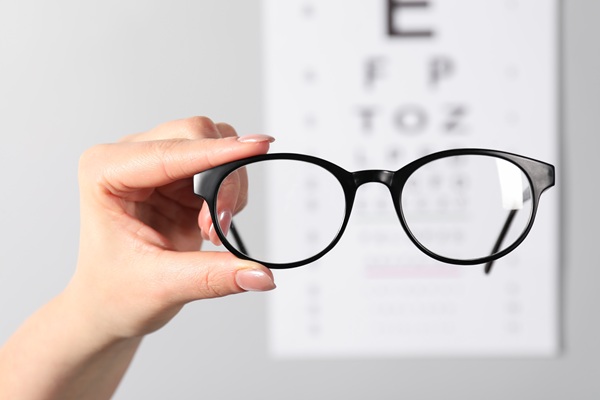
Benefits of a Vision Test from an Optometrist

Visiting an optometrist for a vision test is an important first step in protecting one of your most valuable assets —your eyesight. A professional assessment is key whether you are concerned about changes in your eyesight or addressing potential eye health issues. Discover the many benefits of scheduling a vision test and how it can improve your sight and quality of life.
What happens during a vision test
A vision test usually takes about an hour and involves several assessments depending on the patient. The test usually starts with discussing the patient's health and any issues they have with their vision. The appointment may include the following assessments:
- Visual acuity. The patient reads letters from a special chart
- Visual fields. Check for blind spots and peripheral vision
- Eye muscles. The patient follows a target with just their eyes
- Intraocular pressure. Measures pressure inside eyes
- Slit-lamp exam. The eye is examined with a microscope
- Ophthalmoscopy. Examination of structures in the back of the eyes
- Corneal topography. Test for astigmatism
The optometrist may also do a refraction test, an assessment where the provider uses a computer to determine a patient's prescription for corrective lenses.
The importance of eye health monitoring
A vision test measures how well someone can see and provides an in-depth look at eye health. Optometrists not only check for signs of eye diseases, but also they may detect symptoms of other medical conditions, such as diabetes, high blood pressure, and even certain neurological disorders. Routine vision tests are essential for ongoing eye health as monitoring as changes in vision may indicate the need for adjustments to corrective lenses or further medical evaluation. Regular appointments help address issues promptly, helping maintain long-term eye health.
Key benefits of a vision test
Early detection of vision problems
Early detection is key to successful treatment of many vision problems. The longer certain eye issues are left untreated, the greater they can impact daily life. An optometrist can identify and treat conditions such as:
- Nearsightedness
- Farsightedness
- Astigmatism
- Cataracts
- Glaucoma
- Macular degeneration
Early intervention can prevent these conditions from worsening and, in some cases, even preserve vision. Children, in particular, benefit from regular vision tests as their eyes are still developing, and treatment can help boost their performance in school.
Convenience and accessibility
Scheduling a vision test with an optometrist is straightforward, and many clinics offer flexible hours to accommodate busy lifestyles. Advanced technology makes the testing process faster and more accurate, reducing discomfort and minimizing time spent in the exam chair. Also, many optometrists care for patients of all ages, making scheduling appointments easier for families. Comprehensive vision care is readily accessible, ensuring patients can prioritize eye health without stress or inconvenience.
Customized treatment options
During a vision test, an optometrist assesses a patient's unique visual needs and lifestyle to recommend the best treatment options. For example, someone who spends long hours in front of a computer might benefit from lenses designed to reduce eye strain. Also, athletes may need specialty lenses that enhance performance and protect their eyes during physical activities.
For those who prefer contact lenses, a vision test ensures the lenses fit properly and provide optimal comfort. If refractive surgery is an option, an optometrist can discuss the procedure and determine if the patient is a good candidate. Every recommendation is customized to enhance vision and overall eye health.
Improved quality of life
Clear vision improves productivity at work, enhances safety when driving, and makes everyday tasks more manageable, helping to enhance one's personal and professional life. A professional vision test ensures a patient receives the correct glasses or contact lenses prescription. For children and students, better vision can improve performance in school and extracurricular activities.
Adults who rely on precise vision for their careers, such as those working in technology or the arts, also benefit greatly from the clarity a vision test provides. Additionally, seniors can maintain their independence longer when their vision is optimized. Seeing an optometrist for a vision test means receiving personalized care tailored to one's specific needs, profoundly impacting quality of life.
Invest in your future vision health
Whether visiting an optometrist for the first time or returning for a routine check-up, a vision test is an investment in your future. By seeing an optometrist regularly, you can access personalized care and early detection of potential eye issues. By scheduling your vision test today, take the first step toward better vision and healthier eyes.
Request an appointment here: https://www.texasoptical.net or call Texas Optical at (214) 771-7333 for an appointment in our Dallas office.
Check out what others are saying about our services on Yelp: Read our Yelp reviews.
Recent Posts
A contact lens exam addresses different questions than a standard eye exam. It evaluates the cornea, lids, and tear film, then matches lens materials and designs to vision needs and eye health. Lenses sit directly on the eye, so small details such as curvature, diameter, and oxygen flow influence comfort, clarity, and safety. An optometrist…
Standard vision tests, or eye exams, help ensure accurate prescriptions for glasses and support long-term eye health for people who wear corrective lenses. Even small prescription changes can affect headaches, screen comfort, and night driving clarity. Eye exams also screen for conditions that may not present with early symptoms, making routine testing an important habit.…
Pediatric eye care is the key to clear vision and confident learning that starts in childhood. Unfortunately, even minor vision problems can negatively affect reading, coordination, and classroom focus. Many parents come to realize how common it is for children to pass quick screenings yet struggle with focusing, eye strain, or fatigue during schoolwork. A…
The selection of eyewear feels significantly easier when the styles and craftsmanship of Versace eyewear enters the conversation, since bold lines and iconic detailing create an instantly recognizable look. Versace represents the intersection of Italian fashion and Greek mythos, blending confident glamour with symbolism through its signature Medusa logo. The brand is widely associated with…