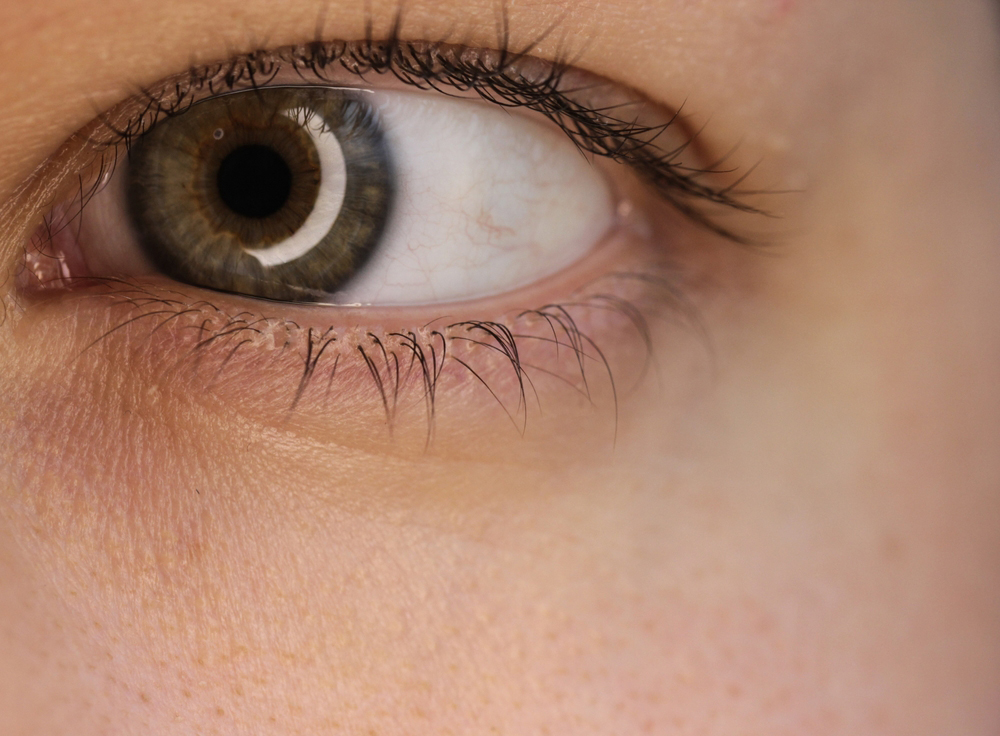
Have you been referred for a diabetic eye exam? Read on to learn more about what is involved in this type of exam. Diabetes is a prominent cause of severe vision loss, making it important for patients to have a regularly scheduled diabetic eye exam. Unfortunately, diabetes may be the cause of many vision issues that impact people at different points in their life, and the sooner that is identified, the quicker a treatment plan can be put in place. It is generally recommended that diabetic patients undergo a diabetic eye exam at least once a year.
An overview of the diabetic eye exam
Diabetes is a condition that affects the body’s capacity to generate the insulin hormone, resulting in high blood glucose levels (sugar). Eye issues such as impaired vision, cataracts, glaucoma, and diabetic retinopathy can all be caused by sustained high blood sugar levels for a long time.
Diabetes frequently causes damage to the tiny blood vessels in the retina or back of the eye. Diabetic retinopathy, the most frequent cause of vision loss in diabetics, is the name for this disease. When blood vessels in the eye are exposed to high blood glucose levels for an extended length of time, diabetic retinopathy develops. The walls of the blood vessels in the eyes get weaker as a result of this. Having diabetes and prolonged high blood glucose exposure increases the chances of developing this disease.
During a routine ophthalmological examination, the eye doctor can detect the alterations associated with diabetic retina disease (also known as “retinopathy”). The blood arteries are most affected by these alterations. There might be minimal bleeding or hemorrhaging, aneurysms, scarring, or inadequate blood flow in some regions. If a general ophthalmologist notices a problem with the retina, they will refer the patient to a retina specialist.
Diabetic eye disease is no longer a blinding illness if diagnosed early. Medical professionals can now help their patients avoid vision loss and, in some circumstances, correct certain diabetic abnormalities in the retina by detecting them early and treating them promptly. The ophthalmologist will educate their patients about diabetes and how it impacts their vision.
Often, they will try to discover methods to optimize blood sugar and blood pressure control by collaborating with the primary care physician, endocrinologist, and the patient themselves. These two risk factors, as well as others, are something patients can control. The objective is to keep them seeing well and enjoying healthier lives with proper guidance. Patients diagnosed with diabetes need to get frequent diabetic eye exams so the doctor can catch issues like diabetic retinopathy early and preserve their eyesight.
What happens during a diabetic eye exam
Regular eye exams are recommended for anybody with diabetes. This allows the ophthalmologist to check for abnormalities in the retina’s blood vessels, which might suggest diabetic retinopathy. During a diabetic eye exam, the doctor will take the patient’s medical and visual history and have the patient read an eye chart.
The doctor will then use a tool called an ophthalmoscope to examine the retina in the back of the eye. Patients will most likely get medications to dilate their pupils so the doctor can examine their retina using a slit lamp. Fluorescein angiography, a test that can identify changes in the structure and function of the retinal blood vessels, is one option. The doctor will also examine the eyes for cataracts and glaucoma during a diabetic eye exam.
The recommended frequency of diabetic eye exams
The following are some recommendations that the American Diabetes Association advises for diabetic eye exams:
- Patients diagnosed with type 1 diabetes should have a dilated retinal exam within the first five years following their diagnosis, and yearly screenings afterward
- Patients diagnosed with type 2 diabetes should get a dilated retinal test done as soon as possible. Since around 20% of diabetic patients already have visual issues when they are diagnosed, it is essential to undergo early screening. The primary care physician will be able to advise on the frequency of dilated retinal exams and whether to schedule one every two or three years
- A thorough eye exam is highly recommended for pregnant women and those considering becoming pregnant. Each year, between two and 10% of pregnancies are affected by gestational diabetes, which is a kind of diabetes that develops during pregnancy. A diabetic pregnant woman should get a dilated eye exam no later than the end of the first trimester of her pregnancy and again one year after childbirth
The bottom line
An experienced ophthalmologist can assist if you have been diagnosed with diabetic retinopathy following a diabetic eye exam. To learn more reach out to our office today.
Get more information here: https://www.texasoptical.net or call Texas Optical at (214) 771-7333
Check out what others are saying about our services on Yelp: Read our Yelp reviews.
Recent Posts
Emergency eye care helps protect vision when sudden symptoms, injuries, or infections require prompt evaluation from an eye care professional. Some eye problems may seem minor at first, but changes in vision, pain, swelling, or trauma can indicate conditions that require same-day attention. Knowing when to seek urgent help can help you receive the immediate…
Have you noticed spots, threads, or cobweb-like shapes in your field of vision? A proactive approach to vision care right now is the most effective way to safeguard your long-term eye health and peace of mind. Floaters can be very irritating, but simple lifestyle choices and regular checkups make a massive difference. Here is what…
Glaucoma treatment can help protect vision, especially when started early. Glaucoma is a group of eye conditions that can damage the optic nerve, which carries visual information from the eye to the brain. Early glaucoma often develops without obvious symptoms; therefore, partnering with an optometrist through regular screenings can help detect changes before vision loss…
Protecting vision in hazardous environments requires the use of specialized safety glasses to prevent injuries from flying debris, chemicals, or intense light. We offer a range of protective eyewear to ensure patients in Dallas maintain clear, safe vision across various environments. Whether working on a construction site or engaging in home improvement projects, selecting the…