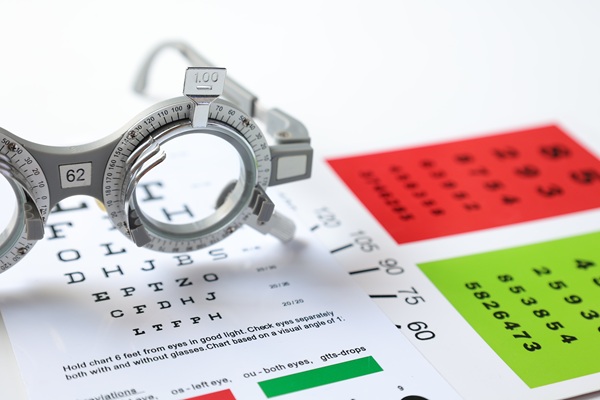
A myopia optometrist can help manage and slow the progression of nearsightedness, especially in children and young adults. Nearsightedness, or myopia, causes distant objects to appear blurry while close-up vision remains clear. Without proper care, myopia can worsen over time, leading to higher prescriptions and an increased risk of eye health problems.
Causes of myopia
Myopia occurs when the eye grows too long, or the cornea is too curved, causing light to focus in front of the retina instead of directly on it. This leads to blurred distance vision. Several factors can contribute to the development of myopia.
Genetics
Genetics plays a significant role in determining eye shape and growth, influencing the likelihood of nearsightedness. If both parents have myopia, the risk of their child developing it increases even more compared to children with only one nearsighted parent.
Screen Time and Close-Up Work
Spending long hours on screens, reading, or doing other near work can strain the eyes and contribute to myopia progression. Encouraging regular breaks, proper lighting, and a balanced mix of indoor and outdoor activities can help reduce the impact of screen time on eye health.
Lack of Outdoor Time
Research has suggested that children who spend more time outdoors may have a lower risk of developing myopia. The British Journal of Ophthalmology found that two or more hours per day of outdoor activity was associated with a protective effect against myopia progression.
Myopia often begins in childhood and tends to worsen during school years when children spend more time reading, studying, and using digital devices.
Why myopia control is important
Managing myopia is important to prevent higher prescriptions and reduce the risk of serious eye conditions later in life. If myopia progresses too much, it can increase the likelihood of conditions including retinal detachment, glaucoma, cataracts, and macular degeneration. A myopia optometrist can provide treatment options that help slow down myopia progression, protecting long-term eye health and reducing dependency on stronger glasses or contact lenses.
Myopia control treatment options
There are several effective treatments available to help slow the progression of myopia. A myopia optometrist will recommend the best option based on age, lifestyle, and the severity of nearsightedness.
Orthokeratology (Ortho-K) lenses
Ortho-K lenses are special rigid contact lenses worn overnight to reshape the cornea gently. The lenses are removed in the morning, allowing for clear vision throughout the day without glasses or contact lenses.
Benefits of Ortho-K include:
- Slowing the progression of myopia
- Providing clear daytime vision without corrective lenses
- Being a non-surgical alternative to laser vision correction
Ortho-K is especially popular for children and teenagers who want freedom from daytime glasses or contact lenses.
Atropine eye drops
Low-dose atropine eye drops are another option for slowing myopia progression. These drops are applied once a day and work by relaxing the eye's focusing mechanism. Benefits of atropine drops include:
- Effectively slowing the progression of myopia
- Being easy to use
- Having minimal side effects with low-dose formulas
A myopia optometrist may recommend atropine drops as a standalone treatment or combined with other methods.
Specialized myopia control lenses
Some eyeglass lenses and contact lenses are designed specifically for myopia control. These lenses help reduce strain on the eyes and slow down the elongation of the eyeball.
There are two types of myopia control lenses. Multifocal contact lenses provide different focusing powers to slow myopia progression. Myopia-control eyeglasses use certain lenses, such as those with defocus technology, to help slow the worsening of nearsightedness. These options provide clear vision while also addressing myopia progression.
Lifestyle changes for myopia control
In addition to treatment options, lifestyle changes can also help slow the progression of myopia. A myopia optometrist may recommend:
More outdoor time
Spending at least 90 minutes outside daily can help reduce myopia progression risk.
Taking breaks from screens
Following the 20-20-20 rule (looking 20 feet away for 20 seconds every 20 minutes) can reduce eye strain.
Proper lighting
Ensuring good lighting when reading or using digital devices helps reduce stress on the eyes.
Combining these habits with professional treatment can lead to better long-term vision outcomes.
When to see a myopia optometrist
Early intervention is key to slowing myopia progression. Parents should schedule an eye exam if a child:
- Squints frequently when looking at distant objects
- Complains of blurry vision, headaches, or eye strain
- Holds books or screens very close to the face
- Struggles to see the board at school
Regular eye exams allow a myopia optometrist to monitor vision changes and recommend treatments before myopia worsens.
Protecting vision for the future
Managing myopia is essential for long-term eye health. A myopia optometrist can provide customized treatment options to slow progression and improve vision. With early intervention, proper care, and lifestyle adjustments, nearsightedness can be controlled, helping to maintain clearer vision long term.
Request an appointment here: https://www.texasoptical.net or call Texas Optical at (214) 771-7333 for an appointment in our Dallas office.
Check out what others are saying about our services on Yelp: Read our Yelp reviews.
Recent Posts
A contact lens exam addresses different questions than a standard eye exam. It evaluates the cornea, lids, and tear film, then matches lens materials and designs to vision needs and eye health. Lenses sit directly on the eye, so small details such as curvature, diameter, and oxygen flow influence comfort, clarity, and safety. An optometrist…
Standard vision tests, or eye exams, help ensure accurate prescriptions for glasses and support long-term eye health for people who wear corrective lenses. Even small prescription changes can affect headaches, screen comfort, and night driving clarity. Eye exams also screen for conditions that may not present with early symptoms, making routine testing an important habit.…
Pediatric eye care is the key to clear vision and confident learning that starts in childhood. Unfortunately, even minor vision problems can negatively affect reading, coordination, and classroom focus. Many parents come to realize how common it is for children to pass quick screenings yet struggle with focusing, eye strain, or fatigue during schoolwork. A…
The selection of eyewear feels significantly easier when the styles and craftsmanship of Versace eyewear enters the conversation, since bold lines and iconic detailing create an instantly recognizable look. Versace represents the intersection of Italian fashion and Greek mythos, blending confident glamour with symbolism through its signature Medusa logo. The brand is widely associated with…