5 Signs You May Need a Vision Test From an Optometrist
Think you might need a vision test? Read on to learn more. Vision is an element of our everyday routine and impacts exactly how we relate to the world. Nevertheless, these changes in eyesight are usually subtle and gradually decrease the quality of life without notice. These changes can be detected with regular vision tests. It may also reveal signs of underlying problems like hypertension and diabetes, making them a crucial component of medical care.
5 Reasons you may need a vision test
Eye health is crucial for overall health but is usually neglected until an issue occurs. A comprehensive eye examination is the basis for proactive vision care. Signs to get a vision test in the optometrist's office include:
1. Blurry vision
This is one of the most common red flags of eyesight deterioration. One's sight becomes less sharp when looking at objects close up or in the distance, or sometimes, everything simply appears less crisp overall. This blurriness might signal refractive errors like nearsightedness, farsightedness, or astigmatism which may be remedied with glasses or contacts. Nevertheless, chronic blurriness might suggest more severe eye diseases including macular degeneration or even cataracts. Hence, eye checkups are important for early detection and treatment.
2. Headaches
Eye strain could cause unexplained and persistent headaches following prolonged visual tasks including reading, computer work, or long focus periods. This demonstrates the need for a vision evaluation to rule out an incorrect or outdated eyeglass and contact lens prescription. An optometrist might suggest methods to lessen digital eye strain and improve visual comfort.
3. Eye fatigue or strain
Eyes that are dry, tired, itchy, or sore after everyday activities could be under stress. This oftentimes occurs when we spend way too much time staring at screens, reading in low light, or even driving long distances. An eye examination might reveal the source of the discomfort. Common causes include dry eyes and refractive errors. The optometrist will suggest ways to ease the pain and improve everyday vision.
4. Difficulty with night vision
Patients who have trouble seeing clearly in dark light, particularly at night, might be distressed. One might find it hard to recognize street signs, see pedestrians, or judge distances in the dark, which can be a safety concern. They might be because of age, eye conditions, or side effects of some medications. Do not ignore these signs. A comprehensive eye exam can help determine the cause and solutions.
5. Squinting
Squinting is a reflex reaction that lets people see clearly when things seem blurry. By narrowing the eyelids, one can temporarily alter how light enters the eye, making things look sharper for a short time. It might seem harmless, but it might suggest a vision issue. Eye examinations could reveal the reason for blurred vision. This will reduce the need to squint and could keep good eye health over time.
What happens during a comprehensive eye exam
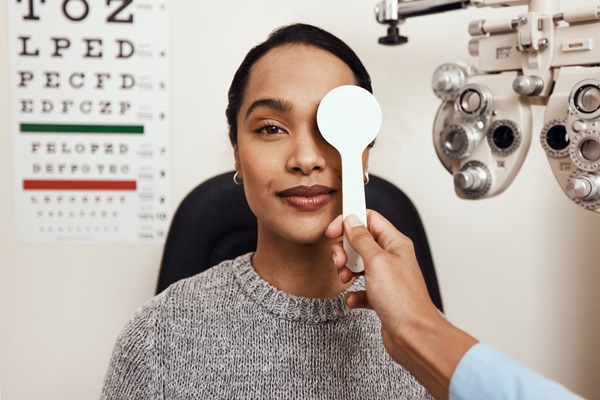
A comprehensive eye examination will evaluate the eyes and visual capabilities. Unlike simple vision screenings which measure how well an individual can see from a particular distance, comprehensive eye exams go a lot deeper. These examinations are performed by optometrists or ophthalmologists and could uncover hidden eye diseases and issues that would not appear in a regular eye examination.
These include a visual acuity test, refraction assessment, eye muscle test, peripheral vision test, and intraocular pressure test. These tests allow the eye doctor to see how well the patient can read, the proper lens prescription, the clarity of their visual field, and the level of fluid pressure in the eyes.
Patients require regular vision testing to keep their eyes healthy. They keep the glasses or contact lens prescription current and detect common eye diseases including glaucoma, cataracts, and macular degeneration early. They must be detected early to stay away from more serious stages.
Vision tests as preventive health measures
Comprehensive eye examinations can also be a window into one's health. Eye doctors see signs of systemic health issues like hypertension and diabetes long before other symptoms appear. The eyes may display changes indicating these conditions via bleeding or swelling of the retina, which might prompt early intervention and management of the underlying health issues.
In conclusion
You should take proactive measures for your eye health and well-being. A vision test has become more available and more helpful than ever thanks to advances in eye treatment technology. Taking care of your eyes is an investment in your health. The signs above are indications to see an optometrist. In case you spot any of these signs, you should schedule that vision test. Getting regular eye exams helps keep your vision clear, your worldview clear, and prevent future health issues.
Get more information here: https://www.texasoptical.net or call Texas Optical at (214) 771-7333
Check out what others are saying about our services on Yelp: Read our Yelp reviews.
Recent Posts
Protecting vision in hazardous environments requires the use of specialized safety glasses to prevent injuries from flying debris, chemicals, or intense light. We offer a range of protective eyewear to ensure patients in Dallas maintain clear, safe vision across various environments. Whether working on a construction site or engaging in home improvement projects, selecting the…
Progressive lenses make it possible to see clearly at multiple distances without switching between pairs of glasses throughout the day. These lenses combine distance, intermediate, and near vision correction into one smooth design. An optometrist may recommend them when a patient needs glasses for reading, computer work, and driving all at the same time. Learning…
Seeking professional red eye treatment addresses the root cause of ocular irritation rather than merely masking symptoms with temporary, over-the-counter (OTC) solutions. While many people view a bloodshot appearance as a minor nuisance, redness in the eyes is often a primary signal of underlying health concerns. These issues range from simple environmental allergies to more…
Maintaining healthy eyes is an essential part of overall wellness. Therefore, scheduling regular optometry visits is an important step toward preserving clear, comfortable vision. These appointments do far more than determine whether a person needs glasses or contact lenses. They help assess both visual performance and the health of the internal and external eye structures.…