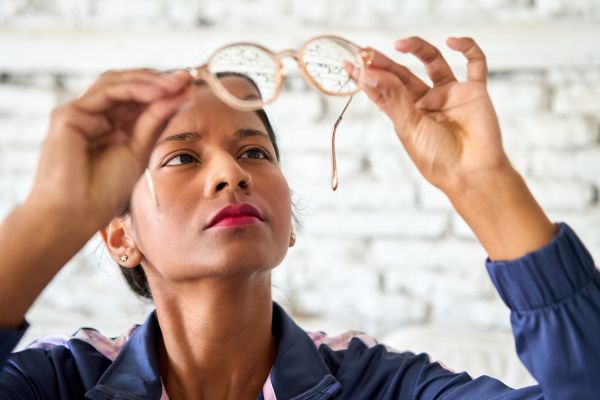
Why You Should Visit an Optometrist in Dallas
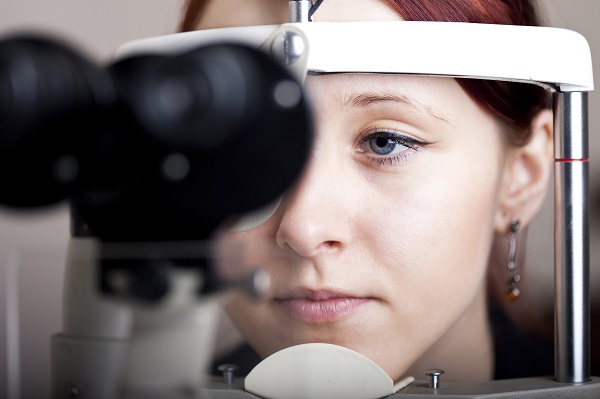
Although most understand the importance of eye health, all too many neglect visiting the optometrist on a consistent basis. It is important not to wait until vision complications develop to visit the optometrist, and there are actually numerous benefits to regular eye exams and checkups.
Reasons to visit an optometrist
By fully understanding why you should visit an optometrist, you can become further motivated to follow through with your next scheduled eye exam, regardless of if you experience any issues or not. The following are three reasons to visit an optometrist in Dallas.
Better vision
The first and most obvious consideration for visiting an optometrist in Dallas is to ensure that a patient's vision is where it should be. The better their eyesight, the better one can function every day. Improved vision allows the person to focus better and to be more sharp at all times. Anyone who suffers from poor vision — namely farsightedness, nearsightedness or double vision — should strongly consider a trip to the optometrist as it can prove to be very beneficial, giving a patient the opportunity to improve their vision through glasses, contacts or perhaps even Lasik surgery.
Detect eye conditions early
Eye diseases can be tricky, and early signs and symptoms can be easy to miss. An optometrist in Dallas, however, can conduct a thorough eye exam and knows precisely what signs to look for in more serious eye conditions such as glaucoma, cataracts and macular degeneration. The sooner an optometrist can diagnose eye disease and more serious eye conditions, the easier they are to treat, whereas late detection can lead to blind spots in vision or blindness. While it is encouraged for everyone to visit the optometrist a minimum of once every other year, those with a family history of eye disease may need more frequent visits to ensure that any complications are detected early.
Improve general health
One reason people undervalue the importance of consistent visits to the optometrist is that they are under the impression that it is only about eye health. However, an optometrist in Dallas can also check for signs of other general health complications as well, including conditions such as brain tumors, high blood pressure and diabetes. Additionally, visiting the optometrist can help improve the way patients feel every day, which makes them more effective at work, less tired after a long day and simply happier at all times. When vision is at its best, the chance of suffering from fatigue, headaches and a lack of productivity is at a minimal level.
Talk to an optometrist in Dallas today
Instead of letting poor vision or other eye complications affect your ability to function or feel good every day, visit an optometrist in Dallas to ensure that all is well and improve any eye issues you experience. Both minor and serious eye concerns can develop with little warning, so be sure to stay up to date with eye exams and get the care you need before any issues worsen or linger for longer than necessary.
Request an appointment here: https://www.texasoptical.net or call Texas Optical at (214) 771-7333 for an appointment in our Dallas office.
Check out what others are saying about our services on Yelp: Read our Yelp reviews.
Recent Posts
Protecting vision in hazardous environments requires the use of specialized safety glasses to prevent injuries from flying debris, chemicals, or intense light. We offer a range of protective eyewear to ensure patients in Dallas maintain clear, safe vision across various environments. Whether working on a construction site or engaging in home improvement projects, selecting the…
Progressive lenses make it possible to see clearly at multiple distances without switching between pairs of glasses throughout the day. These lenses combine distance, intermediate, and near vision correction into one smooth design. An optometrist may recommend them when a patient needs glasses for reading, computer work, and driving all at the same time. Learning…
Seeking professional red eye treatment addresses the root cause of ocular irritation rather than merely masking symptoms with temporary, over-the-counter (OTC) solutions. While many people view a bloodshot appearance as a minor nuisance, redness in the eyes is often a primary signal of underlying health concerns. These issues range from simple environmental allergies to more…
Maintaining healthy eyes is an essential part of overall wellness. Therefore, scheduling regular optometry visits is an important step toward preserving clear, comfortable vision. These appointments do far more than determine whether a person needs glasses or contact lenses. They help assess both visual performance and the health of the internal and external eye structures.…