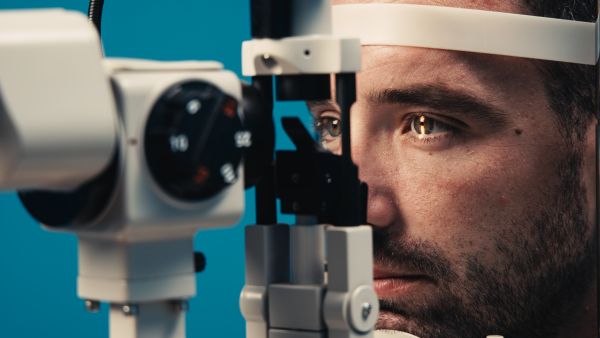
Why an Optometrist Looks at the Back of the Eye

Optometrist examinations include a careful evaluation of the back of the eye, as this area provides valuable information about vision, eye health, and overall wellness. While many people expect an eye exam to focus only on vision correction, a comprehensive evaluation often extends far beyond determining a prescription for glasses or contact lenses. Examining the retina, optic nerve, and blood vessels helps detect changes that may not cause noticeable symptoms. A thorough examination allows an optometrist to identify concerns before they begin to affect vision or quality of life.
When the optometrist considers the back of the eyes
The back portion of the eye includes several important structures that work together to process visual information. The retina captures light and converts it into signals that travel through the optic nerve to the brain. Blood vessels nourish these tissues, while the macula supports detailed central vision needed for reading, driving, and recognizing faces.
Since these structures play such an important role in vision, even subtle changes warrant careful attention, making routine visits to the optometrist vital to help ensure they continue to function as they should.
Detecting eye diseases early
Many eye diseases develop gradually and produce few warning signs during the early stages. Conditions such as glaucoma, macular degeneration, and diabetic retinopathy may progress without causing pain or obvious vision changes. By the time symptoms appear, permanent vision loss may have already occurred. During routine examinations, the optometrist carefully examines the back of the eye for early evidence of these conditions. Identifying changes sooner often allows treatment or ongoing monitoring to begin before significant damage develops.
Monitoring the optic nerve
As mentioned above, the optic nerve carries visual information from the eye to the brain. Its appearance provides valuable clues about overall eye health and may reveal early signs of glaucoma or other neurological conditions. During an examination, the optometrist evaluates the color, shape, and size of the optic nerve and looks for changes that warrant further attention. This routine monitoring makes even subtle differences easier to identify over time. Comparing current findings with previous examinations helps track long-term eye health and supports timely intervention when necessary.
Evaluating the retinal blood vessels
The blood vessels inside the eye often reflect changes occurring throughout the body. High blood pressure, diabetes, and other systemic conditions may alter the appearance of these vessels before noticeable symptoms develop elsewhere. Careful observation provides the optometrist valuable information that supports both eye health and overall wellness. Although an eye examination does not replace routine medical care, findings at the back of the eye sometimes prompt additional evaluation by a primary care physician or specialist, making early recognition beneficial to both vision and general health.
Using advanced technology for a closer look
Modern eye care relies on advanced diagnostic technology to provide highly detailed images of the retina and optic nerve. Digital retinal photography and optical coherence tomography allow an optometrist to document eye health with exceptional precision. These images create a valuable baseline for future comparisons and help identify even subtle changes over time.
Moreover, depending on the patient's needs, the optometrist may need to dilate the patient's pupils. Dilation provides a wider view of the retina and allows the optometrist to examine areas that remain difficult to evaluate through an undilated pupil. Note that this step is not required for every patient, every time, but the optometrist uses it before imaging and usually lets patients know whether they need a ride home or appropriate aftercare.
Who benefits from regular retinal evaluations?
Everyone benefits from comprehensive eye examinations, but certain individuals may require closer monitoring because of their personal risk factors. Regular retinal evaluations become especially important for people with:
- Diabetes or high blood pressure
- A family history of glaucoma or retinal disease
- Increasing age or age-related vision concerns
- High levels of nearsightedness
- A history of eye injury or previous eye disease
Routine examinations allow an optometrist to monitor these patients closely and recommend appropriate follow-up care when necessary.
Protecting vision through preventive care
Many serious eye conditions become much easier to manage when detected early. Regular visits with an optometrist provide opportunities to monitor vision changes, evaluate overall eye health, and identify developing concerns before they interfere with everyday activities. Preventive care also helps preserve healthy vision throughout every stage of life. Note that even those who see clearly may benefit from routine eye examinations because, as mentioned, many conditions develop silently. Consistent monitoring supports long-term eye health and helps protect one of the body's most valuable senses.
Schedule a consultation
Looking at the back of the eye allows an optometrist to evaluate much more than vision alone. Regular comprehensive eye examinations remain one of the most effective ways to preserve healthy eyesight throughout life. Call our office for more information or to schedule a comprehensive eye evaluation.
Request an appointment here: https://www.texasoptical.net or call Texas Optical at (214) 771-7333 for an appointment in our Dallas office.
Check out what others are saying about our services on Yelp: Optometrist in Dallas, TX.
Recent Posts
Emergency eye care helps protect vision when sudden symptoms, injuries, or infections require prompt evaluation from an eye care professional. Some eye problems may seem minor at first, but changes in vision, pain, swelling, or trauma can indicate conditions that require same-day attention. Knowing when to seek urgent help can help you receive the immediate…
Have you noticed spots, threads, or cobweb-like shapes in your field of vision? A proactive approach to vision care right now is the most effective way to safeguard your long-term eye health and peace of mind. Floaters can be very irritating, but simple lifestyle choices and regular checkups make a massive difference. Here is what…
Glaucoma treatment can help protect vision, especially when started early. Glaucoma is a group of eye conditions that can damage the optic nerve, which carries visual information from the eye to the brain. Early glaucoma often develops without obvious symptoms; therefore, partnering with an optometrist through regular screenings can help detect changes before vision loss…
Protecting vision in hazardous environments requires the use of specialized safety glasses to prevent injuries from flying debris, chemicals, or intense light. We offer a range of protective eyewear to ensure patients in Dallas maintain clear, safe vision across various environments. Whether working on a construction site or engaging in home improvement projects, selecting the…