How Diabetic Eye Exams Differ From Regular Exams
If you live with diabetes, staying on top of regular health checkups can feel like a full-time job. A diabetic eye exam is one of the most important tools available to help you prevent permanent vision loss and maintain your quality of life. While many people believe that a quick vision screening for new glasses is enough, this evaluation offers a deeper look into your eye health. Understanding the nuances between these two evaluations is paramount for long-term ocular health.
Regular vs. diabetic eye exams: more than a vision check
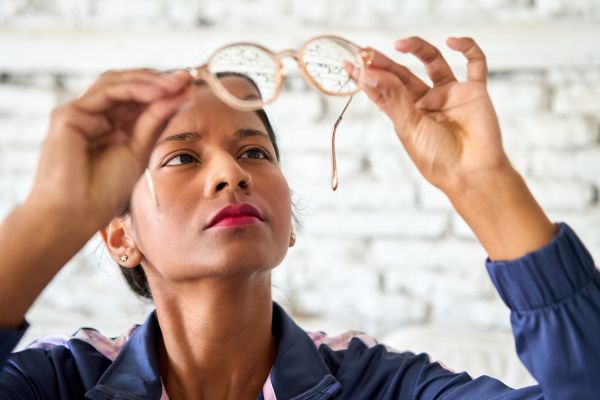
A standard eye examination is mainly designed to help people see better in their daily lives. The primary goal is to find the right prescription for glasses or contact lenses. During these visits, the optometrist checks for common refractive errors, such as farsightedness, nearsightedness, and astigmatism. While these appointments are ideal for updating a prescription, they do not provide the detailed medical data needed to manage a systemic condition like diabetes.
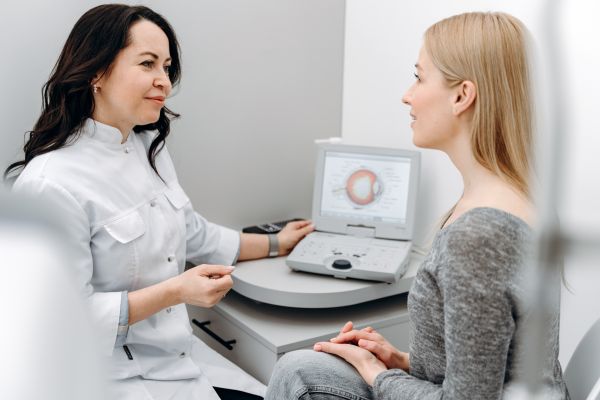
A diabetic eye exam serves a much different purpose. Instead of checking how well a person can read a chart, the optometrist looks for signs of damage caused by high blood sugar. Diabetes can affect the tiny, fragile blood vessels inside the eye long before a patient notices any change in their vision. Since these changes occur deep within the eye, specialized medical exams are the only way to detect them early.
Advanced diagnostic procedures
The technology used during a diabetic eye exam is more advanced than that used in a basic checkup. The goal is to see the microscopic details of the retina, so the optometrist uses specific imaging tools to monitor for disease. These tools include:
- Optical coherence tomography (OCT): This ultrasound-like tool uses light to see the different layers of the retina.
- Digital retinal imaging: High-resolution cameras establish a baseline map of the back of the eye to track changes over time.
- Visual field testing: This diagnostic procedure assesses areas of vision loss that the patient may not have noticed.
- Tonometry: A quick test that uses puffs of air to measure the pressure inside the eye to screen for glaucoma, a condition commonly associated with diabetes.
- Dilated fundus examination: The optometrist uses a special lens to look at the optic nerve and the blood vessels in detail.
- Fluorescein angiography: A dye test that highlights exactly where blood is flowing or leaking.
These diagnostic steps provide a baseline for the patient. By comparing these images year after year, the optometrist can see whether the disease is stable or if the patient needs a new treatment plan to save their sight.
The importance of pupil dilation
One key difference between a regular eye exam and a diabetic eye exam is the use of dilating eye drops. While regular exams may skip this step, dilation is essential for those with diabetes as it widens the pupil, allowing the optometrist to see more of the retina. Many diabetic complications occur in the outer retina, and dilation allows the doctor to look for small hemorrhages or abnormal blood vessels that could lead to retinal detachment if untreated.
Conditions that the optometrist is looking for
A diabetic eye exam focuses on the eye's vascular system, unlike a standard vision test. High glucose levels can weaken blood vessel walls, leading to serious conditions that need medical attention, such as:
- Diabetic retinopathy
- Macular edema
- Neovascularization
- Vitreous hemorrhage
- Glaucoma
- Early-onset cataracts
Each of these conditions can lead to permanent blindness if they are not caught in the early stages. Most people do not feel pain or notice blurry vision until the damage is already severe, which makes these annual screenings a lifesaver for the eyes and the patient's quality of life.
Long-term monitoring and prevention
Frequency is another difference between standard eye exams and diabetic eye exams. Most healthy adults only need to see an optometrist every two years. However, the standard of care for anyone with diabetes is at least one specialized exam per year. If the optometrist finds signs of retinopathy, they may suggest coming in every few months to monitor the condition.
Additionally, consistent monitoring allows the optometrist to recommend preventive treatments. If they detect a problem early, they can recommend special medications or minimally invasive procedures to stop the disease from progressing before it ruins the patient's vision. Remember: taking a proactive approach is more effective than trying to fix damage that has already occurred.
Schedule your next exam at our Dallas office
Taking care of your eye health is a vital part of managing your diabetes effectively. While a regular eye exam updates your lens prescription, a diabetic eye exam gives you the detailed medical information you need to keep your eyes healthy and clear for years to come. If you are due for your annual screening, contact our Dallas office today to schedule your next exam.
Request an appointment here: https://www.texasoptical.net or call Texas Optical at (214) 771-7333 for an appointment in our Dallas office.
Check out what others are saying about our services on Yelp: Diabetic Eye Exam in Dallas, TX.
Recent Posts
Protecting vision in hazardous environments requires the use of specialized safety glasses to prevent injuries from flying debris, chemicals, or intense light. We offer a range of protective eyewear to ensure patients in Dallas maintain clear, safe vision across various environments. Whether working on a construction site or engaging in home improvement projects, selecting the…
Progressive lenses make it possible to see clearly at multiple distances without switching between pairs of glasses throughout the day. These lenses combine distance, intermediate, and near vision correction into one smooth design. An optometrist may recommend them when a patient needs glasses for reading, computer work, and driving all at the same time. Learning…
Seeking professional red eye treatment addresses the root cause of ocular irritation rather than merely masking symptoms with temporary, over-the-counter (OTC) solutions. While many people view a bloodshot appearance as a minor nuisance, redness in the eyes is often a primary signal of underlying health concerns. These issues range from simple environmental allergies to more…
Maintaining healthy eyes is an essential part of overall wellness. Therefore, scheduling regular optometry visits is an important step toward preserving clear, comfortable vision. These appointments do far more than determine whether a person needs glasses or contact lenses. They help assess both visual performance and the health of the internal and external eye structures.…