How a Myopia Optometrist Can Also Help With Astigmatism
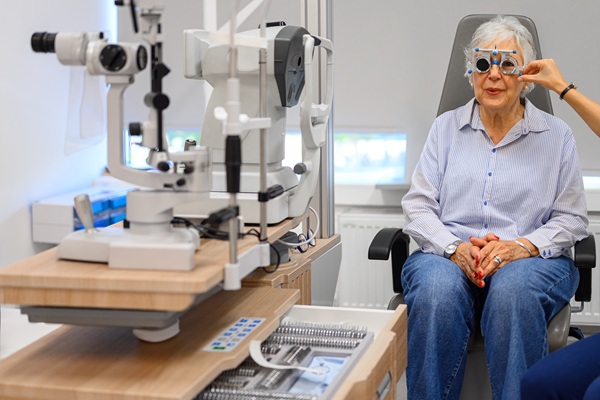
A myopia optometrist evaluates more than nearsightedness during a comprehensive eye exam, because blurred vision may also relate to astigmatism and how the eye focuses light. Both conditions can influence clarity at distance and near, and they sometimes occur together in the same prescription. When that overlap exists, a treatment plan should address each component to ensure vision correction remains comfortable and consistent. With the right testing and customization, many patients achieve sharper vision and better visual stability.
Understanding myopia and astigmatism together
Myopia occurs when light focuses in front of the retina, which typically causes distant objects to appear blurry. Astigmatism occurs when the cornea or lens has an irregular curvature, which can scatter light and distort vision at multiple distances. Instead of a single focal point, the eye forms two or more focal lines, which may lead to ghosting, letter stretching, or fluctuating sharpness.
A myopia optometrist frequently identifies astigmatism during the same refraction and corneal measurements used to quantify nearsightedness. Because these conditions often coexist, a single approach rarely fits every patient. A prescription may require spherical power for myopia and cylindrical power with an axis for astigmatism. If either piece is under-corrected, visual strain may persist even when a person technically “sees the chart.”
Signs that astigmatism may be part of the problem
Astigmatism does not always announce itself clearly. Many patients assume that blurred vision at night, headaches after screen time, or difficulty reading road signs are only due to myopia. A Myopia Optometrist looks for patterns that suggest astigmatism, especially when symptoms do not match the current glasses or contact lens prescription.
Common clues include:
- Blurred or distorted vision at both distance and near
- Squinting, eye fatigue, or headaches after visual tasks
- Halos, glare, or starbursts around lights, especially at night
These symptoms may also relate to dry eye, poor lens fit, or changes in focusing ability, which is why a detailed exam matters. Once the underlying cause is confirmed, treatment can be tailored to improve clarity and reduce visual stress.
How a comprehensive eye exam pinpoints both conditions
A myopia optometrist uses multiple tests to distinguish myopia from astigmatism and determine how each contributes to vision quality. Refraction measures the prescription needed for best clarity. Keratometry and corneal topography evaluate corneal curvature and identify irregularities that can worsen astigmatism. A slit-lamp exam checks the health of the cornea and tear film, since surface dryness can mimic or amplify blur.
In some cases, additional testing helps confirm whether astigmatism is regular (more common and easier to correct) or irregular (often associated with corneal conditions). Accurate measurements are especially important for contact lens wearers, because lens design must align with the eye to remain stable and clear.
Treatment options that address myopia and astigmatism
Because astigmatism affects how light enters the eye, correction must include both power and orientation. A myopia optometrist may recommend glasses, contact lenses, or a combination approach based on lifestyle, prescription strength, and comfort needs.
Glasses can correct both conditions with a single pair of lenses, provided the prescription is accurate and the lenses are correctly positioned. High myopia or higher astigmatism may benefit from advanced lens designs that reduce distortion and improve edge clarity.
Contact lenses require careful selection. Soft toric lenses are designed specifically for astigmatism and include features that keep the lens aligned on the eye. If lens rotation occurs, vision may fluctuate. Rigid gas-permeable lenses can provide crisp optics for some patients by creating a smooth refractive surface that can neutralize certain forms of corneal astigmatism. A myopia optometrist evaluates fit, stability, and tear film quality to support comfort and consistent performance.
Myopia management may also remain part of the plan, especially for children and teens. When appropriate, a clinician may discuss options that aim to slow progression while still correcting astigmatism. The best strategy depends on age, prescription trends, and ocular health findings.
Schedule a visit today
A myopia optometrist can play a central role in identifying and correcting astigmatism, especially when blurred vision persists despite updated prescriptions. By combining detailed measurements with personalized lens selection, it becomes possible to improve clarity, reduce glare, and support comfortable vision across daily activities. When myopia and astigmatism coexist, coordinated correction helps stabilize vision and reduce eyestrain. Regular eye exams remain the best way to keep prescriptions accurate as visual needs change. For more information or to schedule an appointment, call our office.
To schedule a consultation, please request an appointment on our website at https://www.texasoptical.net or call Texas Optical at (214) 771-7333 to arrange an appointment at our Dallas office.
Check out what others are saying about our services on Yelp: Read our Yelp reviews.
Recent Posts
Protecting vision in hazardous environments requires the use of specialized safety glasses to prevent injuries from flying debris, chemicals, or intense light. We offer a range of protective eyewear to ensure patients in Dallas maintain clear, safe vision across various environments. Whether working on a construction site or engaging in home improvement projects, selecting the…
Progressive lenses make it possible to see clearly at multiple distances without switching between pairs of glasses throughout the day. These lenses combine distance, intermediate, and near vision correction into one smooth design. An optometrist may recommend them when a patient needs glasses for reading, computer work, and driving all at the same time. Learning…
Seeking professional red eye treatment addresses the root cause of ocular irritation rather than merely masking symptoms with temporary, over-the-counter (OTC) solutions. While many people view a bloodshot appearance as a minor nuisance, redness in the eyes is often a primary signal of underlying health concerns. These issues range from simple environmental allergies to more…
Maintaining healthy eyes is an essential part of overall wellness. Therefore, scheduling regular optometry visits is an important step toward preserving clear, comfortable vision. These appointments do far more than determine whether a person needs glasses or contact lenses. They help assess both visual performance and the health of the internal and external eye structures.…