Choosing the Right Safety Glasses for Work, Sports, and Everyday Use
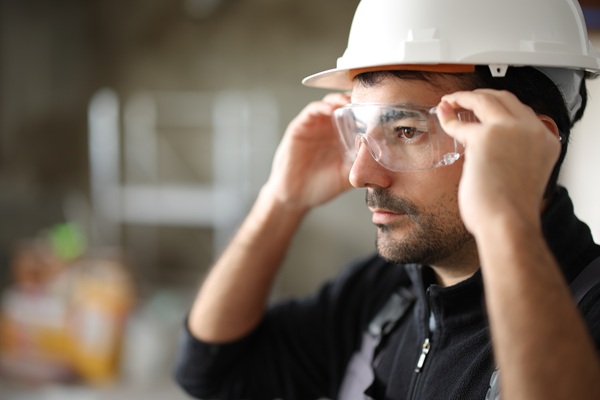
Safety glasses play a critical role in protecting vision across various environments, from construction sites and laboratories to sports fields and home workshops. Selecting the right safety glasses ensures effective eye protection without compromising comfort, visibility, or durability. Whether worn for occupational tasks, athletic activities, or everyday projects, proper safety eyewear helps prevent injuries and supports long-term eye health.
Why safety glasses matter
Eye injuries occur often, many of which are avoidable with the right protective gear. Safety glasses shield the eyes from hazards such as flying debris, chemical splashes, and UV exposure. While regular glasses may offer minimal coverage, they are not engineered to withstand the impact or conditions associated with hazardous environments.
Choosing the appropriate pair of safety glasses begins with understanding the risks present in each setting and matching them with the correct lens type, frame design, and certification level.
Safety glasses for the workplace
In industrial or laboratory settings, eye hazards vary depending on the nature of the work. Construction sites often involve exposure to dust, particles, or tools that may cause trauma. Chemical handling, on the other hand, requires protection against splashes and fumes.
When selecting safety glasses for work:
- Look for ANSI Z87.1 certification, which confirms that the glasses meet rigorous impact and safety standards
- Consider side shields or wraparound frames for added coverage
- Choose anti-fog or scratch-resistant lenses for environments with heat, moisture, or frequent wear
Tinted lenses or photochromic safety glasses may offer additional protection and visual clarity for jobs involving bright light or UV exposure.
Safety glasses for sports
Athletes and active individuals face different types of eye injury risks. Sports such as racquetball, basketball, baseball, or hockey can involve fast-moving objects and sudden impacts.
Optometrists recommend polycarbonate lenses for sports safety glasses due to their high impact resistance and lightweight properties. Proper fit is also essential to ensure the glasses remain secure during movement. Many models come with adjustable straps or rubberized nose pads to enhance comfort and stability.
Some sports safety glasses also offer built-in UV protection or interchangeable lenses for indoor and outdoor play. Prescription options are available for athletes who require vision correction without sacrificing protection.
Everyday use and home projects
Safety glasses are not only for professional or athletic use. Common household tasks such as yard work, woodworking, or cleaning with chemicals can pose risks to the eyes.
Lightweight and durable frames with clear, shatter-resistant lenses are usually sufficient for general use. Choosing a pair with adjustable arms or soft padding ensures a secure and comfortable fit during extended wear.
UV-blocking lenses are recommended for prolonged outdoor activity, especially for those working under the sun or engaging in DIY projects.
Prescription safety glasses
Individuals who wear corrective lenses should consider prescription safety glasses rather than layering standard safety glasses over regular frames. Prescription safety glasses are available in a variety of styles, including wraparound and sport-specific designs.
These glasses maintain clear vision while offering certified protection, reducing the risk of slippage or discomfort associated with doubling up on eyewear. Patients should work with an optometrist to ensure their prescription safety glasses meet industry standards and provide the correct visual correction.
Lens options and enhancements
Safety glasses can be customized with various lens enhancements based on environment and user preference. Some common options include:
- Anti-reflective coatings to reduce glare in bright settings
- Polarized lenses for high-glare environments like construction near water or metal
- Blue light filtering for digital eye strain in laboratory or tech-heavy environments
Each enhancement should be chosen based on the specific hazards or tasks associated with the intended use.
Making the right choice
The best safety glasses provide optimal protection, fit comfortably, and meet the safety standards required for the activity or environment. An optometrist can help assess visual needs, evaluate risk factors, and recommend appropriate safety eyewear solutions tailored to each individual.
Ensuring that safety glasses are worn consistently is equally important. Comfort, clarity, and confidence in the fit increase compliance and make it more likely that individuals will wear their protective eyewear when needed.
Protecting vision every day
Choosing the right safety glasses is a proactive step toward preserving vision in any setting. From high-impact work zones to recreational activities and daily home tasks, protective eyewear designed for the situation ensures the eyes remain safe and healthy. With guidance from an optometrist and a focus on certified, quality gear, individuals can approach each task with confidence in their eye protection. For more information or to schedule a consultation, call Texas Optical at (214) 771-7333.
To schedule a consultation, request an appointment on our website at https://www.texasoptical.net or call Texas Optical at (214) 771-7333 for an appointment in our Dallas office.
Check out what others are saying about our services on Yelp: Read our Yelp reviews.
Recent Posts
Have you noticed spots, threads, or cobweb-like shapes in your field of vision? A proactive approach to vision care right now is the most effective way to safeguard your long-term eye health and peace of mind. Floaters can be very irritating, but simple lifestyle choices and regular checkups make a massive difference. Here is what…
Glaucoma treatment can help protect vision, especially when started early. Glaucoma is a group of eye conditions that can damage the optic nerve, which carries visual information from the eye to the brain. Early glaucoma often develops without obvious symptoms; therefore, partnering with an optometrist through regular screenings can help detect changes before vision loss…
Protecting vision in hazardous environments requires the use of specialized safety glasses to prevent injuries from flying debris, chemicals, or intense light. We offer a range of protective eyewear to ensure patients in Dallas maintain clear, safe vision across various environments. Whether working on a construction site or engaging in home improvement projects, selecting the…
Progressive lenses make it possible to see clearly at multiple distances without switching between pairs of glasses throughout the day. These lenses combine distance, intermediate, and near vision correction into one smooth design. An optometrist may recommend them when a patient needs glasses for reading, computer work, and driving all at the same time. Learning…