What to Expect During Glaucoma Treatment Evaluation
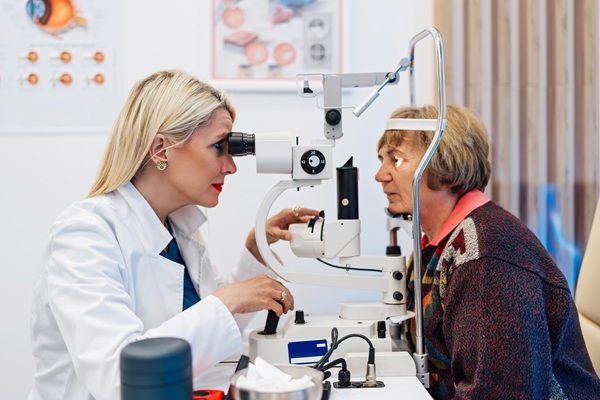
Glaucoma treatment begins with a detailed evaluation to understand the full health of the eyes. This visit plays a key role in diagnosing glaucoma early and creating a care plan to help prevent vision loss. Knowing what to expect can make the process easier and help patients feel more at ease.
Talking about medical history and symptoms
Every glaucoma treatment evaluation begins with a review of the patient's medical history. The optometrist will ask about family history, other health issues, and any current symptoms. While glaucoma often develops slowly and without pain, some patients may report blurry vision, halos, or trouble with side vision. These early signs can help guide the direction of the exam and testing process.
Understanding the full health background helps the provider decide which tests are most helpful. It also allows them to consider risk factors such as diabetes, age, or long-term use of steroid medications. These risks can make a person more likely to develop glaucoma, even if they do not show early symptoms.
Measuring intraocular pressure
One of the first steps in a glaucoma treatment evaluation is measuring intraocular pressure (IOP). The most common method is a painless puff-of-air test that helps determine IOP by assessing the eye's resistance to air. High pressure in the eye can damage the optic nerve, which carries messages from the eye to the brain. While high pressure does not always mean glaucoma, it is one of the strongest warning signs. Pressure testing is fast, simple, and key to catching glaucoma before it causes vision loss. The provider may suggest more frequent checks or advanced testing if the results are high.
Checking the optic nerve
The health of the optic nerve is a major focus of any glaucoma treatment plan. During the exam, the optometrist will use a special lens and bright light to view the back of the eye. They will look for signs of nerve damage, such as a hollowed or pale area around the optic nerve head.
In many cases, the provider may also take a digital photo of the optic nerve to track changes over time. Spotting changes early is important for slowing the progress of glaucoma and keeping vision strong. These images help build a clear picture of eye health and provide a baseline for future comparisons.
Visual field testing
Visual field testing helps check for vision loss that might go unnoticed in daily life. Glaucoma often affects side vision first, so this test maps out how well each part of the visual field works. The test usually involves pressing a button whenever a small light flashes in different parts of the screen. The results of this test show areas where the patient may not see as well, even if their central vision is clear. These blind spots or weak areas are signs that the optic nerve may already be under stress. Repeating the test at later visits helps the provider see if the condition is stable or changing.
Scanning the layers of the eye
Modern glaucoma evaluations often include Optical Coherence Tomography (OCT). This fast and painless scan takes cross-section images of the retina and optic nerve, helping the optometrist measure the thickness of nerve fibers. Thinning nerve layers can indicate early glaucoma, even before vision loss begins. By tracking these layers, providers can decide when to begin or adjust glaucoma treatment to protect the nerves from further harm.
Planning the next steps
After all the tests, the optometrist will discuss the results and outline the next steps. If there are any signs of glaucoma, treatment may include medicated eye drops to lower eye pressure, laser therapy, or a referral to a specialist. If the results show only a risk of glaucoma, the plan may include regular monitoring to catch any changes early.
Ongoing care is important because glaucoma can get worse without any pain or early symptoms. The goal of glaucoma treatment is to manage pressure and slow down damage, not to reverse it. That is why early diagnosis and regular follow-ups are key to long-term success.
How to prepare for your appointment
Patients can help make their glaucoma treatment evaluation go smoothly by arriving with a list of any current medications and past eye issues. It is also helpful to bring a pair of sunglasses since some tests may involve dilating the pupils, which can cause light sensitivity. Asking questions during the visit is a good way to understand the process and feel more confident about the next steps.
Staying ahead of glaucoma
Glaucoma treatment is most effective when started early. Regular evaluations, advanced testing, and proper care can help stop vision loss before it begins. Choosing to act now supports long-term eye health and helps protect future quality of life.
Request an appointment here: https://www.texasoptical.net or call Texas Optical at (214) 771-7333 for an appointment in our Dallas office.
Check out what others are saying about our services on Yelp: Read our Yelp reviews.
Recent Posts
Protecting vision in hazardous environments requires the use of specialized safety glasses to prevent injuries from flying debris, chemicals, or intense light. We offer a range of protective eyewear to ensure patients in Dallas maintain clear, safe vision across various environments. Whether working on a construction site or engaging in home improvement projects, selecting the…
Progressive lenses make it possible to see clearly at multiple distances without switching between pairs of glasses throughout the day. These lenses combine distance, intermediate, and near vision correction into one smooth design. An optometrist may recommend them when a patient needs glasses for reading, computer work, and driving all at the same time. Learning…
Seeking professional red eye treatment addresses the root cause of ocular irritation rather than merely masking symptoms with temporary, over-the-counter (OTC) solutions. While many people view a bloodshot appearance as a minor nuisance, redness in the eyes is often a primary signal of underlying health concerns. These issues range from simple environmental allergies to more…
Maintaining healthy eyes is an essential part of overall wellness. Therefore, scheduling regular optometry visits is an important step toward preserving clear, comfortable vision. These appointments do far more than determine whether a person needs glasses or contact lenses. They help assess both visual performance and the health of the internal and external eye structures.…