The Importance of Regular Contact Lens Exams for Optimal Vision
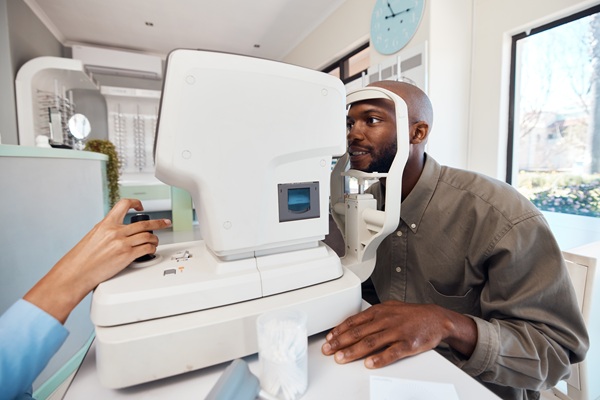
Contact lens exams are fundamental to maintaining clear vision and promoting overall eye health. Many individuals rely on contact lenses for daily activities, sports, and social events, yet consistent monitoring of lens fit and eye condition often receives less attention than it deserves. An optometrist specializing in evaluating the cornea, tear film, and general ocular health plays a vital role in ensuring the contact lenses selected remain effective and comfortable.
Understanding the value of routine contact lens exams
A contact lens exam extends beyond the typical vision test by focusing specifically on how lenses interact with the eye's surface. This evaluation involves measuring corneal curvature, tear film quality, and overall ocular health. The optometrist checks for signs of dryness, irritation, or infections that may arise when foreign objects cover the cornea for multiple hours each day. These tests help determine whether a specific lens material or design suits an individual's lifestyle and comfort requirements.
In many cases, additional diagnostic tools assist in gathering precise information. Instruments such as keratometers and corneal topographers may reveal the surface of the eye, revealing any irregularities or astigmatism. Tear film analysis evaluates how effectively the eyes produce and maintain moisture, which significantly affects lens comfort. By taking these measurements, the optometrist can recommend lens materials that ensure sufficient oxygen permeability and reduce the risk of dryness or inflammation.
Common issues identified during a contact lens exam
One key advantage of regular contact lens exams is the early detection of problems. Even slight changes in tear production or corneal shape may lead to discomfort or more serious complications. Issues such as giant papillary conjunctivitis (GPC) can emerge when protein deposits accumulate on the lens surface, causing irritation and redness. Undiagnosed refractive changes contribute to blurred vision, while poor lens hygiene or ill-fitting lenses may lead to infections and corneal abrasions.
Identifying subtle shifts at an early stage prevents more extensive damage and helps preserve long-term comfort. The optometrist's ability to spot warning signs allows for timely adjustments, ensuring the lenses chosen continue to provide the necessary visual correction without jeopardizing ocular health. Ignoring these indicators for too long may result in conditions that compromise not only lens tolerance but also the future of wearing contact lenses at all.
The role of proper lens fitting and education
In addition to diagnosing underlying problems, the optometrist plays a significant role in educating patients about correct lens care. Techniques for lens handling, cleaning, and replacement schedules directly influence comfort and safety. Many complications stem from inadequate hygiene, such as using expired solutions or wearing lenses past their intended life span. A thorough contact lens exam includes guidance on selecting appropriate cleaning products and setting reminders to replace lenses on time.
A properly fitted lens remains central to preventing discomfort. Lenses that fit too tightly restrict tear flow beneath the surface, while loose-fitting options may cause discomfort and inconsistent vision. Regular exams ensure that any changes in the eye, such as shifts in corneal curvature or tear film consistency, do not lead to suboptimal lens performance. By customizing these fits to each individual's needs, optometrists increase the likelihood of positive outcomes and sustained vision quality.
Frequency of exams and follow-up visits
Many optometrists suggest at least one comprehensive contact lens exam every year, although some individuals may require more frequent assessments. Factors such as pre-existing conditions, persistent dryness, or the use of specialized lenses (like toric or multifocal designs) can dictate the need for more regular follow-up. An annual schedule allows early identification of progressive issues and ensures that lens prescriptions reflect the most up-to-date refractive status.
Between formal appointments, individuals benefit from monitoring comfort and vision quality and reporting any unusual symptoms such as redness, persistent dryness, or reduced clarity. If problems arise, scheduling an interim visit helps avoid further complications. This proactive approach fosters open communication with the optometrist, creating a framework for shared decision-making and individualized treatment plans.
Schedule a contact lens exam
A well-conducted contact lens exam represents a key investment in long-term vision and ocular comfort. Coupled with educational guidance and maintenance, regular exams empower individuals to enjoy consistent, clear eyesight. If you are interested in receiving contact lenses or it has been a while since your last contact lens exam, contact Texas Optical. Our optometrist can determine the correct contact lens for each eye and ensure your ocular care is in good standing.
Request an appointment here: https://www.texasoptical.net or call Texas Optical at (214) 771-7333 for an appointment in our Dallas office.
Check out what others are saying about our services on Yelp: Read our Yelp reviews.
Recent Posts
Protecting vision in hazardous environments requires the use of specialized safety glasses to prevent injuries from flying debris, chemicals, or intense light. We offer a range of protective eyewear to ensure patients in Dallas maintain clear, safe vision across various environments. Whether working on a construction site or engaging in home improvement projects, selecting the…
Progressive lenses make it possible to see clearly at multiple distances without switching between pairs of glasses throughout the day. These lenses combine distance, intermediate, and near vision correction into one smooth design. An optometrist may recommend them when a patient needs glasses for reading, computer work, and driving all at the same time. Learning…
Seeking professional red eye treatment addresses the root cause of ocular irritation rather than merely masking symptoms with temporary, over-the-counter (OTC) solutions. While many people view a bloodshot appearance as a minor nuisance, redness in the eyes is often a primary signal of underlying health concerns. These issues range from simple environmental allergies to more…
Maintaining healthy eyes is an essential part of overall wellness. Therefore, scheduling regular optometry visits is an important step toward preserving clear, comfortable vision. These appointments do far more than determine whether a person needs glasses or contact lenses. They help assess both visual performance and the health of the internal and external eye structures.…