How Transition Lenses Adapt To Light for Ultimate Eye Comfort
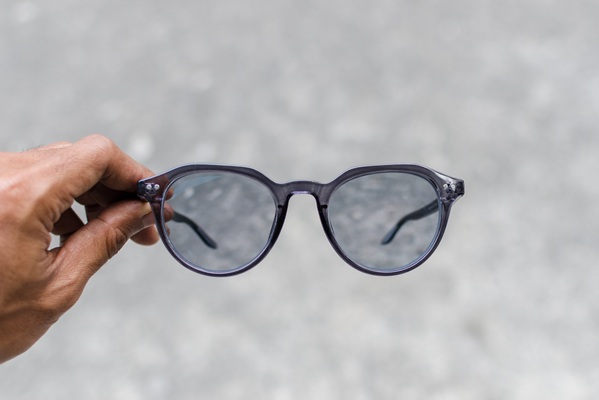
Transition lenses offer a seamless solution for patients seeking comfort, convenience, and protection from varying light conditions. These advanced lenses automatically adjust to changes in brightness, ensuring optimal vision indoors and outdoors. By darkening when exposed to sunlight and returning to a clear state in dimmer environments, transition lenses eliminate the need for separate prescription sunglasses. Optometrists frequently recommend these lenses for those who are seeking a balance of protection and visual clarity without having to constantly switch from regular glasses to sunglasses and back again.
Transition lenses: A smart solution for vision care
Traditional prescription glasses offer clear vision but fall short when faced with glare, bright sunlight, or harmful ultraviolet (UV) rays. Transition lenses address these challenges by adapting to changing light conditions, reducing eye strain, and enhancing patient comfort. Therefore, these lenses serve as an all-in-one eyewear solution inside and out.
Optometrists frequently recommend transition lenses for patients with light sensitivity, those exposed to prolonged outdoor conditions, or anyone seeking an effortless way to protect their eyes. Their ability to automatically adjust ensures consistent vision quality while offering continuous UV protection for long-term eye health.
Why get transition lenses?
Transition lenses offer a range of benefits that improve vision and eye health. One of their key advantages is reducing eye strain. Moving between bright and dim environments can cause discomfort, squinting, and fatigue. Transition lenses automatically adjust to changes in lighting, ensuring a more comfortable viewing experience. Additionally, they help manage glare, which can impair vision and make outdoor activities challenging. Since these lenses darken in response to brightness, they enhance contrast and clarity so the patient can see better in changing conditions.
Another significant benefit of transition lenses is their built-in UV protection. Prolonged exposure to UV rays not only strains the eyes but also increases the risk of serious eye conditions, such as cataracts and macular degeneration. Transition lenses block 100% of UVA and UVB rays, providing essential protection against long-term damage.
Beyond functionality, transition lenses also offer convenience and style. Managing multiple pairs of glasses, such as prescription lenses and sunglasses, can be cumbersome and costly. Transition lenses serve as an all-in-one solution, adapting to different lighting conditions without requiring a separate pair of prescription sunglasses. Additionally, modern transition lenses are available in various tints and shades, so a patient can choose a pair that matches their personal style and preferences. This combination of practicality and aesthetic appeal makes them a smart and fashionable choice for everyday eyewear.
The technology behind transition lenses
Transition lenses rely on photochromic technology, which enables them to adjust to light conditions dynamically. These lenses contain molecules that react to UV exposure, darkening when exposed to sunlight and returning to a clear state indoors or in shaded areas.
When ultraviolet light interacts with the lens material, a chemical reaction occurs, causing the molecules to change the structure. This reaction alters the lens' transparency, allowing it to shift between clear and tinted states. The transition process is nearly instantaneous to ensure that vision remains consistent regardless of environmental changes.
Factors influencing the speed and efficiency of transition lenses include temperature, UV exposure, and lens composition. Warmer climates may slightly affect the darkening process, as higher temperatures can slow molecular reactions. However, modern advancements have enhanced responsiveness, ensuring that these lenses perform efficiently across various conditions.
Choosing the right transition lenses for your needs
Selecting the appropriate transition lenses depends on a patient’s individual lifestyle needs, frame compatibility, and aesthetic preferences. Here are some factors to consider when choosing transition lenses:
- Different tints. Transition lenses come in a range of colors, each providing distinct advantages, such as enhanced contrast, improved color perception, or reduced glare.
- Compatibility with lens prescriptions. Transition lenses can be customized for single-vision, bifocal, and progressive prescriptions to meet various vision needs.
- Lens coatings and enhancements. Anti-reflective coatings, scratch resistance, and water-repellent features further improve performance and durability.
Discussing specific requirements with an optometrist helps in selecting the best transition lenses for everyday use.
Discover the convenience of transition lenses
Transition lenses offer a blend of protection, comfort, and practicality, making them a valuable investment in eye health. Their ability to adapt seamlessly to different light conditions reduces strain, enhances visual clarity, and eliminates the need for carrying multiple pairs of glasses. With modern advancements improving durability and customization options, these lenses provide an efficient solution for patients seeking optimal vision in all environments. Consult an optometrist at Texas Optical to experience the benefits of transition lenses firsthand.
Request an appointment here: https://www.texasoptical.net or call Texas Optical at (214) 771-7333 for an appointment in our Dallas office.
Check out what others are saying about our services on Yelp: Read our Yelp reviews.
Recent Posts
Protecting vision in hazardous environments requires the use of specialized safety glasses to prevent injuries from flying debris, chemicals, or intense light. We offer a range of protective eyewear to ensure patients in Dallas maintain clear, safe vision across various environments. Whether working on a construction site or engaging in home improvement projects, selecting the…
Progressive lenses make it possible to see clearly at multiple distances without switching between pairs of glasses throughout the day. These lenses combine distance, intermediate, and near vision correction into one smooth design. An optometrist may recommend them when a patient needs glasses for reading, computer work, and driving all at the same time. Learning…
Seeking professional red eye treatment addresses the root cause of ocular irritation rather than merely masking symptoms with temporary, over-the-counter (OTC) solutions. While many people view a bloodshot appearance as a minor nuisance, redness in the eyes is often a primary signal of underlying health concerns. These issues range from simple environmental allergies to more…
Maintaining healthy eyes is an essential part of overall wellness. Therefore, scheduling regular optometry visits is an important step toward preserving clear, comfortable vision. These appointments do far more than determine whether a person needs glasses or contact lenses. They help assess both visual performance and the health of the internal and external eye structures.…