5 Reasons You May Need Cataract Treatment
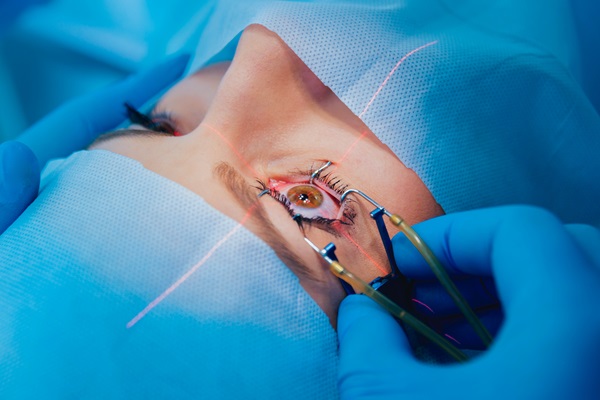
Cataract treatment from an optometrist can preserve or even enhance visual clarity. Although cataracts are most common in patients over age 40, they can affect those of all ages. It is important to be able to recognize the signs of this common condition and when certain treatments may be needed. Early diagnosis and cataract treatment can greatly improve vision and prevent further complications.
What are cataracts, and how are they treated?
Cataracts are a condition in which the eye's lens becomes clouded, thereby blurring or obstructing vision. They develop progressively due to the breakdown of proteins in the lens. This breakdown typically occurs with age but can also result from other factors like sun exposure, tobacco use, injury, or genetics.
The only way to truly eliminate cataracts is to surgically remove the clouded lens and replace it with an artificial lens. An optometrist can recommend minimally invasive surgical methods such as phacoemulsification, which involves making a small incision in the eye and using an ultrasonic probe to break up and remove the cataract. Post-surgery, patients can expect to resume their normal activities within a few days, and many notice a significant improvement in their vision almost immediately.
Other cataract treatments focus on slowing the progression of the condition. For example, getting new prescription glasses can be particularly helpful for early-stage cataracts. An optometrist can also recommend lifestyle changes as a form of treatment, such as using brighter lights at work, wearing anti-glare lenses, or using reading glasses.
Five reasons patients need cataract treatment
An optometrist can recommend a cataract treatment based on the patient's medical history and symptoms. Here are common reasons to consider treatment:
1. Blurry or clouded vision
One of the most noticeable symptoms of cataracts is a gradual decline in vision clarity. As cataracts develop, the natural lens becomes more opaque, making it difficult to see fine details. This clouding of vision can interfere with daily activities such as reading and driving, and it can also make it harder to recognize faces.
Note that vision changes may be subtle initially, with some patients attributing them to aging or needing new glasses. However, as cataracts progress, this cloudiness becomes more prominent and disruptive. It can make once-routine tasks, such as reading street signs or working on a computer, challenging. Fortunately, early cataract treatment can prevent a significant decline in vision and quality of life.
2. Glare and light sensitivity
Another common symptom associated with cataracts is increased sensitivity to light. Bright lights, especially sunlight or car headlights at night, may cause discomfort or excessive glare. (Patients often describe seeing a halo effect or starbursts around lights.) This heightened sensitivity can make it challenging to be outside during daylight hours or to drive safely at night. Cataract treatment can help reduce this sensitivity, as well as avoid eye irritation and dryness from discomfort.
3. Night vision problems
Cataracts can make it difficult to see at night and in other low-light conditions. Cataract patients often experience difficulty driving after dark or navigating poorly lit areas. This occurs because the clouded lens scatters light entering the eye, reducing visual sharpness and contrast.
Cataract surgery can restore night vision by removing the clouded part of the lens. Other cataract treatments — such as a new prescription and anti-glare lenses — can also enhance vision in dark or dim settings, helping to preserve night vision.
4. Faded or altered color perception
As cataracts progress, they can cause colors to appear dull, muted, or yellowed. A clouded lens filters light differently, which alters color perception. The vibrant colors that once appeared sharp and distinct may now seem muted. Cataract surgery can restore accurate color vision, allowing for a more vivid and true-to-life visual experience.
5. Frequent prescription changes
Patients with cataracts may find themselves needing frequent changes to their prescription glasses or contact lenses. This is because cataracts alter the eye's ability to focus, causing more frequent changes in vision. For reference, most patients need to update their prescriptions every one to three years. If prescription adjustments are needed more frequently than this, it could be a sign that cataracts are progressing. The good news is that cataract treatment can slow their progression, eliminating the need for constant prescription updates.
Consult an optometrist about cataracts
Detecting and treating cataracts early helps patients preserve as much of their vision as possible. To learn more about cataract treatment, speak to an optometrist at Texas Optical. Contact our office to set up an appointment today.
Request an appointment here: https://www.texasoptical.net or call Texas Optical at (214) 771-7333 for an appointment in our Dallas office.
Check out what others are saying about our services on Yelp: Read our Yelp reviews.
Recent Posts
Protecting vision in hazardous environments requires the use of specialized safety glasses to prevent injuries from flying debris, chemicals, or intense light. We offer a range of protective eyewear to ensure patients in Dallas maintain clear, safe vision across various environments. Whether working on a construction site or engaging in home improvement projects, selecting the…
Progressive lenses make it possible to see clearly at multiple distances without switching between pairs of glasses throughout the day. These lenses combine distance, intermediate, and near vision correction into one smooth design. An optometrist may recommend them when a patient needs glasses for reading, computer work, and driving all at the same time. Learning…
Seeking professional red eye treatment addresses the root cause of ocular irritation rather than merely masking symptoms with temporary, over-the-counter (OTC) solutions. While many people view a bloodshot appearance as a minor nuisance, redness in the eyes is often a primary signal of underlying health concerns. These issues range from simple environmental allergies to more…
Maintaining healthy eyes is an essential part of overall wellness. Therefore, scheduling regular optometry visits is an important step toward preserving clear, comfortable vision. These appointments do far more than determine whether a person needs glasses or contact lenses. They help assess both visual performance and the health of the internal and external eye structures.…