Important Eye Care from an Optometrist
Many individuals prioritize maintaining excellent physical health, yet they tend to overlook the need for proper eye care. They go to the doctor, but not to the optometrist. This is a problem since your vision is one of your most vital senses; people experience around 80 percent of the world through their sense of sight. As a result, seeing an eye doctor at least once a year is critical for excellent eye care.
Everyone needs to know about the importance of a yearly checkup with your eye doctor. In this post, you will learn why it is vital to make an annual appointment and what to anticipate.
How optometrists care for the eye
An optometrist or eye doctor is responsible for the health and well-being of the eyes. Like any other medical practitioner, optometrists advise patients to get a yearly eye care checkup at the very least.
Eye screening
A patient's vision is one of the most important things that an eye doctor examines during a yearly appointment. Many people's eyes change over time; therefore, regular vision examinations are necessary. It is possible to receive improved glasses or contacts for clearer vision by undergoing a screening. Eyesight tests are critical since many individuals do not know when their vision has changed and needs to be screened. Detecting even the tiniest shift might be vital.
Preventative measures
A trip to the optometrist is a wise preventative measure. Detecting eye disorders in their earliest stages is a huge benefit of having your eyes examined by a professional. Preventing eyesight loss is possible if the issue is caught early enough. Glaucoma, cataracts, and macular degeneration are just a few of the various eye ailments that may affect people.
Due to their lack of obvious signs and symptoms, many of these conditions need the assistance of a medical specialist for a proper diagnosis. Most visual disorders may be prevented or even cured if they are caught early enough and given the correct treatment.
Good vision is essential to everyday life. To live a normal life, vision is a fundamental need. For those who wear glasses, their daily routine will be quite different from those who do not. Sports, roller coaster rides, and wearing sunglasses are more difficult with eye wear. Since wearing glasses has a number of downsides, individuals should have their eyes tested to diagnose and treat common eye problems before they grow worse.
What to expect during an eye exam
The Snellen eye chart is used to measure a person's visual acuity during an eye exam, although the purpose of an eye exam is far broader than that. In addition, a number of eye tests are performed by the optometrist to determine the overall health of the eyes.
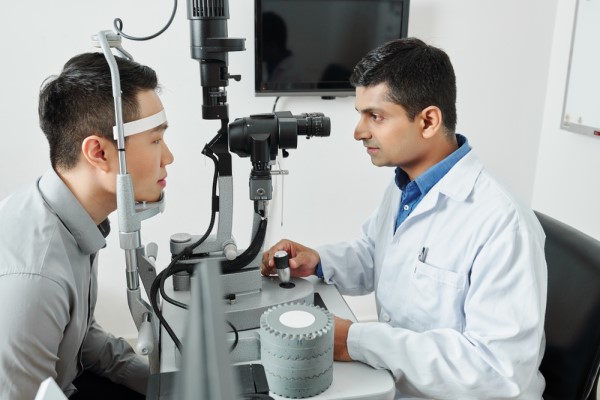
For example, the doctor may inspect the eyes in great detail using a slit lamp exam. The slit lamp acts as a magnifying microscope, allowing the eye doctor to see pictures of the eyes at a much higher magnification. Eyelids, conjunctiva, and the iris, as well as the retina and optic nerve, are examined by the doctor during a comprehensive eye exam.
The exam also includes tonometry or obtaining a pressure measurement of eye fluids. Glaucoma risk may be assessed using this information. If the test shows excessive eye pressure, the doctor will conduct further tests to look for glaucoma symptoms.
The frequency of eye screening
Every adult should undergo a thorough eye checkup every year. It is important to have an eye checkup every six to 12 months beyond the age of 65 because of the increased risk of eye illnesses, including cataracts and AMD.
Parents should have their children's eyes tested at the ages of six months, three years, and five years. Schedule an eye test for them every two years if they have healthy eyes and flawless eyesight. Younger children are increasingly being diagnosed with myopia (nearsightedness), which has the potential to hinder their academic progress and put them at greater risk for long-term eye health issues. It is possible to save a patient's eyesight if the conditions are discovered and treated early.
In conclusion
If you are concerned about your eye health, you should get a comprehensive eye checkup every year. An optometrist conducts thorough eye examinations to safeguard your vision and general health. Seeing an eye doctor may be a lifesaver when it comes to avoiding, intervening in, and treating vision problems. Optometrists are able to diagnose and treat eye disorders that do not show any obvious signs so that your eyes may remain healthy.
Request an appointment here: https://www.texasoptical.net or call Texas Optical at (214) 771-7333 for an appointment in our Dallas office.
Check out what others are saying about our services on Yelp: Read our Yelp reviews.
Recent Posts
Protecting vision in hazardous environments requires the use of specialized safety glasses to prevent injuries from flying debris, chemicals, or intense light. We offer a range of protective eyewear to ensure patients in Dallas maintain clear, safe vision across various environments. Whether working on a construction site or engaging in home improvement projects, selecting the…
Progressive lenses make it possible to see clearly at multiple distances without switching between pairs of glasses throughout the day. These lenses combine distance, intermediate, and near vision correction into one smooth design. An optometrist may recommend them when a patient needs glasses for reading, computer work, and driving all at the same time. Learning…
Seeking professional red eye treatment addresses the root cause of ocular irritation rather than merely masking symptoms with temporary, over-the-counter (OTC) solutions. While many people view a bloodshot appearance as a minor nuisance, redness in the eyes is often a primary signal of underlying health concerns. These issues range from simple environmental allergies to more…
Maintaining healthy eyes is an essential part of overall wellness. Therefore, scheduling regular optometry visits is an important step toward preserving clear, comfortable vision. These appointments do far more than determine whether a person needs glasses or contact lenses. They help assess both visual performance and the health of the internal and external eye structures.…