Can an Eye Doctor Detect Diabetes?
Eye doctors are very skilled at what they do. Although they primarily work on the eyes, they are able to help detect conditions that not only put the eyes at risk but affect the whole body. Diabetes is hard to diagnose because it typically affects the internal organs of the body, as opposed to producing physical external symptoms. However, the eyes are one indicator that patients can rely on when it comes to diagnosing diabetes.
Regardless of concerns about diabetes, everyone should still regularly visit an eye doctor. Annual exams allow eye doctors to help patients maintain good eye health, while also ensuring that there are no abnormalities present, such as diabetes. Want to know more about eye doctors detecting diabetes? This article discusses the details.
Can an eye doctor detect diabetes?
Below, we discuss whether or not an eye doctor can detect diabetes. We also outline how the detection process works. Keep reading to find out more.
Eye doctors and diabetes
A lot of people may be surprised to learn that eye doctors can indeed detect diabetes. While most people visit their primary care physician for a diagnosis, a lot of cases are actually detected by an eye doctor.
How is it detected?
When a patient is suffering from diabetes, an eye doctor may be able to detect it by looking at the capillaries in the retina of the eye. The capillaries may leak blood or a fluid that is yellow in color. Oftentimes, only an eye doctor is able to notice these small abnormalities within the eyes. The symptoms associated with diabetes are not all that noticeable to the average person.
The detection process
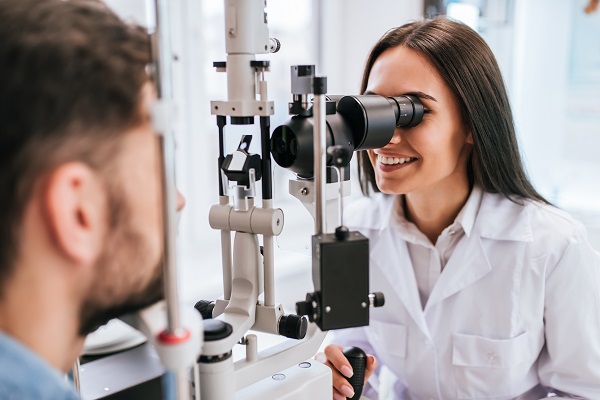
During an annual examination with an eye doctor, patients can expect to have their eyes looked at very closely. Certain machines may be used to allow the eye doctor a better look at the structure of the eyes. Both the blood vessels and optic nerves will be closely looked at to determine whether any noticeable conditions are present.
If there are indicators that diabetes or any other type of condition is present, the eye doctor will likely run additional tests to confirm their theory. Once the patient is informed of the condition, they will be referred back to their primary care physician. However, the care for the eyes will be treated within the optometry office. When the eyes leak blood or other fluids, the eye doctor may have to go in and repair the damage.
Get started with an eye doctor today!
Visiting an eye doctor on an annual basis will help ensure that things like diabetes are detected early on. If you have questions or concerns about detecting diabetes then reach out to our team today so that we can help you. Our trained eye doctors can provide you with additional information as well as check your eyes. Give us a call or stop by our office today.
Request an appointment here: https://www.texasoptical.net or call Texas Optical at (214) 771-7333 for an appointment in our Dallas office.
Check out what others are saying about our services on Yelp: Read our Yelp reviews.
Recent Posts
Emergency eye care helps protect vision when sudden symptoms, injuries, or infections require prompt evaluation from an eye care professional. Some eye problems may seem minor at first, but changes in vision, pain, swelling, or trauma can indicate conditions that require same-day attention. Knowing when to seek urgent help can help you receive the immediate…
Have you noticed spots, threads, or cobweb-like shapes in your field of vision? A proactive approach to vision care right now is the most effective way to safeguard your long-term eye health and peace of mind. Floaters can be very irritating, but simple lifestyle choices and regular checkups make a massive difference. Here is what…
Glaucoma treatment can help protect vision, especially when started early. Glaucoma is a group of eye conditions that can damage the optic nerve, which carries visual information from the eye to the brain. Early glaucoma often develops without obvious symptoms; therefore, partnering with an optometrist through regular screenings can help detect changes before vision loss…
Protecting vision in hazardous environments requires the use of specialized safety glasses to prevent injuries from flying debris, chemicals, or intense light. We offer a range of protective eyewear to ensure patients in Dallas maintain clear, safe vision across various environments. Whether working on a construction site or engaging in home improvement projects, selecting the…